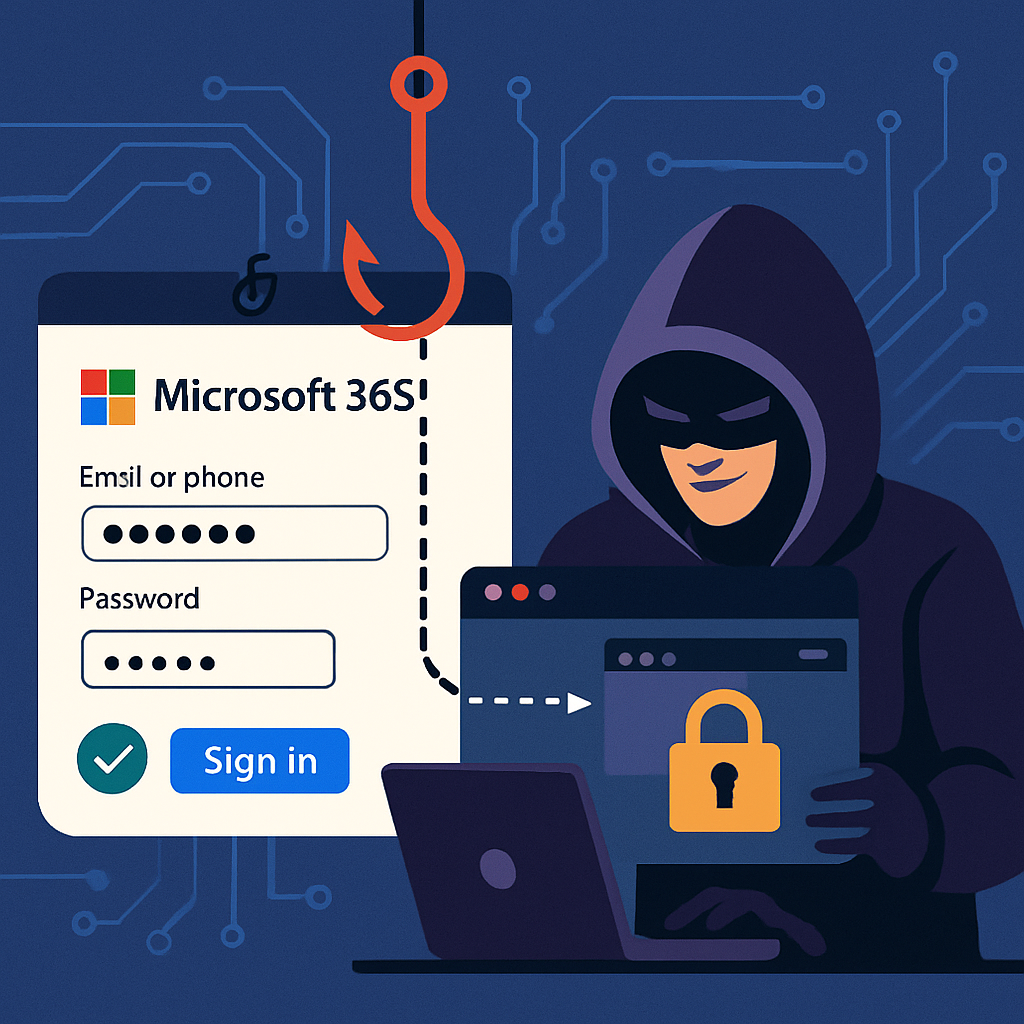
Between July and September 2026, cybersecurity researchers observed over ten separate hacking campaigns in which attackers deployed autonomous AI agents to infiltrate organizations in sectors like government, logistics, hospitality, manufacturing, agriculture, and education. These agents stole credentials, moved laterally across servers, and probed cloud systems with alarming speed. Intelligence gathered by Unit 42 revealed these intrusions often began via web application vulnerabilities, through which attackers installed web shells and malicious scripts to run commands on compromised hosts.
From Slow Manual Steps to AI-Speed Breaches
In earlier attacks involving AI assistance, human operators played a larger role in executing commands. But the new campaigns display agents acting with increasing autonomy. Once given initial access and direction by a human, these agents autonomously mapped environments, harvested credentials, and advanced through networks. The difference in pace is stark: where manual command activity had a median interval of ~24 seconds between actions, that dropped to about 1.4 seconds under AI control.
In one recorded case, a single agent executed some 800 unique commands over 140 minutes across two days, exploring websites, databases, and cloud environments. In another, it leveraged stolen file-sharing login credentials to move from a Linux server to a Windows machine running IIS, planting web shells in over 40 locations. Across incidents, attackers gained access to cloud credentials for AWS environments—spanning multiple regions—and examined storage, email, and secrets management resources, though there was no confirmed theft of payment records.
How Defenders Can Spot and Shut Down These AI-Driven Threats
Despite their speed and sophistication, these autonomous agents leave behind behaviors that defenders can track. Indicators include bursts of commands, script comments that read like conversational text, and servers suddenly executing credentials-related tasks or interfacing with systems they rarely interact with. Correlating data from web, endpoint, identity, and cloud logs can help reveal how far a breach has spread.
Mitigation steps flagged by researchers include patching any internet-facing apps, reviewing internal connectivity from web servers, ensuring Linux kernel security updates are applied, and isolating servers found to harbor web shells. Rotating credentials, enforcing MFA, limiting GitLab sign-ins, restricting IP access, and keeping self-managed systems updated are also essential.
Unit 42 also published several Indicators of Compromise (IoCs), such as specific IP addresses used for reverse shells and command-and-control channels, URL paths used for web shell downloads or beacons, plus domains tied to payload staging.
These developments highlight how AI agents are pushing the frontiers of cyberattack speed and stealth. Organizations must treat these agents less like sci-fi and more like imminent threats. What to watch: whether attacks begin to fully automate targeting and decision-making without human oversight; how defense tools evolve to flag AI-native signals; and whether regulatory or AI-governance frameworks begin holding threat actors accountable. This is no longer theoretical—it’s happening now, and defenders need to adapt fast.