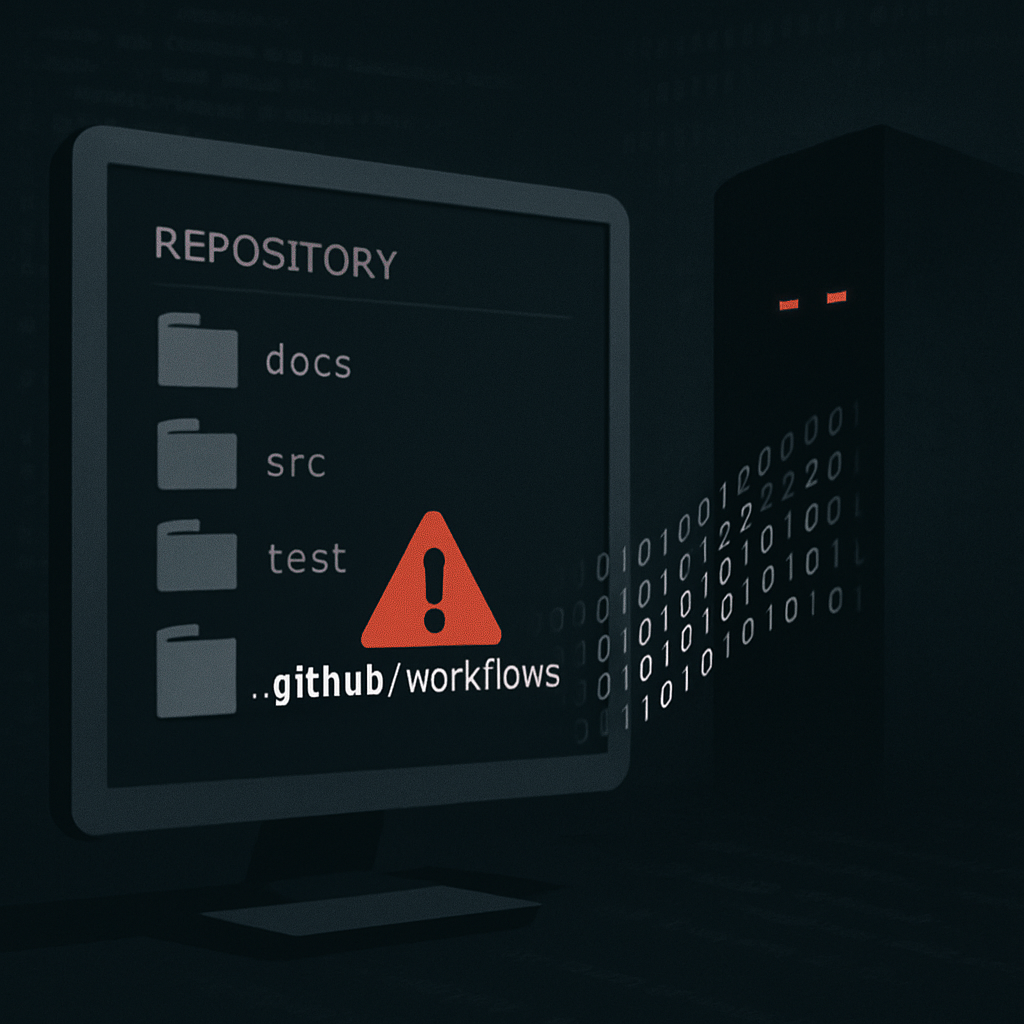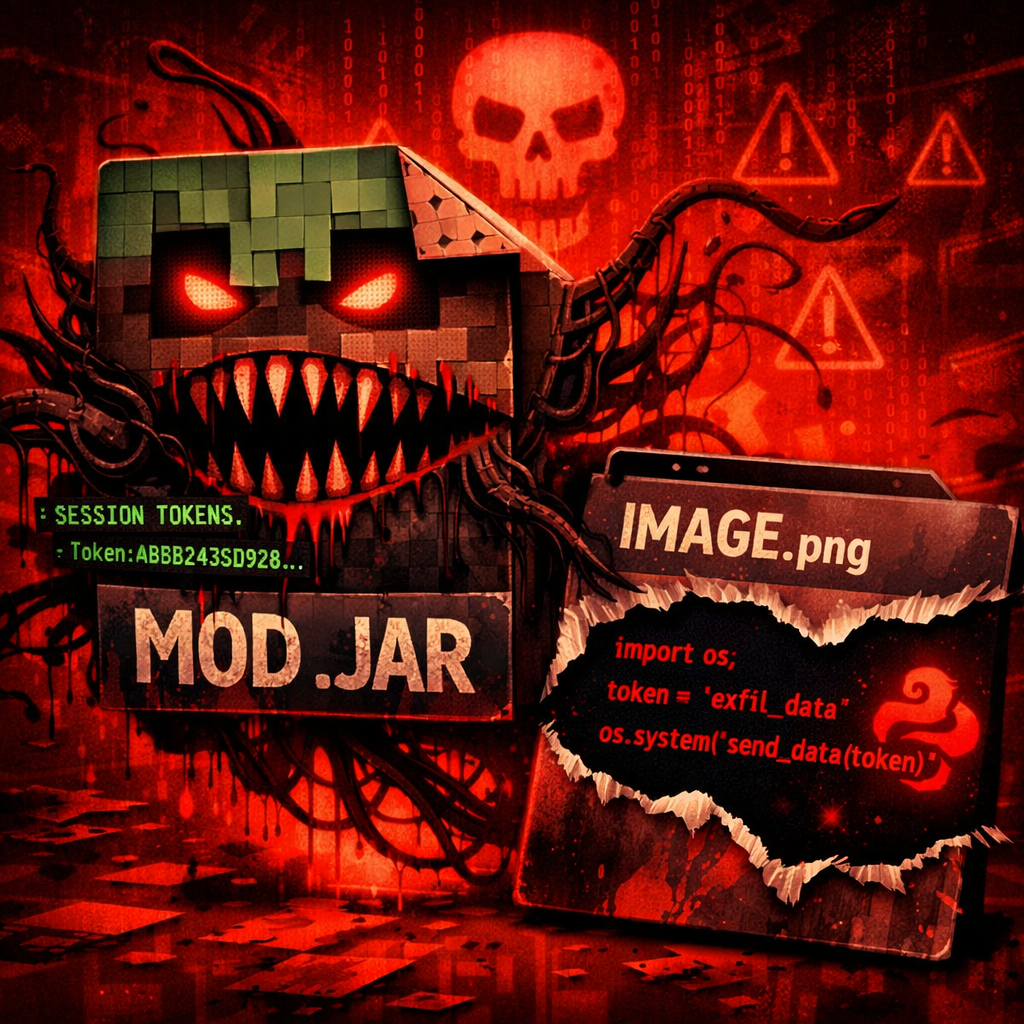
Gamers beware: a counterfeit Minecraft mod named Farmutils-Loader.jar has been discovered harvesting players’ active session tokens and deploying a Python-based infostealer on Windows machines. Disguised as a legitimate Fabric mod library, this threat operates stealthily—infecting systems both when Minecraft is launched and even if users merely double-click the JAR file. Compromised tokens allow attackers to impersonate players using Minecraft services until the credentials expire, generally after about 24 hours.
How It Works
The mod masquerades under the Fabric mod loader umbrella, complete with typical build metadata to lull users into trusting it. Upon execution—whether via Fabric during gameplay or directly by user action—it searches Minecraft’s memory for active session credentials. Extracted details include username, unique account identifier, and the session access token. Though not a password, this token grants full Minecraft service access until its natural expiration.
After harvesting user data, the malware reaches out to a command-and-control (C2) server. This server’s address is determined via a smart contract on the Polygon blockchain—an evasion technique known as EtherHiding. If the contract fails to return a valid server, a fallback domain embedded within the mod serves instead. The payload delivered appears as a seemingly harmless PNG image, but inside it is a bundled Python interpreter and malicious script. These are unpacked and executed without requiring Python to be installed, all while gathering system and runtime logs.
Scope & Indicators
Research by SonicWall’s Capture Labs shows that the malware belongs to the SilentNet family, which has spread since early 2026. Analysts identified over 1,200 samples across this malware strain, though not all relate directly to Farmutils-Loader.jar. The deceptive mod includes odd Java class names, obfuscated text, and falsified build information so that superficial inspection might not raise red flags.
Important indicators include the JAR artifact named Farmutils-Loader.jar; a Polygon smart contract address 0x9c0a507300fd902787bb193d80fca5ce6e1bff9a; suspicious C2 endpoints like /shard/prefireMc and /cdn/v2/9f4e7a2c1b8d.png; and files commonly dropped such as python.exe, AppHost/main.py, and log files like _stealer.log. These serve as red flags for detection.
What to Do
For users who have run the mod, simply quitting Minecraft or deleting the JAR might not be enough. If the second-stage components have already been unpacked, the threat persists. Recommended steps include disconnecting the Windows device, scanning with reputable antivirus tools, and reviewing account activity from a clean device.
To prevent future infections, opt for mods from official project pages or well-known mod platforms. Always verify the publisher and avoid trusting filenames alone—even if they mimic well-known libraries.
Why this matters: Attackers using gamified content as malware delivery is nothing new, but the inclusion of blockchain-based C2 lookup, automatic payload unpacking without dependencies, and session token theft mark significant escalation. As user demand for customization continues, trust in mod ecosystems is increasingly under attack. Watch for developments in how SilentNet evolves, especially whether the second-stage infostealer reuses these same tactics elsewhere, and whether platform stakeholders take action to vet or block dangerous mods.