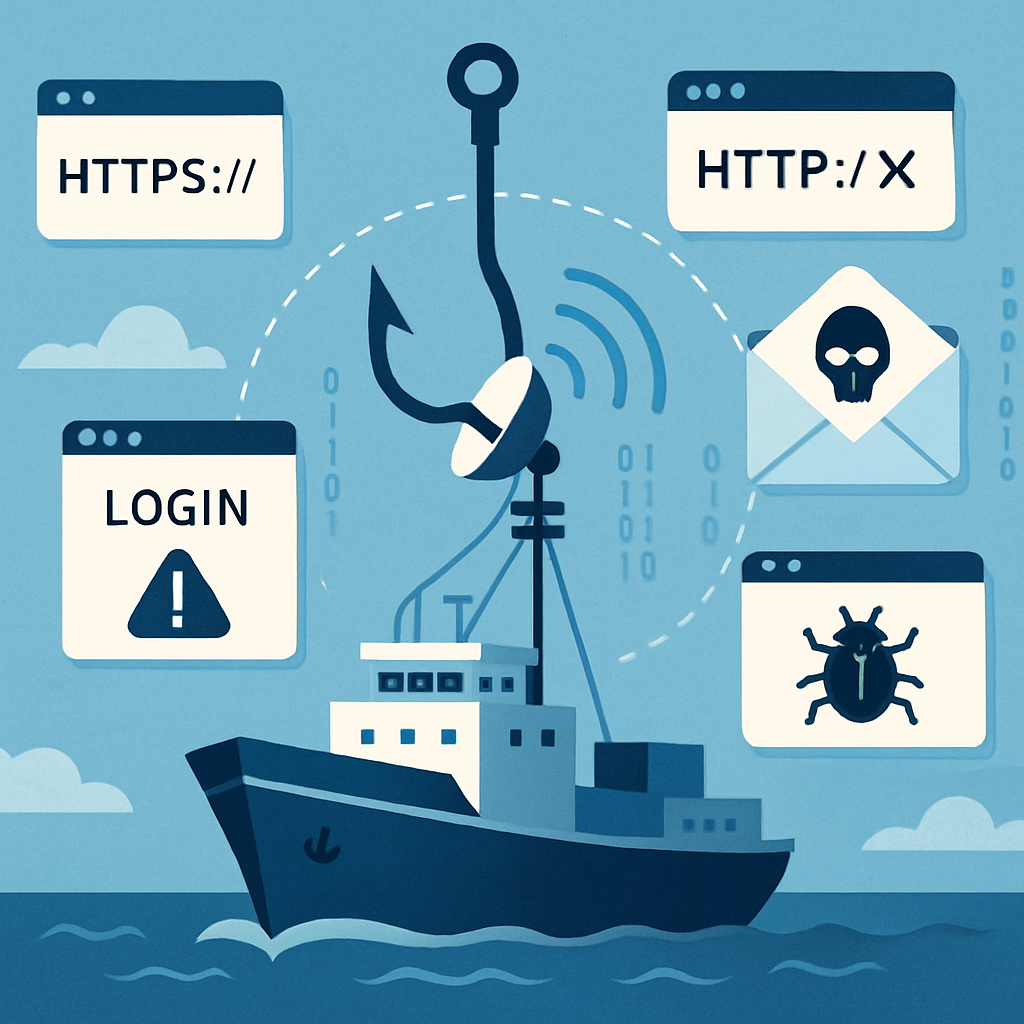
In recent weeks, as many as 50 oil, liquefied-gas, and chemical shipping tankers have reportedly had their navigation systems compromised while sailing through waters in Asia and Europe. U.S. agencies believe Iranian-affiliated hackers may be behind the uptick in breaches. The intrusions also reached vessels heading toward the United States this past August, prompting FBI and Coast Guard teams to board affected ships to address the disruptions.
Attack Method and Motive
Investigators say the attackers may be exploiting a vulnerability known as FortiBleed—a bug in Fortinet routers that grants unauthorized network access. Earlier this year, a joint alert from the FBI and U.S. Coast Guard warned that many maritime vessels depend on Fortinet equipment for critical routing functions.
The suspected campaign appears to serve multiple possible objectives: instilling fear among global shippers, destabilizing supply chain routes, or even triggering dangerous incidents in port areas by interfering with automated navigation systems. Ships typically have manual or backup controls to regain navigation if such systems are compromised, but the breaches still raise serious safety concerns.
Context: Iran’s Expanding Cyber Activity
This wave of shipping-targeted cyberattacks comes amid a broader uptick in Iran’s alleged operations following its recent conflict with U.S. and allied forces. American officials have cited Iran in a range of digital attacks, including hacks of hundreds of water utilities and medical technology firms. The origins of the shipping incidents are under investigation.
Agencies are working to verify how widespread the infiltration is, which vessels were affected, and how consistently the FortiBleed flaw was used. The FBI has not confirmed the exact numbers or disclosed its full findings, and no official comment has been made regarding the alleged recent attacks beyond internal investigations.
This grouping of attacks underscores growing cybersecurity risks for the global shipping industry, especially as geostrategic tensions increasingly intersect with maritime commerce.
Analysis: The scale and pattern of these incidents suggest more than isolated hacking events—they may mark a calculated cyber campaign targeting critical maritime infrastructure. With global supply chains already strained, disruptions to tanker routing could ripple across energy markets and port operations. Monitoring will be crucial, particularly for firms dependent on Fortinet’s infrastructure or operating in regions far from regulatory enforcement. As investigations progress, expect both governments and industry actors to push for more robust safeguards—both in hardware security and procedural oversight—to prevent these incidents from cascading into major disasters.