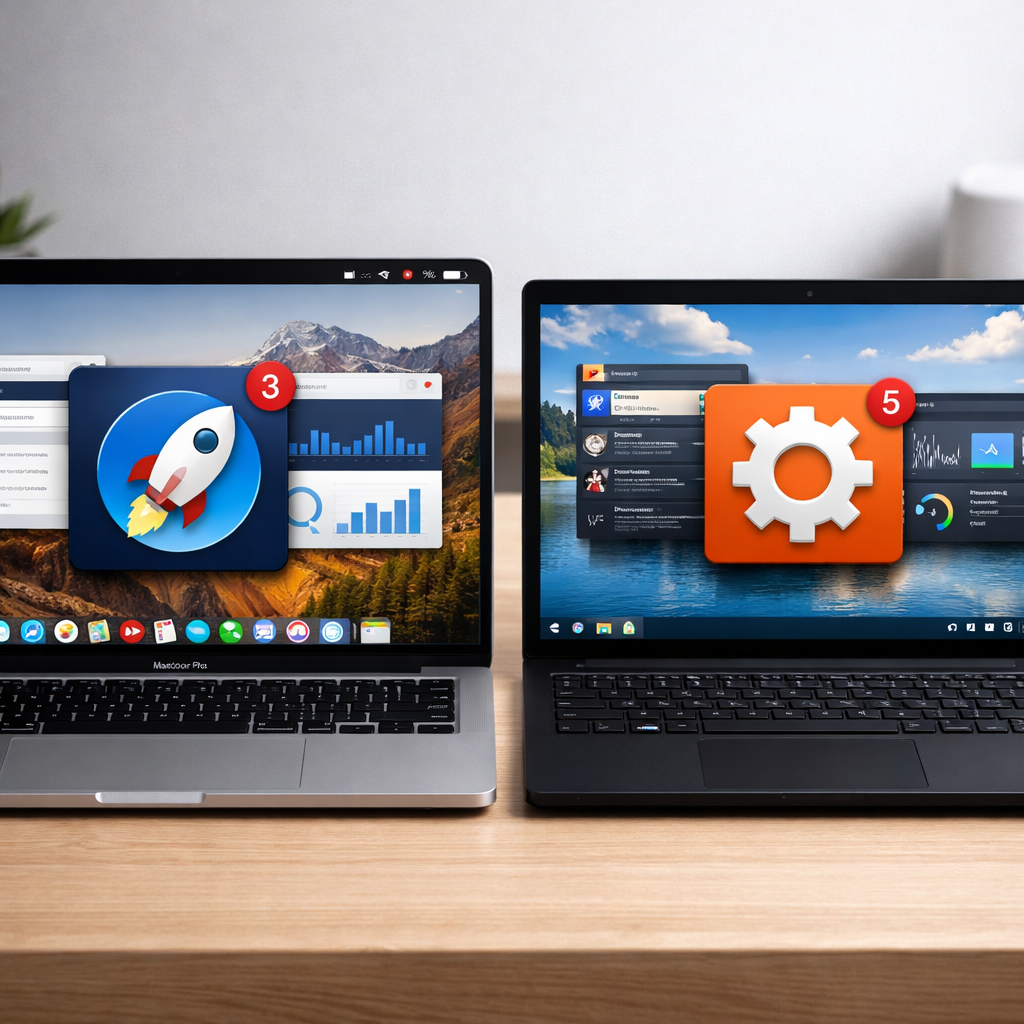
Anthropic has rolled out a new beta feature for Claude on both Mac and Windows that lets users convert their custom tools into standalone desktop applications. The feature, named “Install as app,” allows artifacts—user-built tools or workflows in Claude—to become apps with their own icons, windows, permissions, and more.
What the new beta enables
With the new system, once you install an artifact as an app, it runs independently of Claude’s main interface. It appears as a separate app window and gets its own icon, just like any regular software. You can share these apps with others, but not before granting permissions—Anthropic ensures you control what they can do on your device.
These apps also take advantage of Claude connectors. That means they can interact with external tools or services. Among the new capabilities are desktop notifications, adding items to the system’s menu bar, and support for granular permission settings. Essentially, artifacts now act more like true native apps while still rooted in the Claude ecosystem.
Why this matters
This marks a major shift for Claude users who want more flexibility. Previously, artifacts were constrained to the Claude app or web interface. Now, they can be elevated to standalone apps, which could boost productivity, enhance usability, and streamline workflows. It could also drive adoption among developers and power users who often want small, focused tools that don’t require opening the full AI interface.
This isn’t the only recent change at Claude. It comes amidst a series of updates targeting builders, with this being the second release designed specifically for them this week. The focus appears to be improving infrastructure, enabling customization, and giving users more control over how they use Claude tools.
Rolling out now in beta for Mac and Windows, the “Install as app” feature is a powerful new option for Claude users. As with any beta, bugs and limitations are possible—especially around permissions and integrations. Anthropic hasn’t published full documentation yet, though a deeper breakdown is available soon via their website.
Analytical take: Anthropic is clearly leaning into letting users own their AI-based tools more directly, bridging the gap between web services and native apps. This could make Claude more appealing in enterprise and creator spaces, where owning the workflow—and integrations—matters. The trick will be ensuring these standalone artifacts are secure and performant. Moving forward, how well these apps hold up under real-world usage—especially across different OS versions and complex workflows—will be the key to whether this beta becomes a core differentiator for Claude. Expect competitors to respond quickly if this model gains traction.