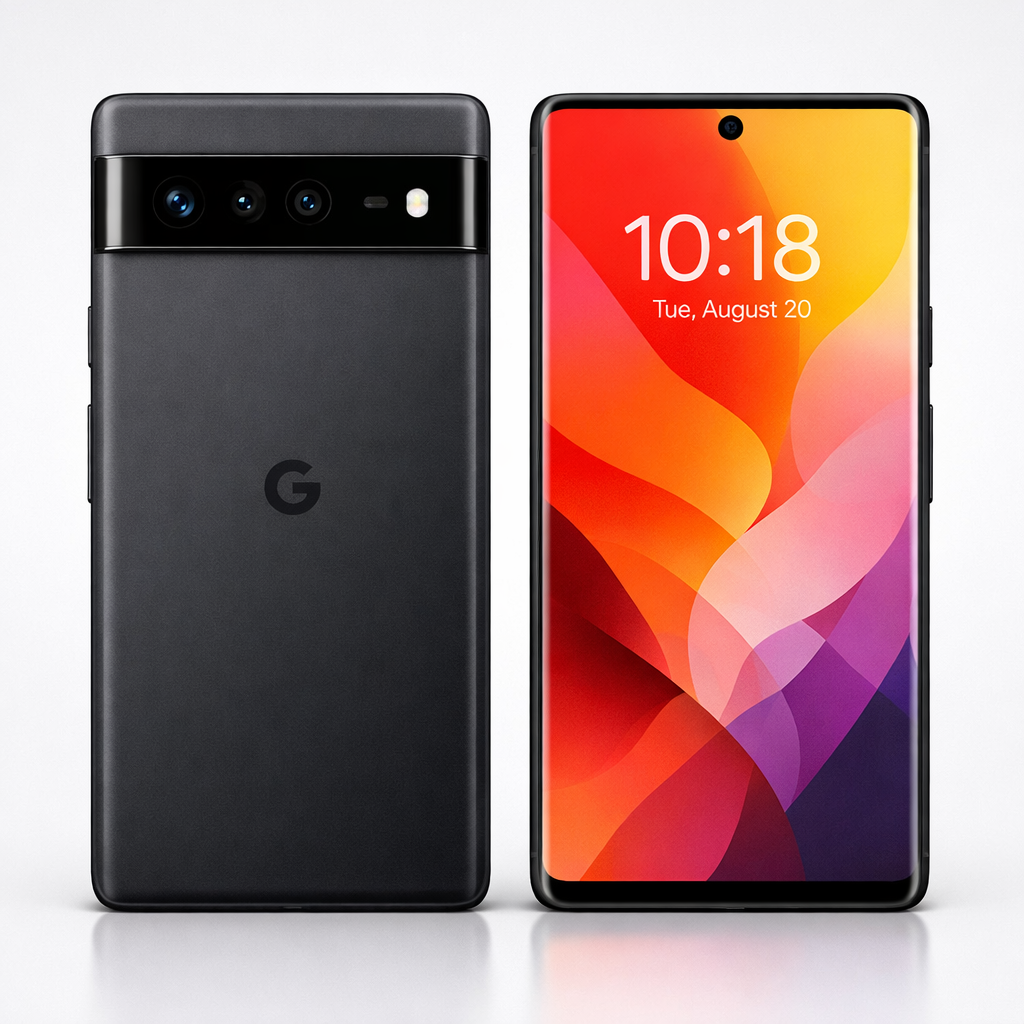
While newer models like the Pixel 11 are out, the Pixel 10 remains a standout choice even now. More than a year after its launch, this handset delivers design continuity, excellent software support, and camera performance that punches well above its price point.
Built on a Familiar, Polished Design
The Pixel 10 resembles its Pixel 11 sibling closely, sharing much of the same silhouette and accessory compatibility—magnets snap on, ports and layout feel familiar. That means users don’t have to compromise on aesthetics or ergonomics. Google seems to have found a design it’s confident in, avoiding major visual or structural overhauls after years of experimentation. For anyone upgrading from older Pixel models—or switching from another platform—this stable design helps make the jump feel natural.
In over a year on the market, there have been no widespread reports of hardware failures with the Pixel 10. Still, prospective buyers should be aware that the base model with 128 GB of storage can be limiting. If you store loads of photos, videos, or apps locally, stepping up to 256 GB is probably worth the extra investment.
Software That Keeps Getting Better
The Pixel 10 continues to lead when it comes to software updates. It actually received Android’s QPR1 release before the Pixel 11 did, highlighting its priority in the update queue. On top of that, updates such as Rambler and various quality-of-life improvements have been rolled out, smoothing out early issues like thermal performance and battery drain.
Google’s software experience here leans into Material 3 Expressive and Android 17, bringing a user interface that’s both fresh and refined. While some premium Pixel 11 and Pro features—like certain Gemini Intelligence perks or the Pro’s HiLight glow—remain exclusive, many owners will find that the Pixel 10 delivers most of the visible improvements without much sacrifice.
Camera System: Solid, With a Few Trade-Offs
The Pixel 10’s photographic prowess remains a core strength. Although its main sensor is shared with more affordable models (Pixel 9a and 10a), it still delivers dependable and impressive shots. The telephoto zoom on the Pro model adds versatility, but the base model is slightly held back by its main sensor’s limitations. Still, Google’s computational photography continues to elevate its results—video included.
A workaround like Video Boost helps compensate for some lower-end sensor shortcomings, especially in video quality. It’s not perfect—some purists may see it as a stopgap—but the resulting content generally impresses. And compared to phones from Samsung, OnePlus, and others, the Pixel 10 still stacks up well.
Value & Support: Why Now’s a Great Time To Buy
With the launch of the Pixel 11 came a bump in price—making the Pixel 10 more compelling than ever. Many retailers are offering discounts that bring it well below its initial price point. For those who want the Android 17 experience, day-one updates, and long-term security patches without paying a premium, the Pixel 10 hits a sweet spot.
Google promises six years of update support for the Pixel 10 series, meaning this phone will continue to receive security, software, and feature updates well into the future. If your priorities are clean Android, reliable hardware, and camera chops, then the few features you miss will likely be ones you learn to live without—especially given the price you’re paying now.
At this moment, the Pixel 10 isn’t the fastest or most eye-catching phone on paper—but it remains one of the smartest buys. With its nearly identical design to the newer model, robust software updates and support, and cameras that still perform in everyday situations, it delivers huge value. What to watch: whether upcoming Pixel releases keep raising base prices, and how Google divides up its Gemini Intelligence and Pro features—these could shift what feels like “enough” when you’re choosing between models.