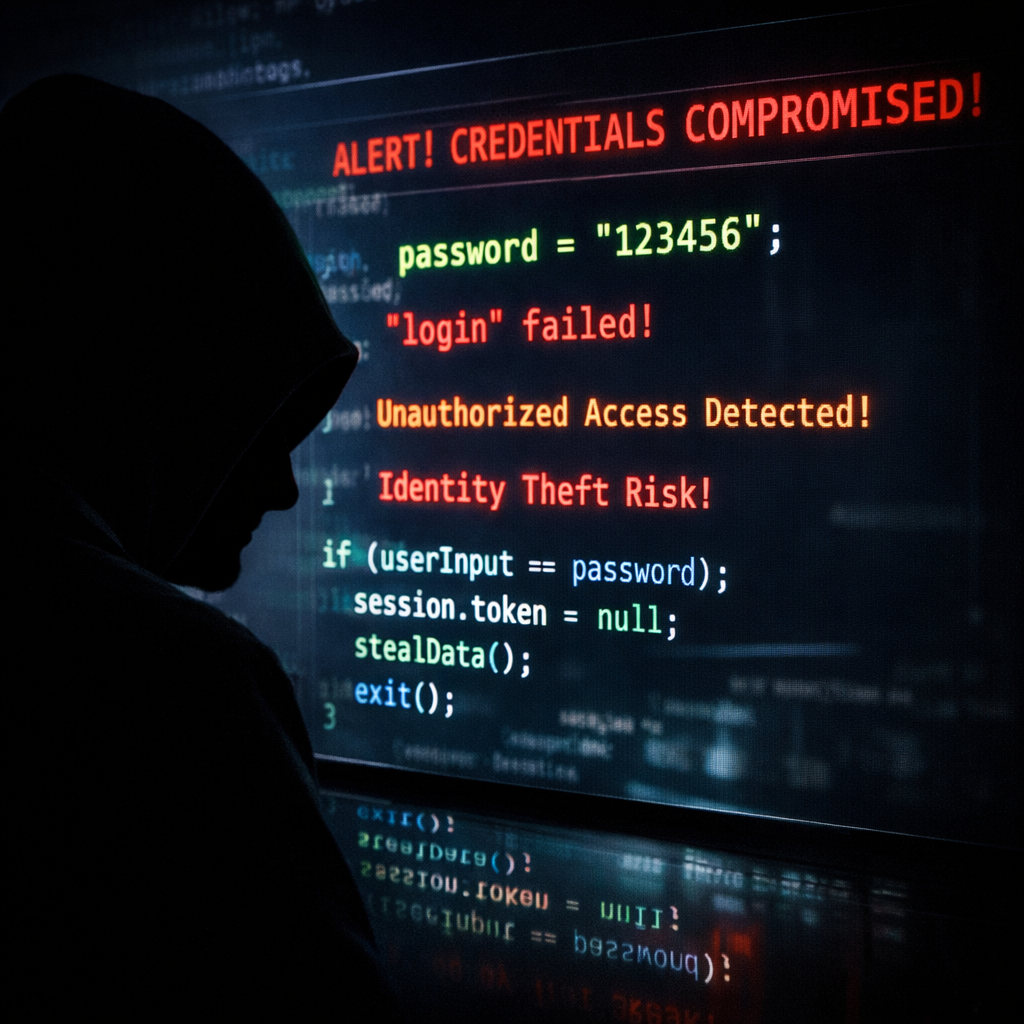
A vast trove of roughly two billion user credentials has been found in a publicly exposed database that lacked basic protections like encryption or password security. Researchers say the information is rich — including elements that could enable identity theft on a massive scale.
What Was Exposed
The compromised data spans more than just usernames and passwords. It includes login details for Tor’s .onion services — the type of dark web endpoints used for secure and anonymous communication. While .onion addresses don’t automatically mean illegal activity, many are linked to illicit operations and illicit forums. The research found thousands of these addresses paired with credentials.
More alarmingly, about 400,000 files were structured in folders per individual victim. These compilations are highly detailed: items like browser cookies, operating system files, applications data, clipboard contents, system snapshots, even “brute force” logs are grouped into profiles. The files carry enough personal and device-specific information for attackers to assemble long-term intelligence on potential targets.
How It Likely Happened
Although the exact origin of the breach hasn’t been determined, the patterns are consistent with malware-based exfiltration. The victim-based folders and system-level details point toward malware gathering data over time from devices it infects. The volume of records suggests aggregation from multiple smaller breaches. The database has since been reported to its hosting provider for removal. There’s no clear indication of how many individuals’ data was viewed or accessed before it was taken down.
What You Should Do Now
To reduce risk, use unique, complex passwords for every service and manage them with a password manager — ideally one integrated into your devices or operating system. Enabling two-factor authentication (2FA) is essential; when offered, pick an authentication app rather than SMS to avoid vulnerabilities like SIM-swapping.
Regularly monitor accounts for suspicious activity, and consider checking whether your data or identity is involved in known data exposures. Be vigilant about phishing or unusual login attempts — this kind of breach can pave the way for deeper attacks that combine credentials with personal information to impersonate or exploit individuals.
The scale and depth of this exposure demonstrate how credentials alone are no longer enough to assess risk. When login data is bundled with system logs, cookies, and device-specific files, attackers gain nearly unfettered insight into individuals’ digital lives. The stakes are raising: this is one of the most detailed credential dumps ever seen, and it underscores how identity theft is evolving. Going forward, we’ll need better protections at both the device and network level — and individuals must adopt stronger basic hygiene to stay ahead of these threats.