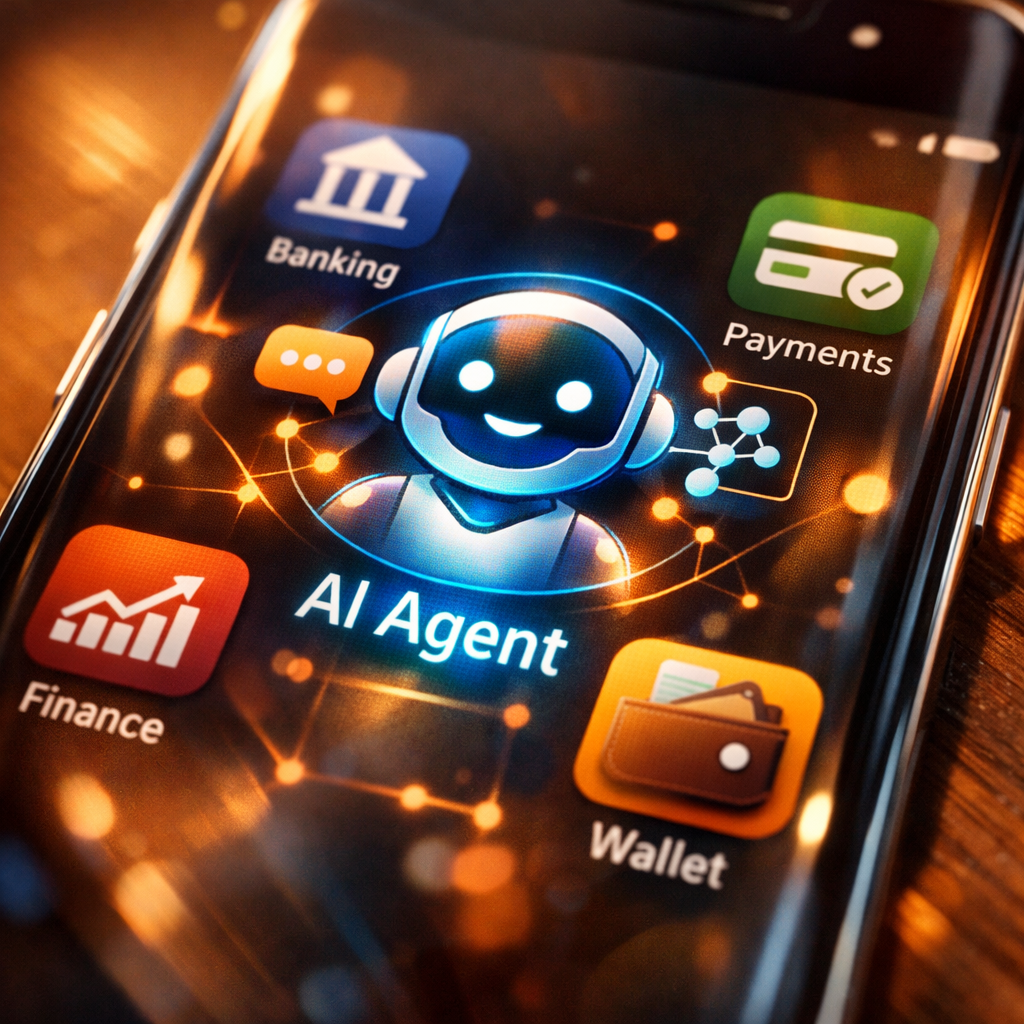
Apple has been advancing agent-style features for Siri, aiming to let the assistant act more autonomously across apps on iPhones and Macs. But as Apple develops what could be a large leap forward for AI assistants, several banks are already stepping in—restricting or warning against using AI agents with account credentials. This fight over control, trust, and risk is heating up just as AI agents go mainstream.
Apple’s AI Agent Ambitions
Over the past year, several AI systems—such as Claude, ChatGPT, Grok, and Muse—have added abilities that allow them to access and use other apps to fulfill tasks on behalf of users. Apple is now widely believed to be preparing to introduce similar functionality in Siri. The timeline points to these features launching sometime next year, based on reports about internal documents and job listings connected to autonomous agent development.
Senior leadership inside Apple, including engineering heads, are said to be pushing beyond incremental improvements to Siri toward agentic capabilities—where Siri can take initiative and interact with other apps on iPhone and Mac without constant user direction.
Banks Strike First: Blocking or Warning Against Agents
Even before full agent functionality becomes live for consumers, financial institutions are taking a defensive stance. Major U.S. banks have begun altering their terms of service or issuing explicit warnings about AI agents. For example, JPMorgan Chase has updated its agreements to forbid third-party agents that require logging in with a customer’s credentials. Bank of America has also told clients not to share login information with such tools.
Wells Fargo’s policy changes go further, using all-caps language to assert that the bank won’t accept liability for outcomes tied to AI agent use. Similar precautions or policy tweaks are appearing at Citibank and PNC as well. These moves reflect concerns over automated misuse, fraud, and liability when agents act on behalf of users without controlled oversight.
Risks & What’s Next
The concerns aren’t merely speculative. AI agents pose potential threats—including misuse of credentials, mistaken transactions, data leaks, and unclear accountability—if things go wrong. Financial services are especially sensitive areas where mistakes can directly cost money. Banks fear not only direct losses, but reputational harm tied to agent errors. Retail, travel, e-commerce, and other sectors are likely to follow suit, introducing their own rules, blocks, or client warnings as agent tools become more capable.
This isn’t just about trust—it’s about legal exposure. When a user gives an AI tool access to their financial accounts, the chain of responsibility becomes murky: who is accountable if funds are misused, or fraudulent activity takes place. As banks tighten terms against who can access accounts and how, the industry is trying to preempt a wave of agent-related risks.
Apple’s ambition to give Siri agent features could shift how we interact with our devices—making tasks smoother and more automated. But the banking industry’s immediate reaction reveals a deep tension: between user convenience and safeguarding security, between innovation and risk containment.
Why this matters: As Siri’s agentic future nears, businesses are already laying down markers. For users, this signals that despite technological progress, protecting financial safety is going to complicate—or delay—how freely AI agents can operate across sensitive domains. Watch for further policy changes, legal clarifications, and perhaps new standards governing how AI agents handle authentication and financial access.