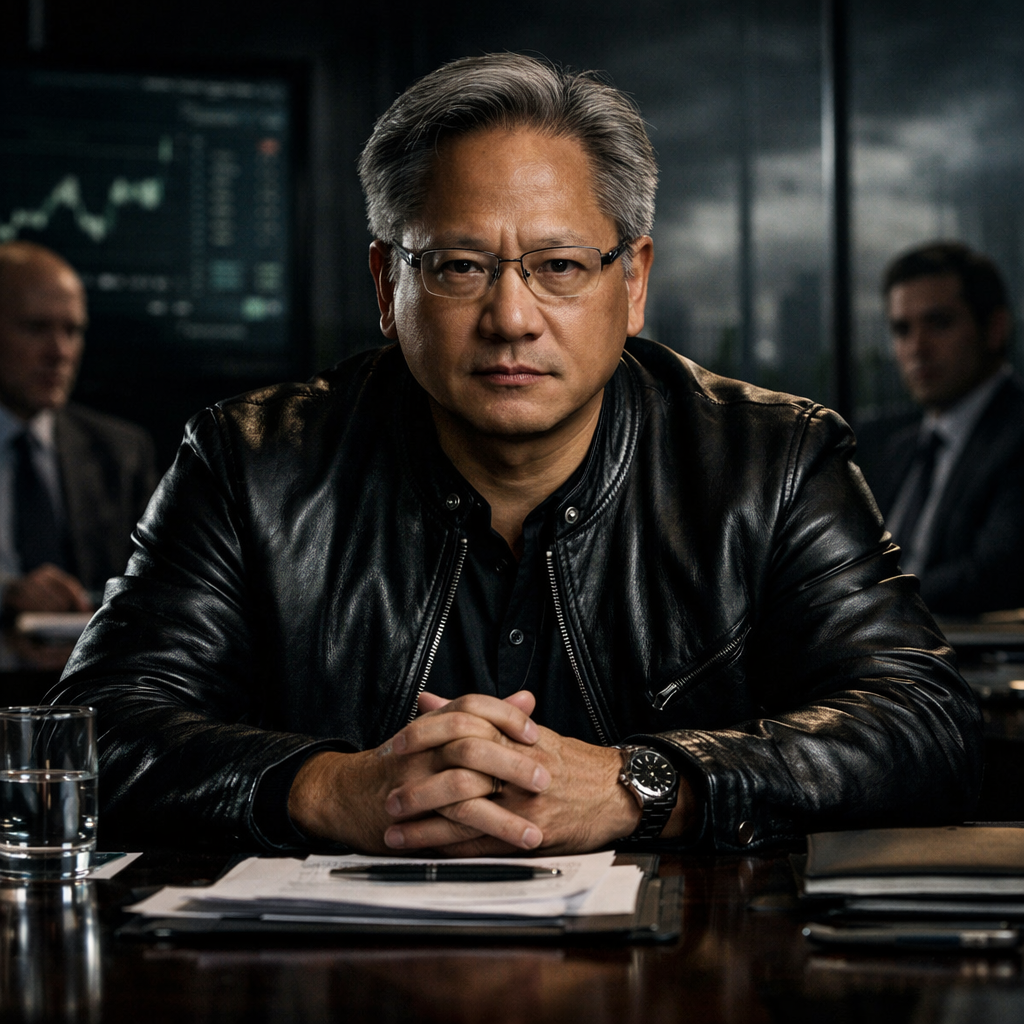
Nvidia has officially reinstated Jensen Huang as its President, Chief Executive Officer, and member of its Board of Directors, effective immediately. This decision comes despite a recent declaration by the board stating it had no intention of bringing him back. The reversal follows internal deliberations and external input.
The Build-Up: Resignation & Controversy
At the end of last month, reports surfaced about Huang’s relationship with a woman allegedly tied to Chinese intelligence, sparking widespread media attention. Nvidia initially dismissed the allegations, but changed course on November 8 when Huang publicly confirmed the affair. This confession triggered a sharp drop in Nvidia’s stock, a board investigation, and emerged additional reports that Huang had also been involved with a subordinate executive.
On November 12, under mounting pressure and unfolding complex revelations, Huang stepped down from his CEO role. Shortly afterward, calls for accountability and transparency grew louder across public and private spheres.
From ‘No Reinstatement’ to Full Comeback
Contrary to earlier statements from board chair Harvey C. Jones, who had explicitly ruled out any return for Huang, the board has now reversed course. In a press release, Nvidia announced a unanimous vote to restore Huang to his leadership positions. Key government officials contributed input during the decision-making process, which the board said convinced them that no national security threat is posed by Huang’s return.
Huang’s reinstatement comes with continued oversight: an independent committee made up of non-employee directors is conducting an ongoing investigation, supported by outside counsel. Huang has expressed full cooperation with this process.
Colette Kress, who served as interim CEO while also remaining CFO, will continue her financial leadership role. Harvey C. Jones will remain chair of the board.
What’s at Stake
Huang’s return would not be possible without the board’s belief in his “candor and ability to lead,” as they stated in their release. While some stakeholders had insisted that Huang should step down permanently, others argued that his strategic vision and impact on Nvidia’s business made him indispensable.
Now that Huang has resumed his role, all eyes turn to how he handles both the ongoing investigation and the broader implications for corporate governance, investor confidence, and Nvidia’s position in geopolitically sensitive technology markets.
Reinstating a CEO under such circumstances is highly unusual—and fraught with risk. This move raises questions about board independence, the influence of external pressure (including government input), and how corporations manage reputational damage. Critics will scrutinize whether this decision strengthens or erodes trust in Nvidia’s leadership. As the investigation continues, how Huang navigates transparency, compliance, and corporate integrity will be critical—not just for Nvidia, but for tech firms dealing with similar ethical and geopolitical crossroads in this era.