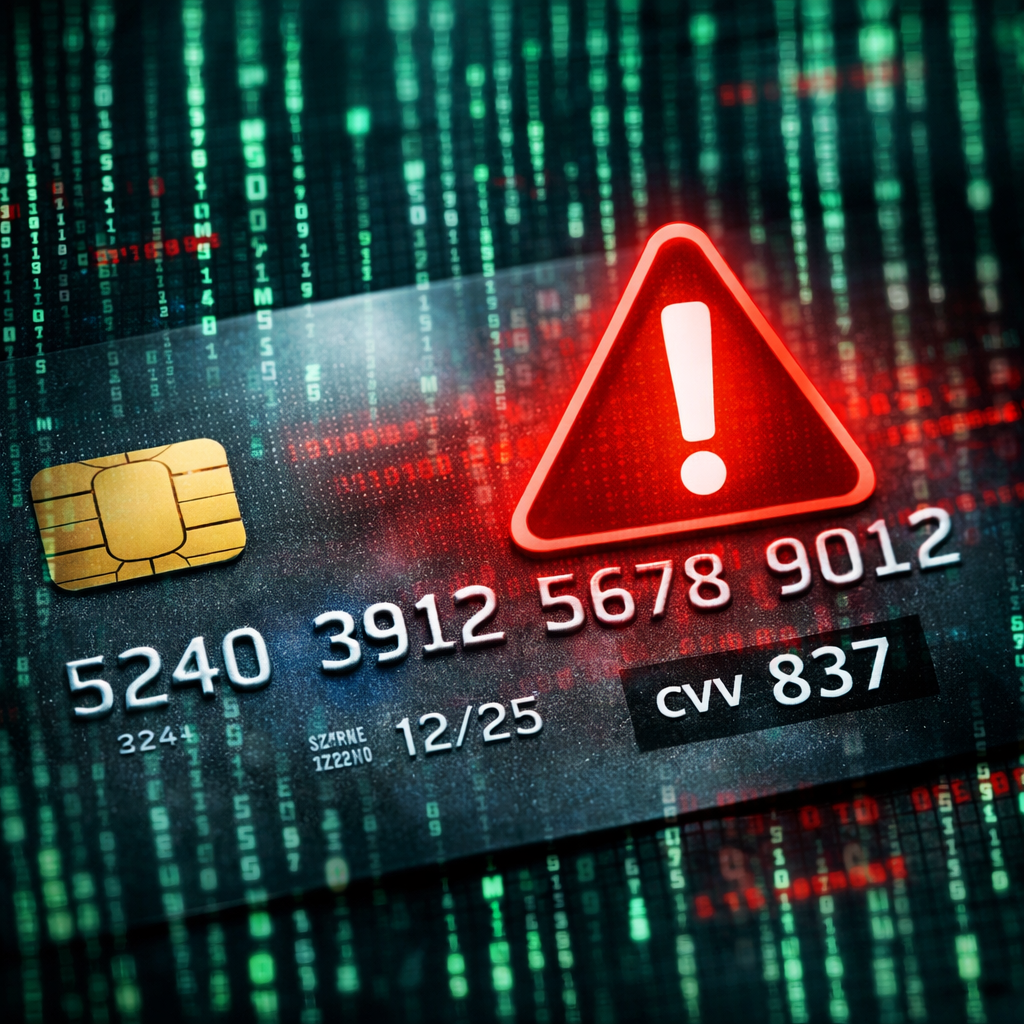
Cleverbridge, a major e-commerce payment processor, has confirmed unauthorized attackers exfiltrated sensitive payment data including card numbers, expiration dates, and CVV/CVC codes. The breach came to light after the company discovered suspicious system activity on November 4, 2026. It took affected systems offline that same day before restoring them—but not before payment card data was copied. Notifications to impacted customers began on November 20.
Scope and Missing Details
The company hasn’t fully clarified some critical details: it’s unknown how many customers are affected, which merchants were involved, or if every customer’s card data was compromised in full. While Cleverbridge confirmed that some payment cards had all three details—including CVV codes—copied, it didn’t specify whether that applied across the board or only to some. The breach was not ransomware, and no systems were encrypted, though restoration of service didn’t reverse the theft of data.
Rules and Risks Around Storing CVV Codes
A CVV or CVC is the three- or four-digit security code printed on credit and debit cards—used during online transactions to prove the buyer has the physical card. Under the PCI Security Standards, merchants are strictly forbidden from storing these codes after authorizing payment—not even in encrypted form. Cleverbridge has not explained exactly how or where the exposed CVV codes were stored, or for how long, raising questions about whether it violated those industry rules.
Next Steps for Users and Response
Customers who received breach notices are advised to identify which cards are referenced, review recent charges, and report anything unfamiliar to their card issuers immediately. Even in the absence of fraudulent activity, replacing affected cards is wise. For additional protection, Cleverbridge has engaged TransUnion’s Cyberscout to assist with notifications and is offering credit or identity monitoring where possible—details for enrollment were included in individual notices. Users should also be wary of phishing attempts disguised as breach follow-ups and only use official contact methods for inquiries.
This breach underscores a persistent issue: many payment processors and merchants remain vulnerable through lapses in storage practices or insufficient visibility into internal systems. When CVV codes—meant to be transient—are part of what’s leaked, the potential for fraud spikes dramatically. As investigations continue, customers and organizations should demand transparency around what was stored, for how long, and how quickly the threat was neutralized. For the broader industry, this event is a reminder that compliance frameworks like PCI are only effective when rigorously enforced—and that attackers will keep probing weak links in payment infrastructure. Monitoring, rapid detection, and clear communication remain essential, both to prevent damage and to maintain trust.