Wireshark version 4.6.10 is now available, delivering fixes across 39 security advisories that affect multiple protocol dissectors, capture file parsers, the dissection engine, and audio codecs. This update targets crashes, infinite processing loops, memory leaks, and one heap disclosure issue, all of which could seriously impact systems used for network troubleshooting and security operations. If your teams rely on Wireshark for packet inspection—especially with external capture files—this release is a must-install.
Major Vulnerabilities Addressed
The new release encompasses security advisories numbered wnpa-sec-2026-111 through wnpa-sec-2026-149. Many issues stem from external reports aided by AI tools, prompting a thorough internal review that uncovered a wide range of issues—though not all carry the same severity.
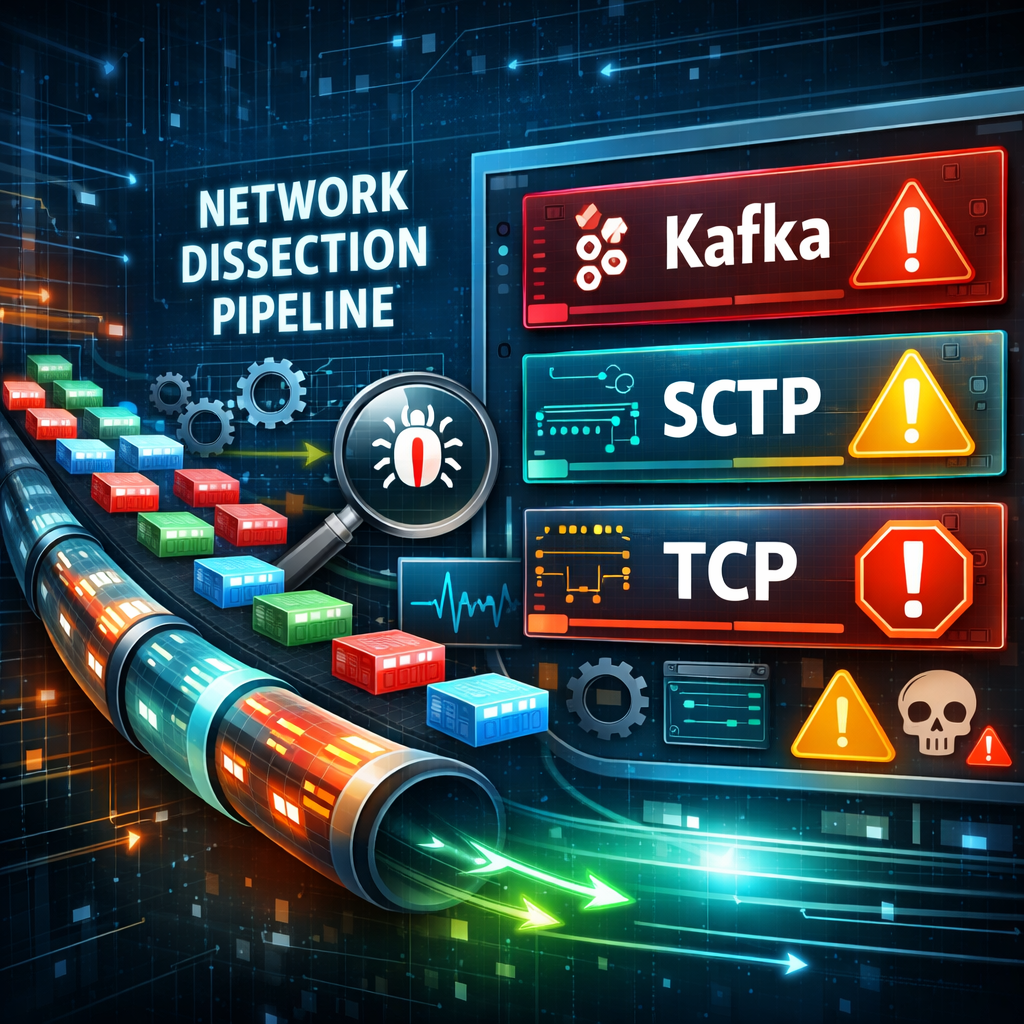
Among the critical protocol weaknesses, the Kafka dissector had an infinite loop vulnerability (CVE-2026-130455), and there are broader infinite loop flaws across multiple protocol handlers (CVE-2026-130451). Hangs occurring in both dissectors and file parsers are tracked under CVE-2026-130462. Other notices include an SCTP dissector heap disclosure issue in advisory wnpa-sec-2026-147, along with stability fixes in the iLBC and AMR audio codecs (wnpa-sec-2026-148 and wnpa-sec-2026-149), which weren’t assigned CVE numbers.
Capture File and Memory Leak Repairs
Capture file parsing received a comprehensive overhaul: crashes in ERF, Android Logcat, and PEAK CAN TRC formats are now fixed, while reading loops in Ascend and Tektronix K12xx files are addressed. Of note is a vulnerability in PEAK CAN TRC (CVE-2026-130467), which particularly affects systems built using older versions of GLib, making some deployments more exposed than others. Memory issues, including a leak in the TLS dissector (CVE-2026-130449) and numerous leaks across other protocol handlers (CVE-2026-130436), have been patched.
A grouped advisory—CVE-2026-130445—combines crashes, infinite loops, and memory leaks in various components. While crashes can immediately drop a session, leaks and infinite loops degrade reliability silently over time or under heavy load.
Component Upgrades & Deployment Notes
In addition to core patches, installer components have been updated. Windows and macOS builds now ship with Brotli 1.2.1, closing CVE-2026-111497, and Windows editions upgrade Npcap from version 1.88 to 1.89. Keep these changes in mind when assessing overall risk exposure.
The update is focused purely on security, with no new protocol support added. Users can download the installer or source from the official site; Linux and Unix users are advised to use their package manager for updates.
Organizations—especially those in cybersecurity operations, incident response, or devops—should prioritize rolling out Wireshark 4.6.10 across analysis workstations. Particular attention should be paid to machines that regularly handle third-party capture files, since several vulnerabilities target file parsers. Verify that your deployed package versions include the updated components (like Brotli and Npcap) to ensure full coverage.
Why This Still Matters
Wireshark is a cornerstone tool for deep packet inspection, network troubleshooting, and forensic analysis. Vulnerabilities in this space can allow attackers to crash tools, bypass analysis workflows, or gain insights into sensitive traffic. In complex environments—such as SOCs, threat hunting teams, or companies under regulatory scrutiny—keeping tools like Wireshark updated is not optional.
Analysis:This release underscores a growing trend: AI tools are accelerating vulnerability discoveries in open-source tools, bringing long-standing issues to light. While not every flaw is high-risk, the sheer volume—39 advisories—is a reminder that security posture isn’t static even for mature tools. Moving forward, organizations should build habits not just around patching, but proactive auditing. Expect more such comprehensive updates from Wireshark and similar infra tools—especially as outside scrutiny intensifies.