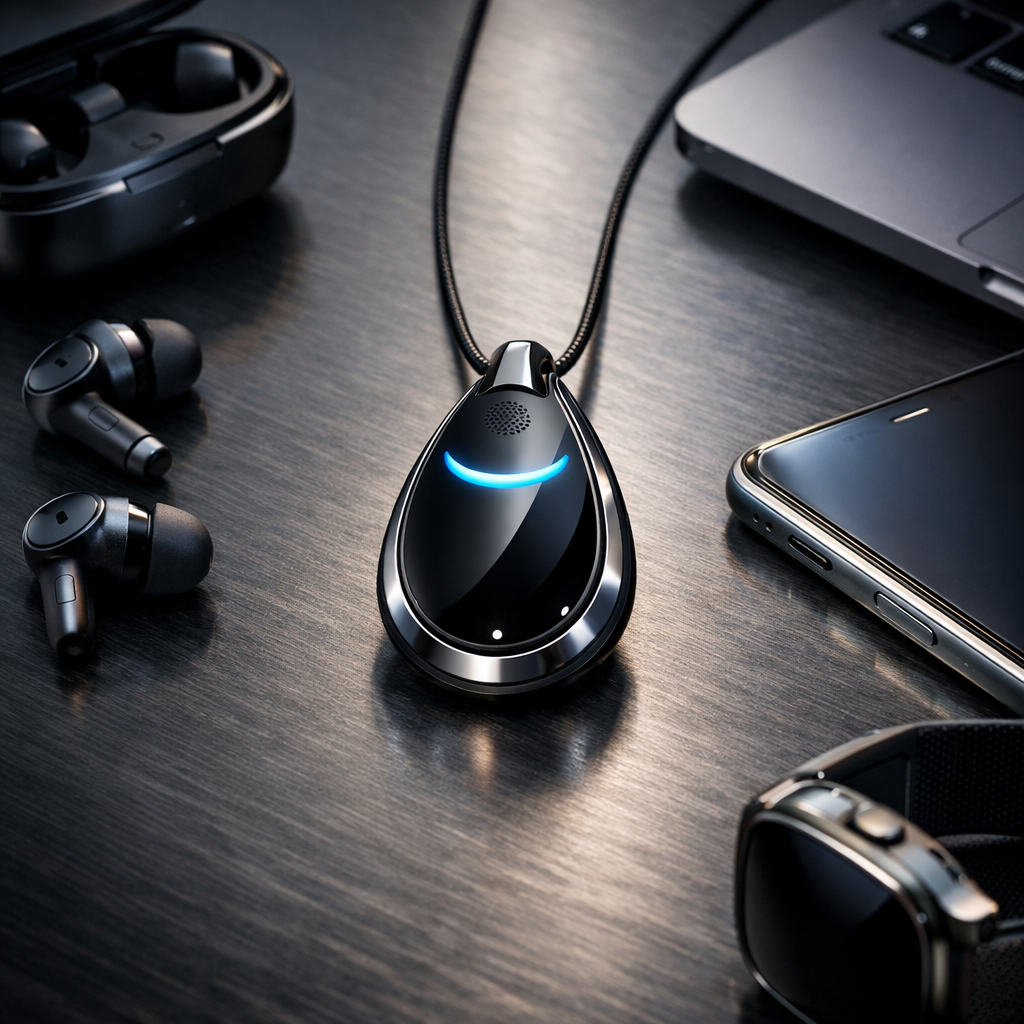
Meta is eyeing a roughly $300 price tag for its upcoming wearable AI device, Muse Charm, according to reports. The device—which was first hinted at during Meta’s Connect event earlier this year—is designed to function like a Tamagotchi-style AI companion: a physical manifestation of Meta’s Muse agent that users can talk to, command, and carry with them. Due to its nascent stage, Meta has offered minimal comment, declining to confirm pricing directly.
What Is Muse, and What Makes Charm Different?
Meta’s Muse is an AI helper that operates with various avatars to deliver personality and presence in digital form. Muse Charm seeks to take that a step further by turning the experience into a tangible, wearable form.
Muse Charm is set to let users engage with the AI via voice, carrying it like an accessory—possibly as a keychain or even worn around the neck. It offers the ability to ask questions, issue commands, and interact with the Muse personas on the go, rather than being tied to a phone or computer.
How Does That Price Compare?
The projected $300 cost is steep for a small AI wearable, but it slots comfortably among premium devices of the same genre. For instance, Friend’s wearable AI startup product is priced around $250—also offering communication with an AI persona. On the lower end, Amazon’s Bee Frontier wearable, which can transcribe speech and integrate tasks, is priced much lower (retailing around $75 or discounted closer to $52 during sales), though it requires a subscription (~$99/year) for fuller app integration.
Notably, Meta has not denied the pricing claim. A corporate spokesperson said only that the company is excited about interest in its AI devices and will share more details in the future.
AI Wearables: High Ambition, Tough Road Ahead
Wearable AI devices have historically had difficulty capturing mainstream adoption. The challenge lies not only in hardware and design, but also in the utility and context—whether users actually want to converse with a pocket AI, wear it visibly, or carry another digital assistant with them constantly.
Meta’s Charm will be competing in a cluttered space with products that trade off price, capability, and user experience. For example, devices like Amazon’s Bee Frontier emphasize transcription and task tracking, while others focus on avatar-based companionship. Charm’s success will depend on striking the right balance.
The potential $300 price tag for Muse Charm sets expectations high for both functionality and utility. If Meta leans on premium design, strong integration with Muse’s avatars, and a seamless experience, it may win over early adopters. If not, it risks staying niche.
Analysis: This rumored pricing reveals where Meta thinks Muse Charm fits: premium wearable AI, not mass-market budget gadget. The price point suggests confidence in hardware quality and AI capability. Moving forward, users will be watching closely for how Muse Charm performs—its battery life, connectivity, and real-world utility could make or break its appeal.