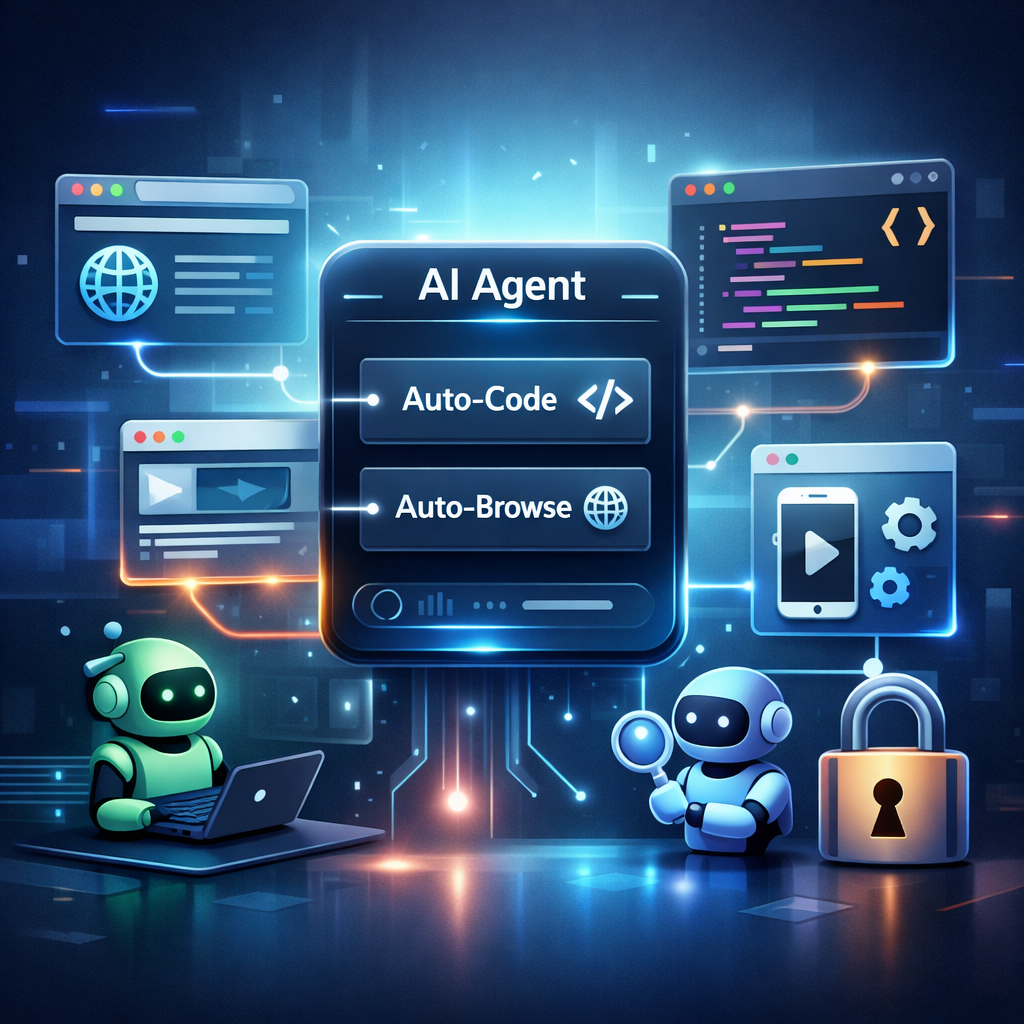
Apple is moving forward with plans to launch AI agents capable of executing tasks without constant user input, including coding, web browsing, and coordinating app actions. This comes into view via a newly surfaced job posting seeking an engineering manager to help build what’s described as an AI assistant that picks the appropriate tools and completes tasks with minimal guidance.
The company already has foundations laid via Siri and Apple Intelligence, which handle app intents and command integration. The emerging AI agent shifts that model toward greater autonomy—performing actions across apps and invoking commands as needed. It’s envisioned to operate with the smooth, privacy-preserving polish Apple is known for.
The job description suggests this agent would perform functions such as writing and debugging code, navigating the internet, calling services, and choosing the best method for each step. Privacy and security are deemed central. Apple emphasizes user control, aiming to avoid scenarios where AI agents run unchecked or access systems without sufficient oversight.
Timing-wise, there’s no firm launch date. But clues point to a debut in 2027, potentially as a major feature in what’s expected to be the next generation of the operating system, likely OS 28. The recruiting for this role indicates the project is underway, though it might be some time before it lands in consumers’ hands.
An underlying concern fueling this effort is that users are increasingly wary of third-party AI bots gaining expansive control over devices. Apple wants to preempt the risks by building an agent that respects user autonomy and device security from the start. The initiative reflects Apple’s cautious, privacy-first approach to AI innovation—safeguarding systems while expanding what its software can do for users.
As Apple seeks to roll out agents that can reason, act, and adapt, the coming years could bring a big leap in how we interact with devices. If successful, this represents a more capable version of virtual assistants—one that works proactively in the background, across apps and services, while maintaining trust.
What this means for users. When released, these agents could relieve repetitive tasks, automate behind-the-scenes maintenance, and simplify workflows for tech-savvy users like coders and general users alike. But Apple’s emphasis on security and user control suggests some limitations: expect controlled environments, strict privacy rules, and possibly opt-in models for the more powerful behaviors.
Broader implications. Apple’s move follows wider trends in AI toward autonomy and multi-modal agents. Other players are building bots that interpret natural commands, fuse web access and local tools, and build pipelines to complete complex tasks. Apple’s distinguishing factor may be its reputation and ability to bake security and privacy into core OS features.