Apple has released the second public beta of iOS 27.3, iPadOS 27.3, macOS Golden Gate 27.3, tvOS 27.3, and watchOS 27.3. The update was pushed out to public testers today; developers received revised versions earlier, including enhancements specifically for iOS and iPadOS. Users participating in Apple’s beta testing program can install the new builds via Settings > Software Update after enrolling their devices.
What’s New in iOS 27.3 & Friends
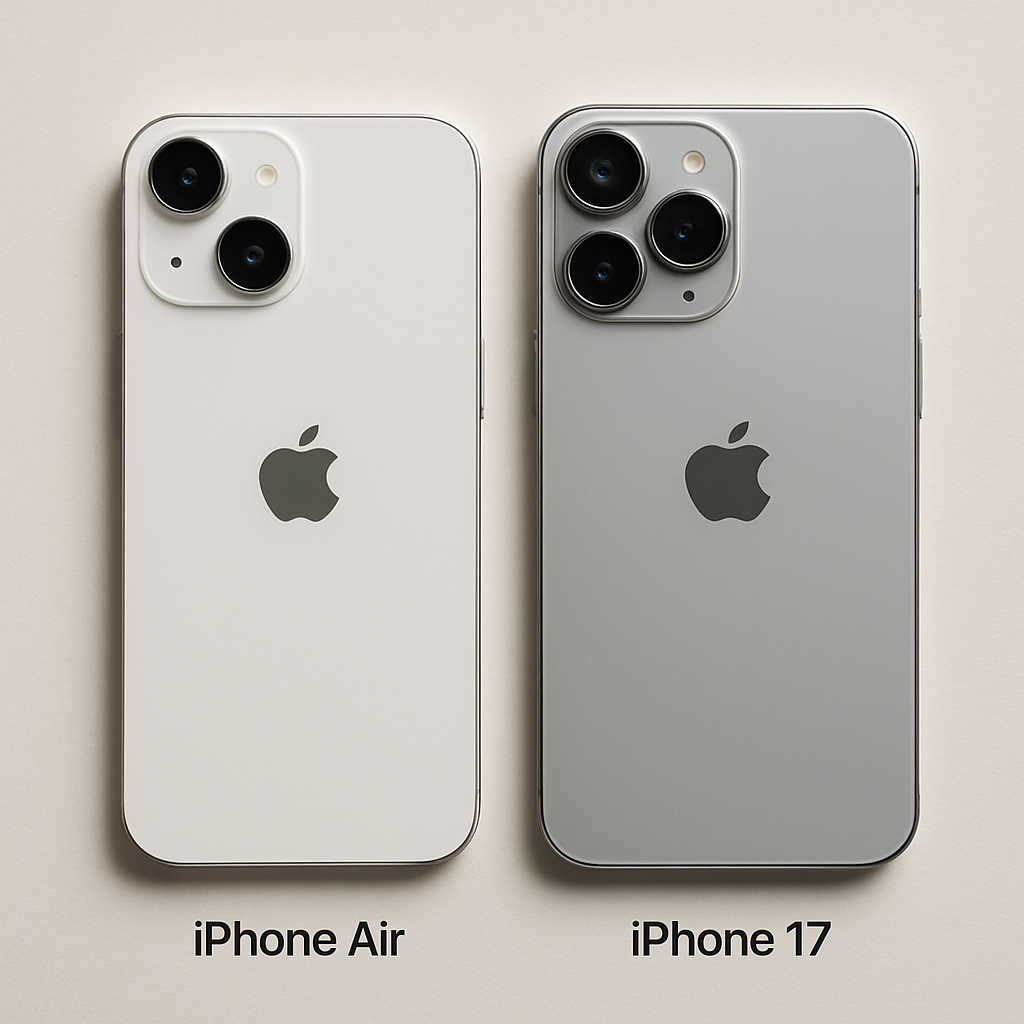
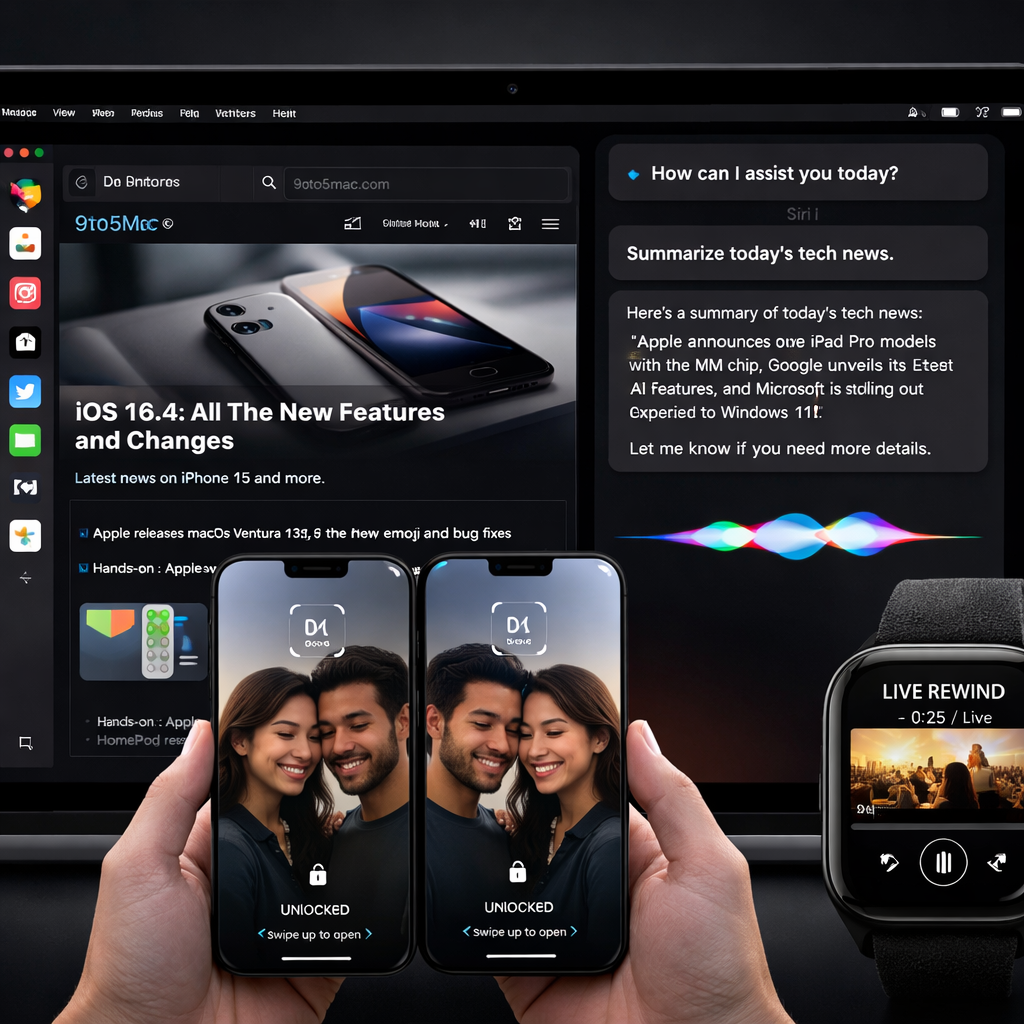
The 27.3 updates deliver several major features. Safari gains a Vertical Tabs layout and an Adaptive Dark Mode option. Siri AI is expanded inside of Apple’s apps, offering developers new capabilities to build custom Siri actions. For the iPhone Duo, this beta introduces facial unlock using the front camera and an option to lock the device when closed.
The Health app redesign makes its debut, bringing more personalized Insights and Longevity metrics. Reachability support is now available on iPhone Duo. Music fans get a Selfie Sing feature in Apple Music, while non-Duo iPhones see tweaks to how StandBy mode behaves. Under the hood, Apple is testing usage limits for Apple Intelligence and Siri AI, with additional access tied to iCloud+ plans.
Other Devices and System-Wide Updates
Users of Apple Watch Series 12 and Ultra 4 can try out Audio Intelligence features like Live Rewind—which lets you capture the last 15 seconds of speech—and Siri Recap, which offers a summary of conversations from the day. macOS Golden Gate 27.3 also picks up the Safari updates and adds Live Activities for Macs without a Dynamic Island.
All of these betas are expected to become publicly available in finalized form sometime in December.
What this means: These features show Apple pushing forward with its AI strategy, especially integrating Siri and Apple Intelligence more deeply into the user experience. Vertical Tabs and Adaptive Dark Mode in Safari were long-awaited changes that improve readability and aesthetics. For iPhone Duo owners, the new Face Unlock and locking options could redefine how hybrid devices are secured and used. Watching how Apple manages AI usage limits tied to iCloud+ will be especially important—it hints at how premium access to AI features may be structured moving forward.