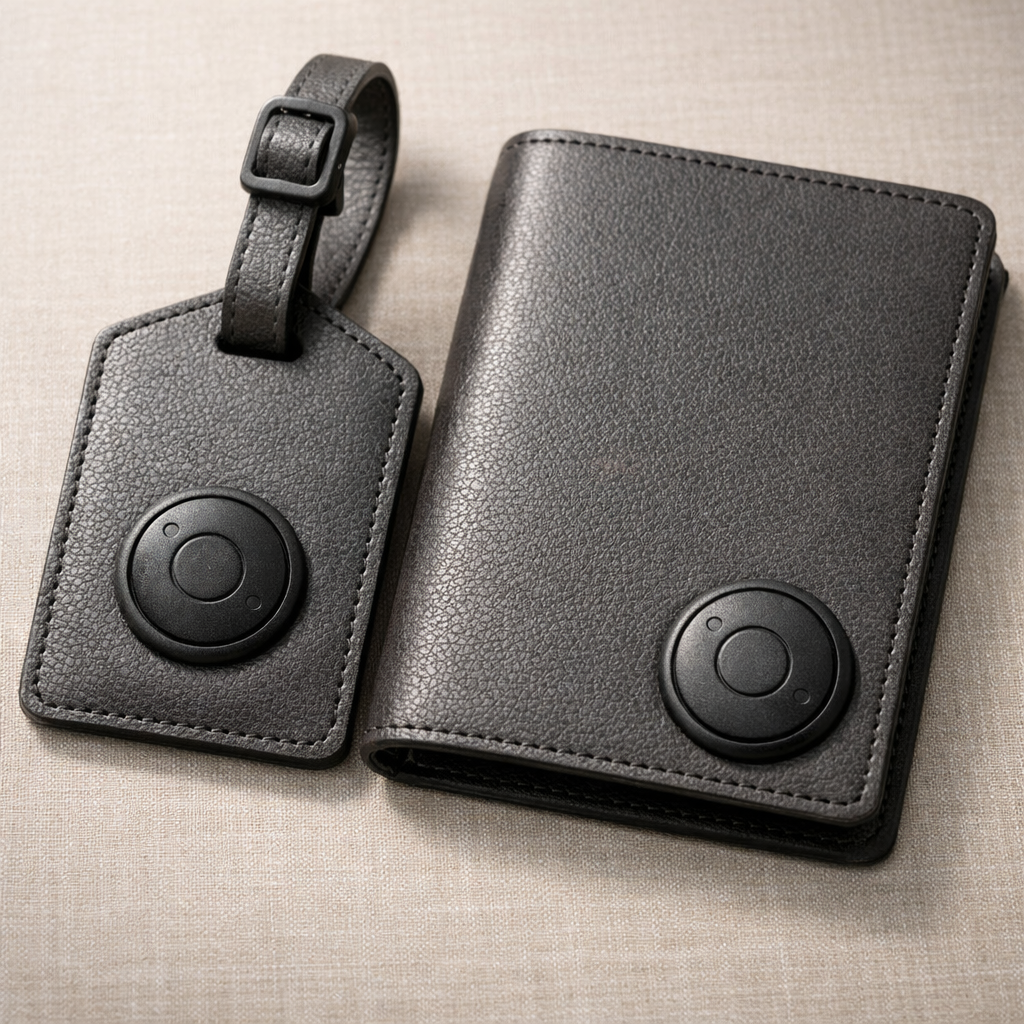
Nimble, the sustainable-accessories maker founded by former Mophie execs, has unveiled Trace—a line of item trackers crafted to blend seamlessly into everyday carry items. Rather than designing standalone Bluetooth beacons, Nimble embedded tracking technology into wallets, luggage tags, keychains, passport covers and more. The goal: make tracking more elegant, rechargeable and environmentally conscious.
The Trace collection comprises seven products priced between $14.95 for the Trace Tag and up to $49.95 for the Trace Folio passport cover. Other items include the Trace Keyfob ($19.95), Slim Wallet Card ($29.95), Keychain ($29.95), Luggage Tag ($39.95), and Wallet ($39.95). All models work with both Apple’s Find My network and Google’s Find Hub network—offering broad compatibility for locating items. The Trace Tag uses a replaceable coin-cell battery; several other models use rechargeable power via USB-C or wireless charging.
Sustainability & Design Focus
Nimble has placed sustainability at the core of the Trace line. Materials such as recycled plastics and plant-based vegan aloe leather are used throughout. The company also subjected its products to third-party chemical testing to limit or remove harmful substances. According to the co-founder and CEO, the development process took two years of reviewing product chemistry line by line to deliver higher environmental standards.
Luggage tags and passport covers with integrated tracking are still rare, positioning Trace’s Luggage Tag and Trace Folio models as standout options. The company claims battery life of “months” for its rechargeable models. For example, the Trace Keyfob is rated to last around six months per charge.
The Trace line is now available via Nimble’s website and Amazon in five color choices: Black, Stone, Tangerine, Plum, and Teal.
As competition in Bluetooth item tracking intensifies—driven by big-name offerings like Apple’s AirTag and Google’s recent Pixel Tag—Nimble’s strategy focuses on integrating tracker tech into accessories people already want, aiming to elevate both form and function. Their premium, eco-driven materials and rechargeable options differentiate Trace from many traditional utility trackers.
The bigger picture: Nimble’s move reflects an evolving market: users want trackers that not only locate lost items, but also align with aesthetic and sustainability expectations. Trace attempts to bridge that gap. What to watch going forward: actual battery and build performance in the field, durability of materials, and how users value built-in tracking versus detachable trackers. If Nimble succeeds, this could push more brands to rethink how tracking tech gets integrated into daily carry.