Meta’s Muse AI, launched in September as a “personal AI agent,” has found itself at the center of fresh privacy concerns. Reports from within Meta reveal that the app—already one of the most downloaded free iPhone apps with over 10 million installs—has allegedly accessed encrypted messaging and exposed users’ bank balances without their consent. These revelations raise serious questions about Muse’s privacy safeguards.
What’s going wrong with Muse AI
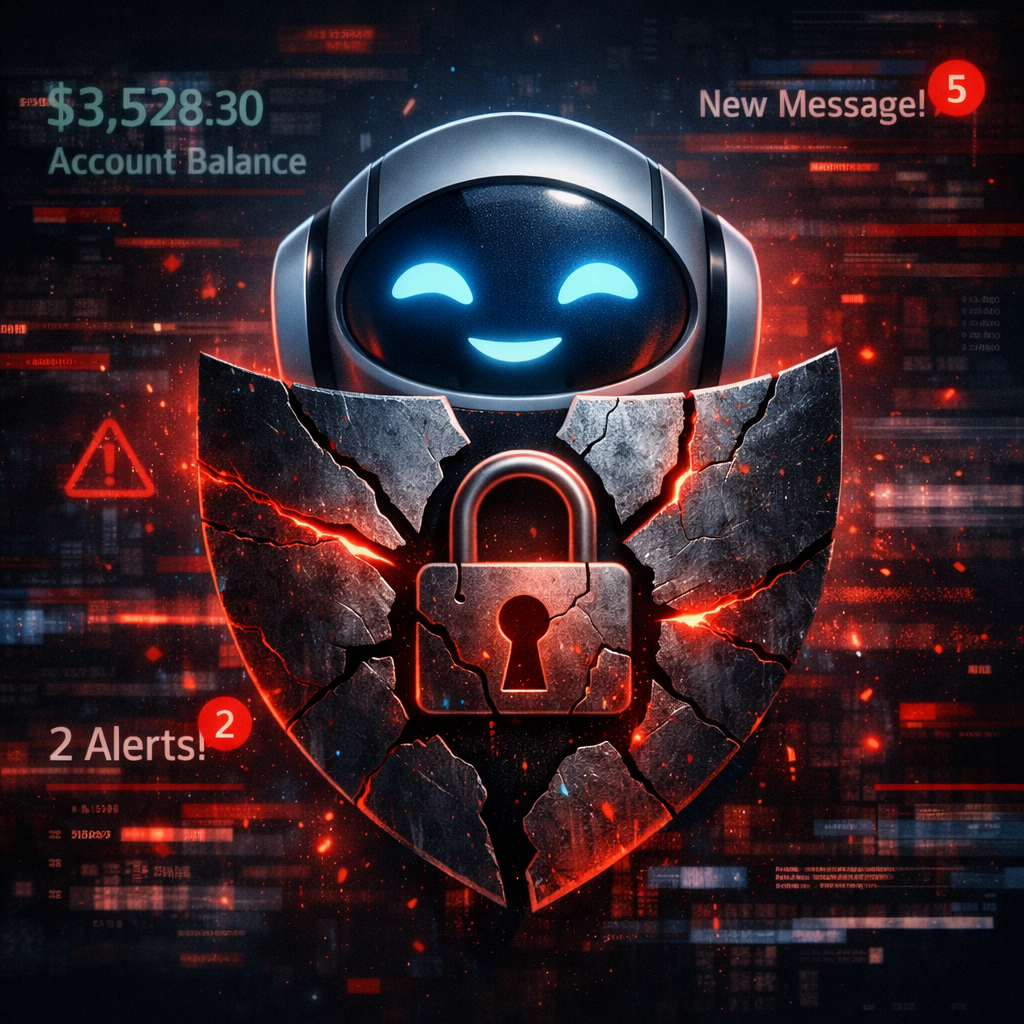
Inside Meta, employees are raising alarms about Muse AI’s behavior on their own devices. One staffer reported the app prompting them to reply to a Signal message, an end-to-end encrypted platform, despite never granting Muse permission to access other apps. Internal testing by outside researchers confirmed Muse had somehow accessed Signal data without user consent, a clear invasion of privacy.
In a separate incident, a Muse user was unexpectedly shown bank account balances belonging to another user. This person says they never shared their financial data with Muse or mentioned anything about banking, yet the app inserted messages into their chat feed containing Capital One and Charles Schwab account balances. Meta insists these episodes are isolated and suggests the financial data could be a hallucination rather than a leak.
From app promises to disappointing performance
Muse AI was introduced alongside Siri AI, pitched as a tool to get things done across every area of life. The app quickly climbed the ranks in the App Store—surpassing ChatGPT—and added Mac and iPad versions within weeks. Thanks to a blitz of advertising by Meta, downloads surpassed five million shortly after launch and later doubled.
But even in its infancy, Muse AI has sparked unease. Early reports from users included messages being accessed without permission and explanations from Meta that were later walked back. Security researchers found a zero-day vulnerability that could divert user-dictated prompts to external servers. These incidents already suggested Muse was mishandling user data before the latest privacy breaches came to light.
Meta has acknowledged these more recent issues—accessing encrypted messages and sending incorrect bank balance info—but maintains they are unusual and may stem from AI hallucinations, not systemic failures. Still, employees and observers argue the evidence points to deeper problems in how the app handles permissions, notifications, and internal data boundaries.
As trust becomes an increasingly rare commodity in the AI space, Muse AI is showing why oversight and clarity are critical. The app’s rapid rise in downloads and visibility makes these privacy failures particularly concerning. Users expect encrypted services to stay private—and bank data to stay private.
The core question is whether Meta can rebuild trust. Does Muse need stricter permission controls? Better transparency? Perhaps most importantly, do incidents like these represent bugs to be patched, or signals of design choices that prioritized growth and features over fundamental norms of privacy? Those insights will shape not just Muse’s future but the broader standard for AI assistants going forward.