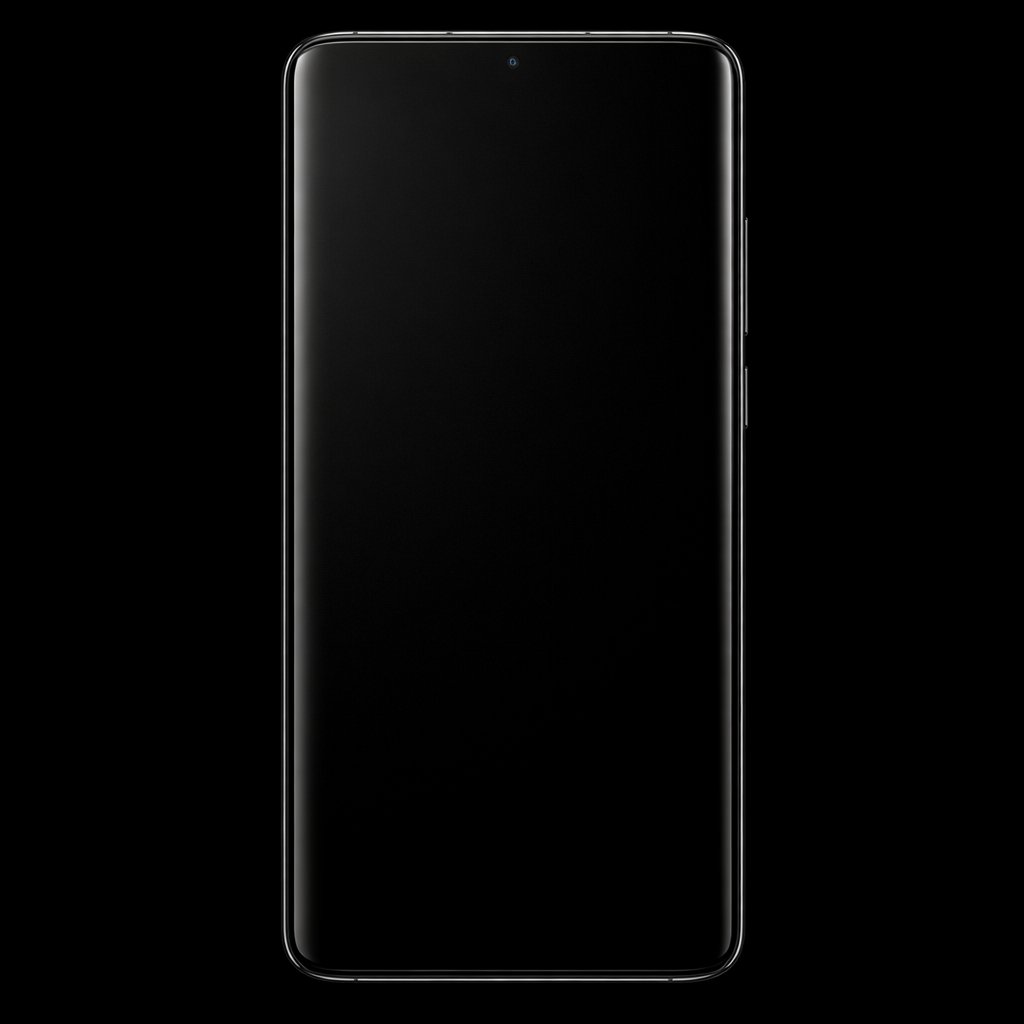
Apple is experimenting with ultra-thin curved glass edges for the iPhone 20, aiming to make the screen’s sides nearly invisible from the front and deliver an almost borderless appearance. A leaker known as Ice Universe shared details this week that suggest two versions of the upcoming iPhone line will adopt curved glass, while the other two stick with flat panels.
The curved glass design, reportedly more than three years in the making, has gone through multiple prototype cycles. The design hinges on bezels around 1 millimeter deep—thin enough that when you’re looking straight at the device, the curve blends into the frame and seems to vanish. The effect would make the display’s curved edges imperceptible from straight on, enhancing immersion.
This latest intel builds on sightings of what might be those curved glass elements—a video posted by Ice Universe showed a candidate glass piece for the iPhone 20 Pro, likely from an Apple supplier. The footage hinted at how subtle and refined the curve is.
The curved glass models are said to be split across the range: two iPhones with flat glass plates and two with curved ones. Past Apple patent filings have long covered curved glass enclosures, but this proposed implementation—which keeps curved bezels under visible detection when viewed head-on—is one of the most advanced seen so far.
Why this design shift matters
Apple’s move toward curved glass isn’t just aesthetic. An ultra-thin curve could reduce visual distractions at the edges, helping the screen appear more seamless and uninterrupted. It also aligns with designing devices that feel more futuristic and premium, especially as displays have largely reached very narrow bezels already.
That said, curved glass presents engineering challenges: ensuring durability, avoiding distortion or glare, and keeping manufacturing yields high. The long development period—three years of prototypes—suggests Apple is tackling those issues.
This also ties into broader trends in display design. Brands like Samsung and Xiaomi have pushed curved-edge phones in past years, but often the curve is clearly visible and sometimes detracts as much as it adds. Apple’s approach—making the curve nearly invisible directly facing the user—could be its way of extracting the visual benefits without the drawbacks.
What to watch for: once Apple finalizes these curved glass edges, how they handle repairability, screen protectors, and manufacturing costs will be critical. If successful, the iPhone 20’s screen could feel more immersive, with sharper visual focus toward the center—setting a new bar for flagship design.