Over the past few days, several high-profile tech disruptions have sparked worries that the U.S. is under a coordinated state-sponsored attack. A White House response aimed to quell those fears, stating there is no evidence of a systemic attack. Each incident appears to stem from separate, unrelated technical failures.
What actually happened?
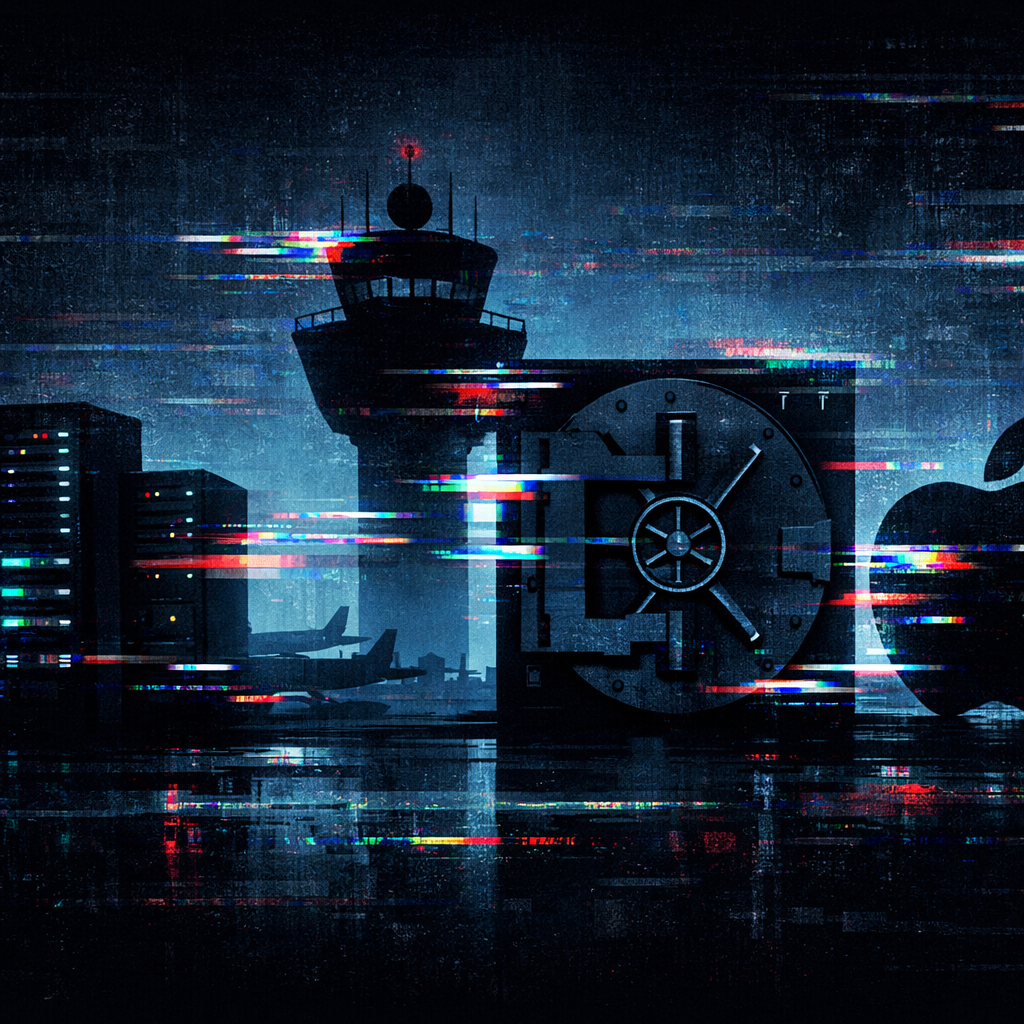
On Thursday, Microsoft 365 suffered a widespread outage that lingered into Friday, when two unrelated issues occurred at the same time. Also on Friday, the Federal Aviation Administration (FAA) experienced a nationwide ground stop affecting all air traffic control centers due to a critical communications breakdown. Then on Monday, a glitch in a Chase bank system disrupted not just Chase, but other banks as well where Chase was a party to transactions. Just yesterday, a broad Apple service outage knocked a number of its services and retail operations offline.
White House response: no signs of malicious activity
Government officials have firmly rejected theories suggesting these outages are linked or the work of a malign actor. A senior figure underlined that the Microsoft 365 issue, FAA communications problem, and banking system bug are entirely independent events. There is no intelligence or reason to believe any of them were caused by cybercriminals, foreign states, or coordinated attack campaigns.
Senator Mark Warner, vice chair of the Senate Intelligence Committee, echoed this view. While he confirmed there’s no indication of malicious intent, he raised concerns about the pace at which AI systems are identifying vulnerabilities—faster than ever before—and emphasized the need for rapid patching and stronger defenses across both firms and government agencies.
Why the confusion?
The coincidence of multiple major outages—spanning tech platforms, the financial system, and air travel—happened so close together that public speculation gravitated toward systemic threats. The Apple outage did not seem serious enough to prompt senior officials to issue detailed comment. Other observers, including a federal agency Secretary of State, affirmed that the incidents are architecturally distinct and unlikely to have anything in common.
From cloud infrastructure to internal communications and banking transaction processes, the root causes vary. While each breach or malfunction caused real disruption, none share a common technical thread or point to infiltrations.
What to watch moving forward
These recent failures underscore growing concerns over resilience and cybersecurity strategy across public and private sectors. The speed at which vulnerabilities are being exposed—amplified by advances in AI—was a recurring concern from lawmakers.
More transparency around post-mortems or technical investigations could help prevent confused narratives in future outages. Organizations may need to accelerate risk assessments, redundancy planning, and cross-industry coordination. It’s not just about minimizing downtime, but also about maintaining public trust when multiple systems fail in rapid succession.
Takeaway: Despite a string of high-profile outages at Microsoft, FAA, Chase, and Apple just this week, U.S. officials are confident there’s no evidence of a coordinated or state-sponsored assault. Still, the episodes highlight how rapidly threats can evolve, and how urgent defenses must be in a world where downtime can trigger alarm and speculation.