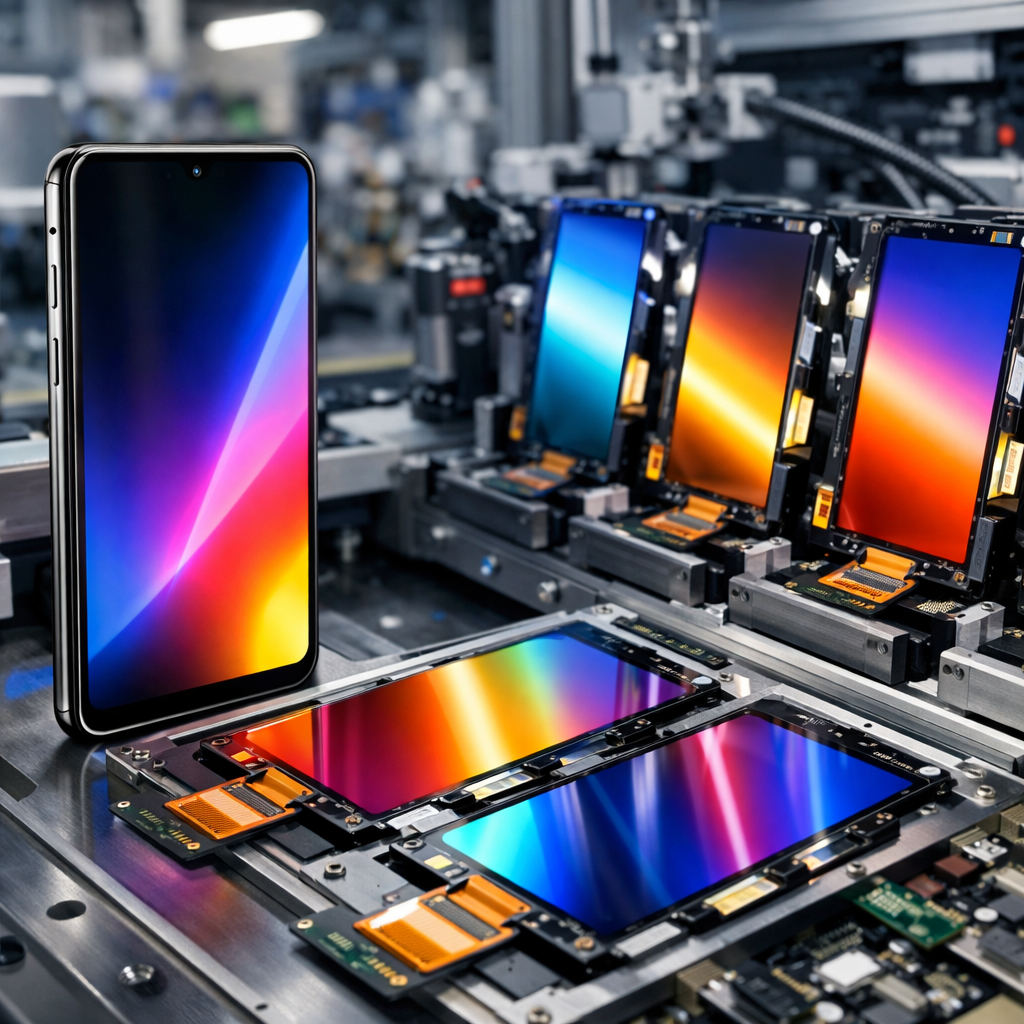
Apple’s anticipated iPhone Air 2 is said to retain the display specifications of its predecessor. A Korean report reveals that the company intends to lean on its current inventory of OLED panels, avoiding upgrades for the time being. The sole supplier expected to manufacture the OLED panels is Samsung Display.
Earlier rumors had suggested Apple would enhance the display on the iPhone Air 2 with a thinner, brighter panel, possibly incorporating new technology from Samsung. But the recent report makes no mention of any display tech upgrade or cancellation—it only confirms that existing specs will remain. The timing of new panel production reportedly begins in January, with a projected launch in March 2027.
This decision marks a shift from typical upgrade cycles, where Apple often introduces visual improvements in its models. Keeping the same OLED display could signal supply chain or cost management priorities. The move to use existing panels suggests Apple anticipates low demand for upgraded display components or that production constraints make major changes risky.
Why This Display Continuity Matters
First, the optics of not upgrading display tech may affect consumer perception. Displays are among the most visible features of a smartphone—brightness, thinness, color fidelity all shape the experience. By maintaining the same display, Apple may save on production costs, but it risks falling behind competitors or disappointing users expecting major display upgrades.
Second, this choice impacts suppliers. Samsung Display stands to benefit by supplying once more without needing to ramp up or adjust its factories for new OLED tech. But waiting until 2027 (Friday, March) to release the iPhone Air 2 could also influence component manufacturers and downstream logistics firms preparing for volume.
Lastly, for Apple’s overall product roadmap, holding display spec steady could free up engineering and R&D resources to focus on features elsewhere—camera upgrades, battery, software enhancements—or other more pressing component shortages. It may also align with broader cost-cutting if market demand slows.
This strategy underlines a balance between evolution and pragmatism. While display upgrades are often a headline feature, Apple seems ready to press pause for now. It will be important to watch whether future models—especially the iPhone 18 and Pro line—resume display innovation, and how consumers react when the Air 2 launches in March 2027.