A new self-hosted phishing platform called TheMailer is emerging as a troubling evolution in cyber-attacks. It enables malicious actors to deploy AI at nearly every stage of an email-based campaign — from crafting lures to managing replies — drastically lowering the effort required to run sophisticated phishing schemes.
What is TheMailer?
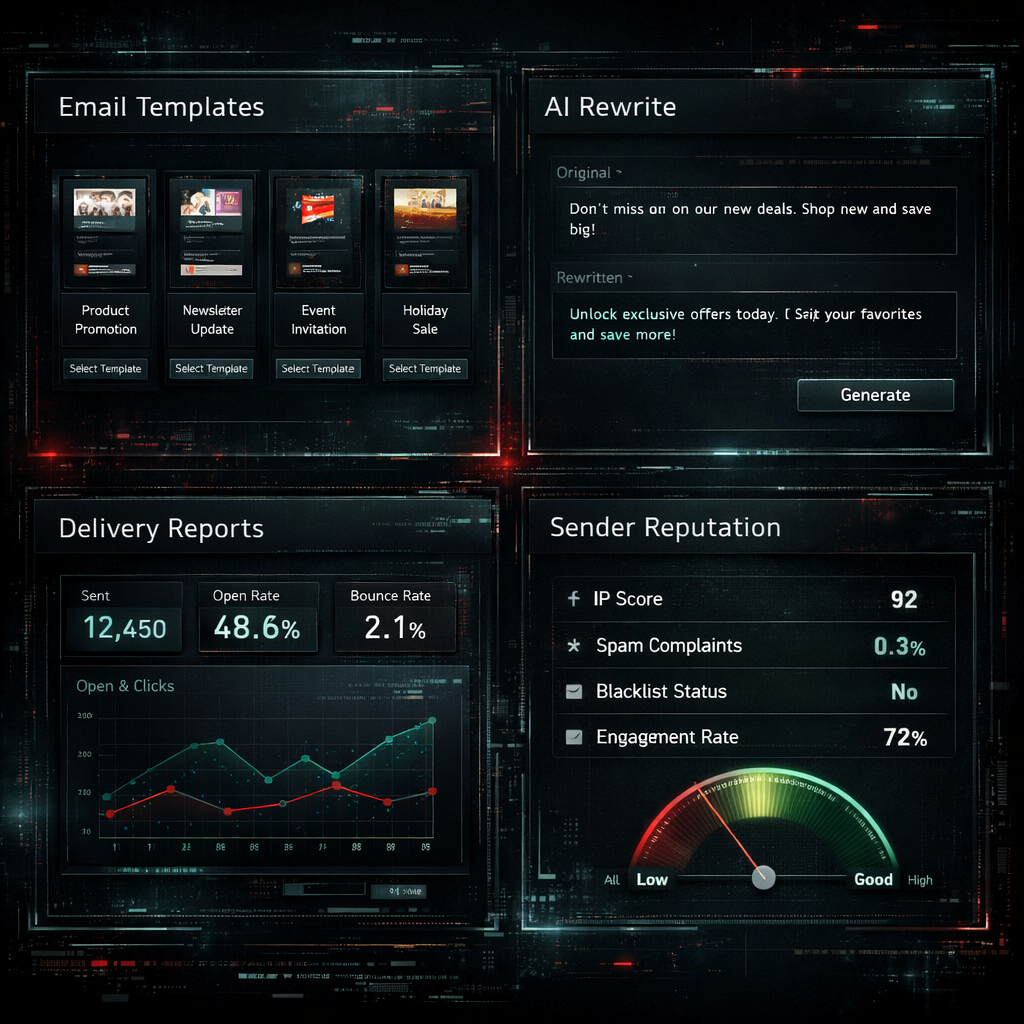
Developed by an underground threat group and documented by Varonis Threat Labs, TheMailer is a turnkey phishing service that integrates major commercial AI models. Users plug in their own API keys to leverage tools like Claude, ChatGPT, Grok, Gemini, Mistral, and DeepSeek. Rather than simply cleaning up grammar or style, the platform automates creative content generation, template design, delivery testing, recipient segmentation, warm-up routines, and responses. All wrapped in a slick, marketing-platform-style interface.
The platform has been available since March 2026 in cybercrime forums. Its listings have received over 24,000 views, though that doesn’t verify the number of buyers or how many attacks have succeeded. Package prices vary, typically offering lifetime licenses ranging from US$3,000 to US$6,000 depending on module features. Buyers are responsible for supplying their own mail servers, proxies, and the lists of targets. A Telegram channel handles sales, supported by an automated cryptocurrency payment bot.
How It Works: Automation Across the Attack Lifecycle
One of TheMailer’s standout features is “Inbox Loop”: test emails are sent, then a connected mailbox is checked via IMAP to assess if the message lands in spam or makes it into the inbox. If it’s flagged, the AI is instructed to adjust the template and try again. Though this improves delivery odds, it doesn’t guarantee success for all targets. Other features include:
- An “AI Letter Builder” that turns short prompts into full HTML emails; it can also import real messages to mimic them as templates.
- Recipient-level personalization of subject lines and content, along with dynamic placeholder usage like reference numbers.
- “AI Autopilot” that adjusts sending behavior based on recipient email providers (Gmail, Microsoft, GMX, Yandex, etc.), including provider-specific sending limits and formatting advice.
- Delivery tools like warm-up sequences, seed inbox testing, reply gathering and automatic response sorting.
- Attachment handling that transforms emails into personalized PDFs with varying filenames and hashes, along with embedded links. Also, support for SVG redirects and even calendar invitation styles to add legitimacy.
- Randomized sender profiles and header data; tricks such as using trusted Google domains ahead of malicious redirect domains to evade initial scrutiny.
TheMailer makes heavy use of branding themes — financial alerts, hotel booking callbacks, account security warnings — by cloning the look and feel of real companies without designs needing to be built from scratch. Advertised options to strip out “AI writing style” patterns aim to avoid detection, though there’s no proof these reliably fool defensive systems yet.
Defensive Takeaways
This platform is a stark reminder that attackers are now automating far more than just content — they’re automating feedback loops, testing, identity camouflage, and logistic plumbing. As phishing becomes ever more AI-powered, defenders must move beyond focusing on writing style. Key indicators to monitor include:
- Sender history and authentication (DMARC, DKIM, SPF) instead of merely polish in prose.
- Reply-address mismatches, unusual redirect chains, or odd metadata and attachment behaviors.
- Sender domain reputations, especially when trusted names appear in headers ahead of less reputable redirect domains.
- Fact that even seemingly benign forms (password reset, payment requests) may be malicious if they come from unexpected contacts and through unfamiliar communication paths.
Staff training should emphasize verifying requests for sensitive actions (passwords, payments, personal data) through known channels rather than trusting embedded hyperlinks or branded imagery. Security tools should focus on intent and behavior more than textual cues.
The rise of tools like TheMailer signals a turning point: phishing isn’t just handcrafted, it’s packaged, marketed, and optimized. As the sky-high cost of “crafting” attacks falls, volume, speed, and sophistication will only increase. For organizations, keeping AI-powered phishing tools in check will require not just detecting suspicious prose but securing the full infrastructure of communication — authentication, delivery behavior, and human verification must all be firmly in place.