The global smartphone business is heading toward a rough stretch—after a steep 13.8% drop in shipments this year, the industry is forecasted to slide another 5% in 2027. Despite that, analysts expect Apple’s iPhone unit shipments to grow by 7%, making it one of the few bright spots in an otherwise shrinking market.
Economics, Costs, and Consumer Sentiment
Mobile manufacturers are grappling with rising input costs—especially for memory components like RAM and flash storage—that don’t leave much margin for value-tier phones. That squeeze has pushed Morgan Stanley to revise its projections sharply downward: the firm now expects global smartphone shipments to contract in 2026 and 2027, rather than grow. Apple, however, appears less vulnerable to those pressures. Its iPhone shipments rose by 3% in Q2 of 2026, even while the overall smartphone market fell by 11%.
Loyal Customers, Longer Horizons
A Morgan Stanley survey spanning 7,000 adults across major markets revealed a shrinking urgency among consumers to upgrade: the average replacement cycle for phones is projected to hit a record-setting 4.4 years in 2027. But iPhone owners buck that lengthening trend—roughly 37% said they were very likely to buy a new phone in the next year, a number that held steady year over year. Apple’s retention also showed strength: the company’s customer loyalty rate climbed to about 93%, while its net switching rate improved to 12%.
In terms of market share, Apple is predicted to grab roughly 26% of global smartphone shipments in 2027, up from approximately 23% in 2026. The iPhone installed base is also expected to grow: projected to surpass 1.6 billion active devices by the end of 2026 and continue rising during 2027.
Foldables, Price Sensitivity, and AI Fatigue
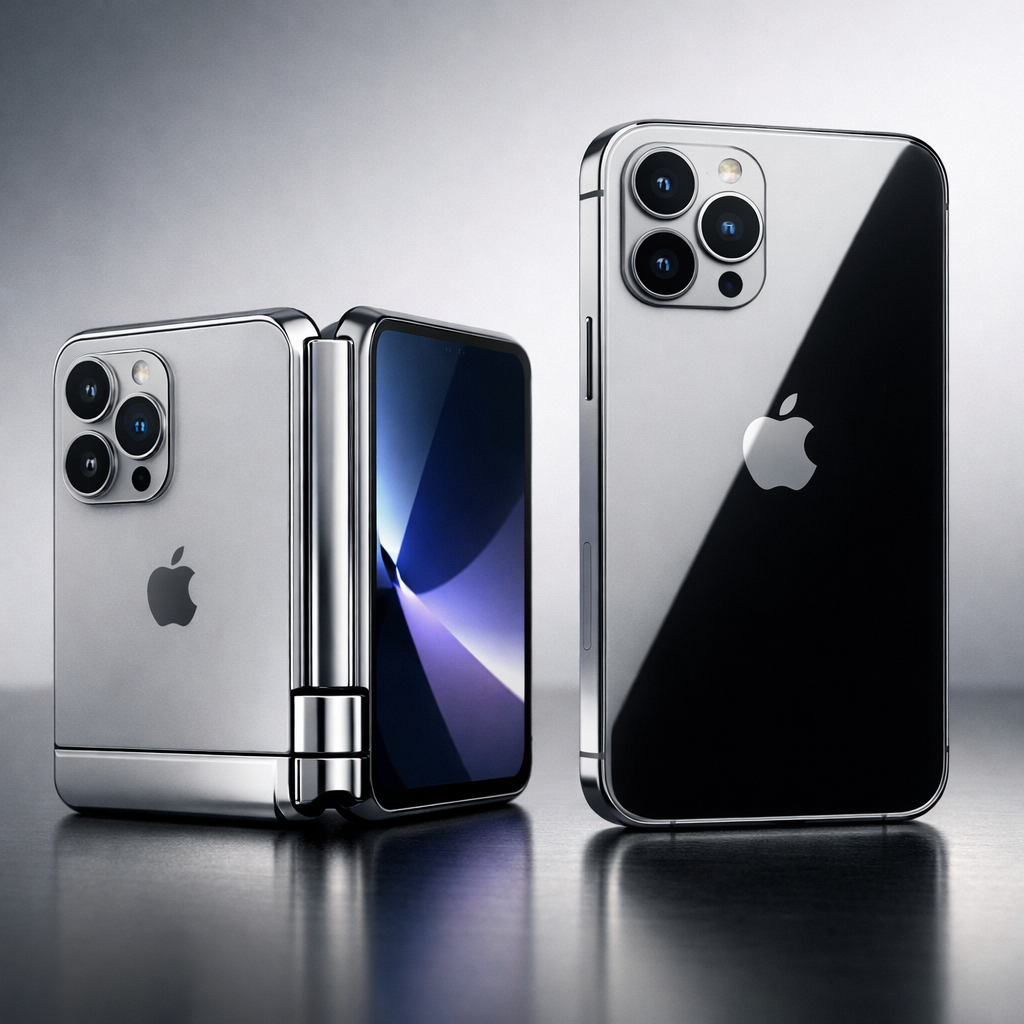
The new foldable iPhone model—dubbed the iPhone Duo—is seen as a possible lever for Apple to pull Android users over. About 22% of non-iPhone owners expressed interest in switching to the Duo, with particularly strong interest in China (34%), then the U.S. (17%), the UK (9%), and Germany (7%). But high cost and durability concerns weigh heavily. Among iPhone users who don’t want a foldable, roughly 28% cited price, the same percentage disliked the folding form factor, and 26% worried about long-term reliability. Initial demand for the Duo appears strong, suggested by shipping delays following its October 23 release—but Apple hasn’t shared hard sales numbers yet.
Meanwhile, one of the newer shift factors—Apple Intelligence, especially generative AI—seems to be losing steam as a motivator for upgrades. Its importance in prompting device replacement slid from fourth to seventh place, with battery life and eligibility for the latest OS gaining ground instead. Notably, consumers are also doing what many tech watchers would expect: spending less on premium AI access. While unlimited access to Apple Intelligence had been priced higher, average willingness to pay dropped to about $6.47/month in 2026 from prior estimates, and fewer users see it as worth paying for at all.
Key product timing may also benefit Apple. The standard iPhone 18 and an iPhone Air model scheduled for spring 2027 could shift some upgrade purchases forward. Delays are likely to move some buyers away from late-2026 offers and into the next year, helping push up 2027 shipment numbers even beyond organic growth.
Bottom line: Apple enters 2027 from a place of relative strength, facing lower pressure from shrinking demand but benefiting from sturdy loyalty and a new product cycle that could capture both existing owners and switchers. If durability concerns and price sensitivity around its foldable can be managed, there’s an opportunity to widen its lead.
What This Means
For Apple, this forecast suggests the company may gain market share even as competitors struggle with declining shipment volumes. Manufacturing costs will remain a key wild card—especially in consumer segments less able to absorb them. All eyes should be on how the iPhone Duo performs in terms of reliability and real sales—not just interest—and whether Apple Intelligence can be re-energized as a driver of demand. The unfolding product release cycle in 2027 looks like it could tilt the balance further in Apple’s favor if executed well.