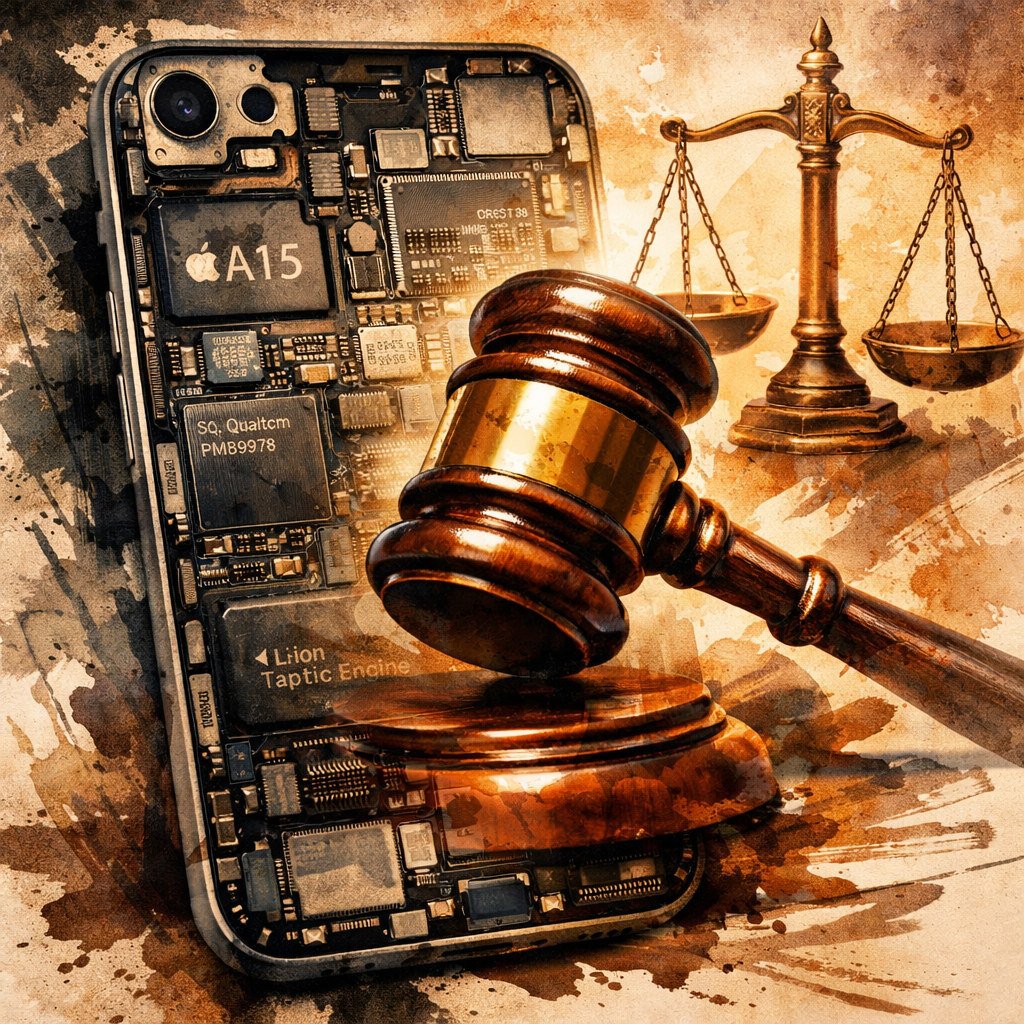
France is taking legal action against Apple, accusing the company of planned obsolescence and deliberately making repairs difficult—particularly by tying device functionality to unauthorized component replacements. The case stems from claims brought by the French group Halte l’Obsolescence Programmée (HOP), which lodged its initial complaint in December 2022, leading to a formal investigation in May 2023. Apple is now due in court before the Paris Criminal Court early next year.
What HOP Alleges
HOP argues that Apple uses hardware and software techniques that prevent proper repairs, especially when non-authorized repair centers try to replace them. Central to the claims are “serialized parts,” which link components and peripherals—like those inside an iPhone—to device functions at the firmware level. When parts are replaced by someone not certified, the device may not work correctly, even if the replacement part is an identical, original component installed correctly. According to French law, this kind of behaviour has been illegal since a 2021 amendment to the French Consumer Code.
Apple’s Repair Options & Timeline
Apple launched its self-repair program in France on December 6, 2022, which allows individuals to source parts and tools directly and perform certain repairs themselves. However, the program requires the use of certified parts and limits full functionality restorations unless repairs are done by authorized or validated operators. HOP says that even with certified, original spare parts, some devices malfunction unless the work is performed by Apple-approved technicians.
Legal Proceedings
The Paris Public Prosecutor’s office has formally decided to bring Apple to court over the accusations. There has been no official public comment from Apple France on this decision yet. The case is scheduled for a hearing on February 25, 2027.
At stake is more than just individual repairs—this trial could force Apple to reexamine repair restrictions worldwide. The way serialized hardware is used, and how strict rollouts like authorized-parts only policies are enforced, are already under scrutiny globally. If the court finds Apple guilty, it could face both fines and required changes to its product repairability model. Watch for whether this lawsuit prompts new laws or broader enforcement efforts beyond France.
Analytically, this case marks a turning point in the tension between user repair rights and proprietary control over hardware. It’s part of a growing global push for the right to repair, and France could become a benchmark. For Apple, the outcome may force changes not only in its repair program but how it designs hardware and handles parts serialization. Whatever happens, this court date in early 2027 is one to watch closely.