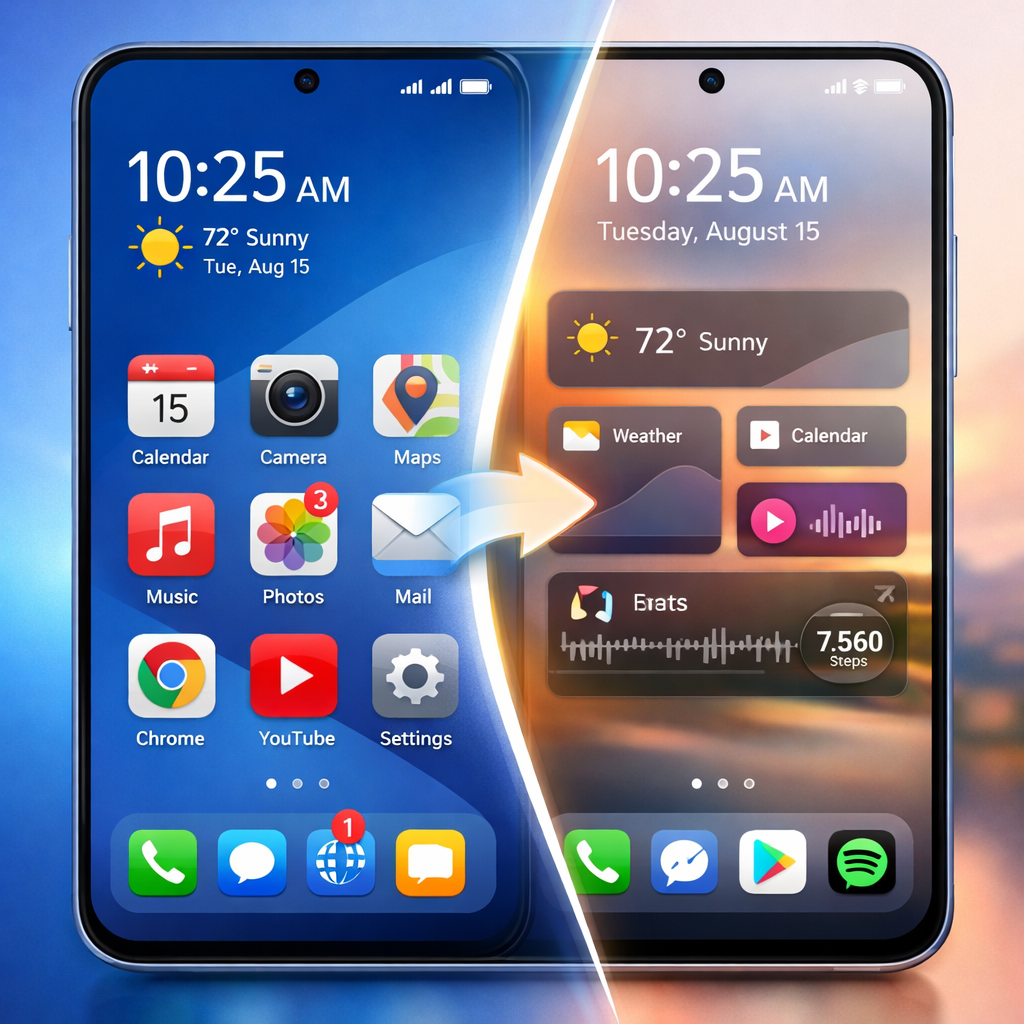
Oppo’s upcoming ColorOS 17 update appears to resolve long-standing issues with third-party launchers — like launch delays, broken Overview screens, and the forced fallback to the stock launcher. Users have often complained that launching the home screen or multitasking view is slow or non-functional when using alternatives to the default launcher on Oppo, Vivo, Honor, and other Chinese-brand Android phones. These glitches often made most third-party launchers barely usable.
A Reddit user reports that ColorOS 17 completely eliminates those annoyances. Tasks such as switching home screens, opening the Overview (Android’s multitasking view), and navigating back home seem to happen smoothly and without lag — even when a non-stock launcher is active. These improvements are especially meaningful for OnePlus users still waiting for ColorOS 17, since OnePlus devices—historically integrated with OxygenOS—haven’t generally suffered from these launcher flaws.
Why It Happened, Why It Matters
The problem stems from the way Chinese Android skins have traditionally handled background processes and UI interactions. To save battery or maintain performance, many aggressive task-killers or custom optimizations interfere with third-party launcher processes. The result? Delays or complete failures in opening essential UI components. While Android skins deliver robust hardware and design innovation, they often trade off system fluidity when users deviate from default apps.
Recent years have seen these manufacturers improve their software maturity. Features like longer update windows, tighter UI polish, and more fluid performance have become selling points, especially as they attempt to compete globally. The reputation of ColorOS has been rising; it’s increasingly seen as one of the most polished Android skins outside of Samsung’s flagship One UI.
The Road Ahead
ColorOS 17 is rolling out gradually, so not all Oppo or OnePlus users will experience the improved third-party launcher behavior immediately. Oppo has yet to publish a full list of supported models or a firm release schedule. For now, feedback from early adopters is crucial to confirming whether these launcher fixes are consistent across hardware variants.
In the meantime, users of other Android phones with Chinese skins—like those from Vivo, Honor, or Xiaomi—will also be watching closely. If this fix proves effective, it might push other brands to drop these restrictive optimizations and better support launcher flexibility.
Analytically, this development signals a maturing software ecosystem. Android’s open architecture allows for customization, but manufacturers have long restricted that via skin-level optimizations. Oppo’s move toward fully supporting third-party launchers under ColorOS 17 acknowledges that flexibility is a core expectation among Android users. What to monitor: whether updates fully resolve lag for all major launchers, and whether this trend carries over to other producers with similar complaints.