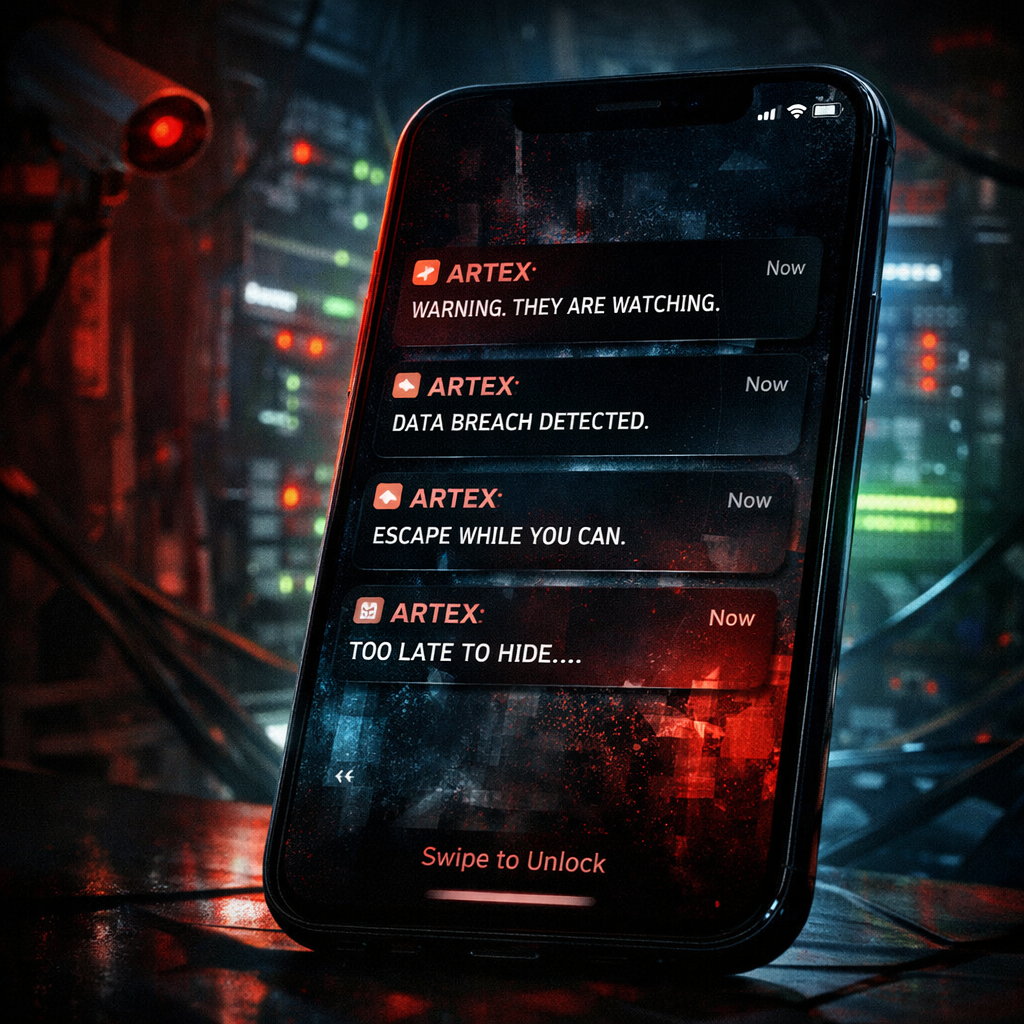
McDonald’s iOS app users were alarmed on November 17, 2026, when a surge of unusual push notifications hit their devices at approximately 2:20 PM ET. Multiple iPhone owners saw messages with labels like “ZZQA,” “ZZQA_CANARY_29105,” “ARTEX283CHK,” “ARTEX-TEST-ALIAS2,” and “ARTEX3855” instead of the customary offers or updates. These alerts resembled test or internal system messages more than typical marketing content. However, there’s no verified proof that a breach or code vulnerability was involved.
What Exactly Happened?
The push notification system used by Apple apps depends on a chain: the app’s backend server sends messages to the Apple Push Notification service (APNs), which then delivers them to users’ devices. For that system to work correctly and securely, server operators must hold proper credentials—like certificates or tokens—that authenticate messages, and private keys must remain confidential.
In this case, the odd alerts bore mention of “ARTEX,” a name that recently surfaced in connection with similar notifications sent through a government service app. Though this parallel is striking, there’s no evidence yet that the government app and McDonald’s app are connected, or that they share a vulnerability or infrastructure.
What We Still Don’t Know
Investigations are ongoing. So far, there’s no public confirmation of how many users were affected, what version of the app they were using, or whether any user data or devices were compromised. The exact path by which these messages were sent—whether from McDonald’s servers, a third party working for them, or some external exploit—is also undetermined.
Some cybersecurity observers caution against jumping to conclusions about massive hacks or stolen data. The fact that “ARTEX” appears in multiple incidents may hint at a common tool or vendor, but there’s no proof of a named threat actor or attacker group.
As things stand, unusual push alerts don’t necessarily mean iOS itself was compromised. More apt culprits could include compromised credentials or misconfigured server settings. Examining server logs, notification signing keys, API access, and token use will be crucial to pinpointing what went wrong.
Authorities and cybersecurity teams will be watching closely to see whether anything emerges—such as CVE listings, disclosures of a vulnerability, or new threats tied to the “ARTEX” nomenclature. Until then, users are advised to remain cautious but not assume a full-blown breach.
In a broader sense, this incident underscores how even trusted apps can become vectors for confusion or misuse when underlying infrastructure or credential management isn’t airtight. It also suggests that “ARTEX” might become a name to track—whether it’s a vendor, tool, or just a misused label. Tech teams must stay vigilant about who controls their messaging systems, how tokens and certificates are stored, and how to detect misuses early.