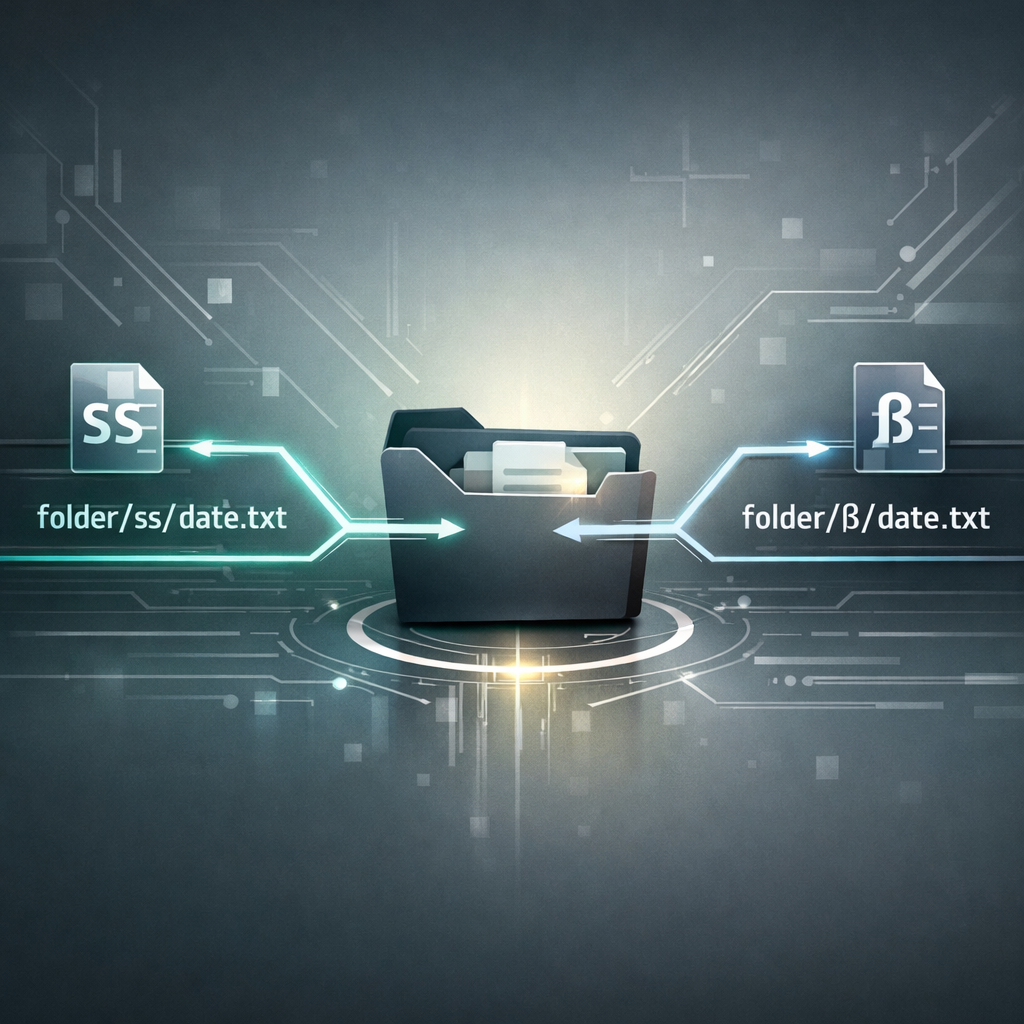
Attackers have uncovered a loophole in macOS’s handling of Unicode filenames that allows them to trick security filters and denial rules based on “ß” and “ss” character distinctions. Because Apple File System (APFS) treats certain Unicode spellings, like “ß” and “ss”, as referring to the same file, while many tools compare paths by raw bytes, a malicious actor can bypass exclusion or deny conditions to reach or overwrite files the tool was supposed to safeguard.
What’s the Vulnerability?
The issue arises from a mismatch in how filenames are normalized. APFS resolves different Unicode forms of names—such as using “ß” instead of “ss”—to the same path on disk. But developer tools like extractors, package managers, or CLI utilities often compare filenames byte-by-byte, without accounting for Unicode normalization. This means exclusion rules (deny lists, manifests, ignore files) that filter based on a raw name with “ss” can be bypassed if a file is instead named with “ß”. When APFS resolves that name, it’ll point to the protected file—effectively sneaking past defenses.
Where It’s Struck: Affected Tools & CVEs
At least four tools have been confirmed vulnerable, each tied to a distinct CVE:
- libarchive (CVE-2026-45110): Directory- and file-overwrite bypasses when extracting archives; a look-alike filename might overwrite critical system files like
/etc/passwd. - Deno (CVE-2026-49401): Deny flags for read, write, run or foreign-function-interface operations can be circumvented if the requested path uses a variant spelling that bypasses these raw byte checks.
- HashiCorp go-slug (CVE-2026-14978): Definitions in .terraformignore can be sidestepped, potentially leaking or allowing upload of sensitive files meant to be excluded.
- setuptools (CVE-2026-59890): Before version 83.0.0, matching globs in MANIFEST.in didn’t normalize Unicode names properly on APFS or HFS+, allowing files to slip past exclude rules into source distributions.
Besides those CVEs, a broader tracker (VU#604762) has been opened over concerns in other libraries where colliding paths (ß vs ss) may lead to race conditions during archive extraction—where a protected file might be overwritten if two paths that map to the same file are handled in parallel.
Risks & Mitigation
These flaws are especially dangerous in automated systems—CI/CD pipelines, backup scripts, package distribution workflows—where tools assume exclude or ignore lists are airtight. When they aren’t due to Unicode normalization mismatches, attackers with write permissions (local access) can tamper with configuration, cause data corruption, or even execute code via overwrites. There’s no evidence yet of active exploitation in the wild.
To defend against this:
• Update affected software to patched versions (setuptools 83.0.0 or newer, etc.).
• Avoid path comparisons using raw bytes; instead normalize paths in the same way APFS does (fold case, normalize Unicode) before applying filters.
• Audit build tools and archiving workflows. Watch for unexpected file writes during archive extraction and ensure exclusion rules are reliable and properly normalized.
The operating system vendor is reportedly not affected. Several major tools, including Docker, Helm, IBM, and Node.js, currently have uncertain status.
What this means: This vulnerability underscores a deeper challenge in filesystem security—differences between how tools read filenames versus how the OS resolves them are a recurring weak spot. Many developers assume exclude or deny rules are safe by default, but this attack shows how normalization issues and Unicode can betray that trust. Going forward, projects that handle files programmatically must treat Unicode and path matching with care, especially if their workflows involve archives, package distributions, or CI/CD pipelines. Keep an eye on patches from affected tools and whether more libraries may share forms of this bug.