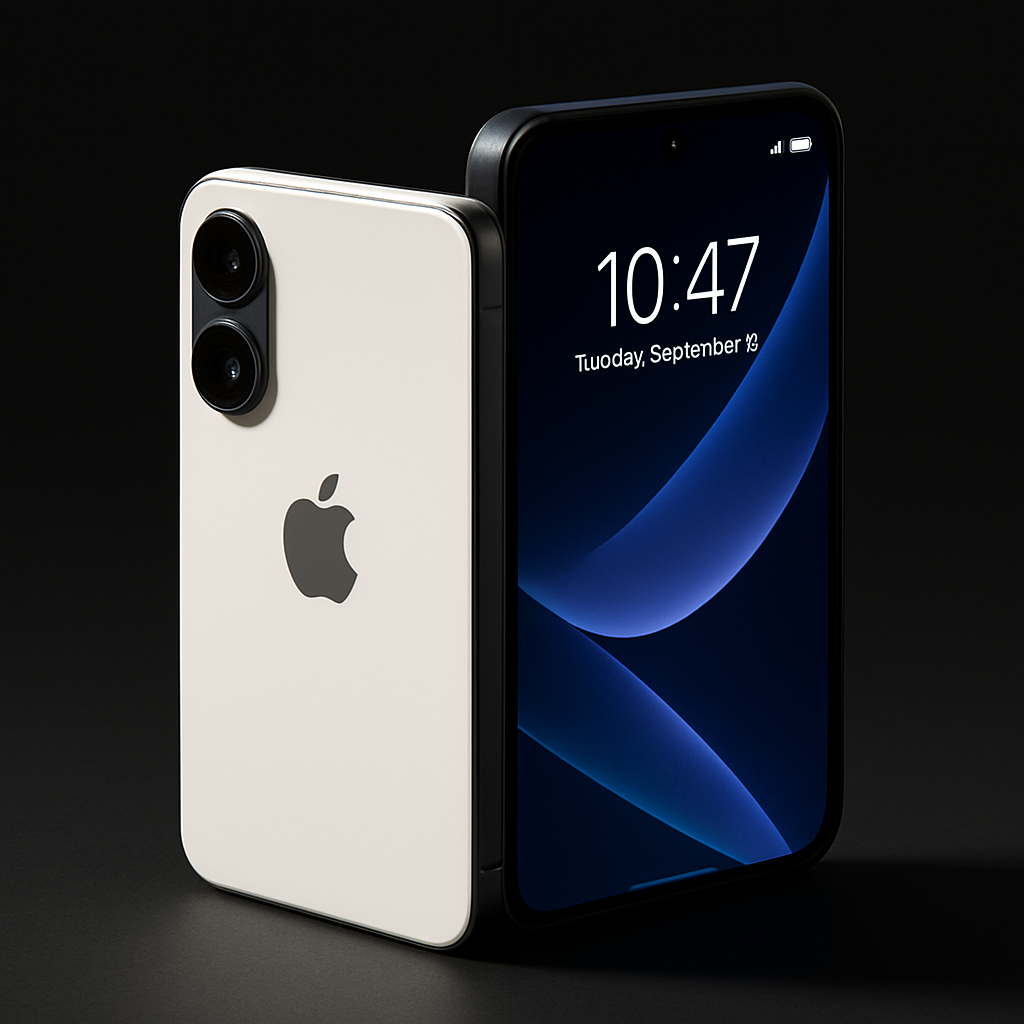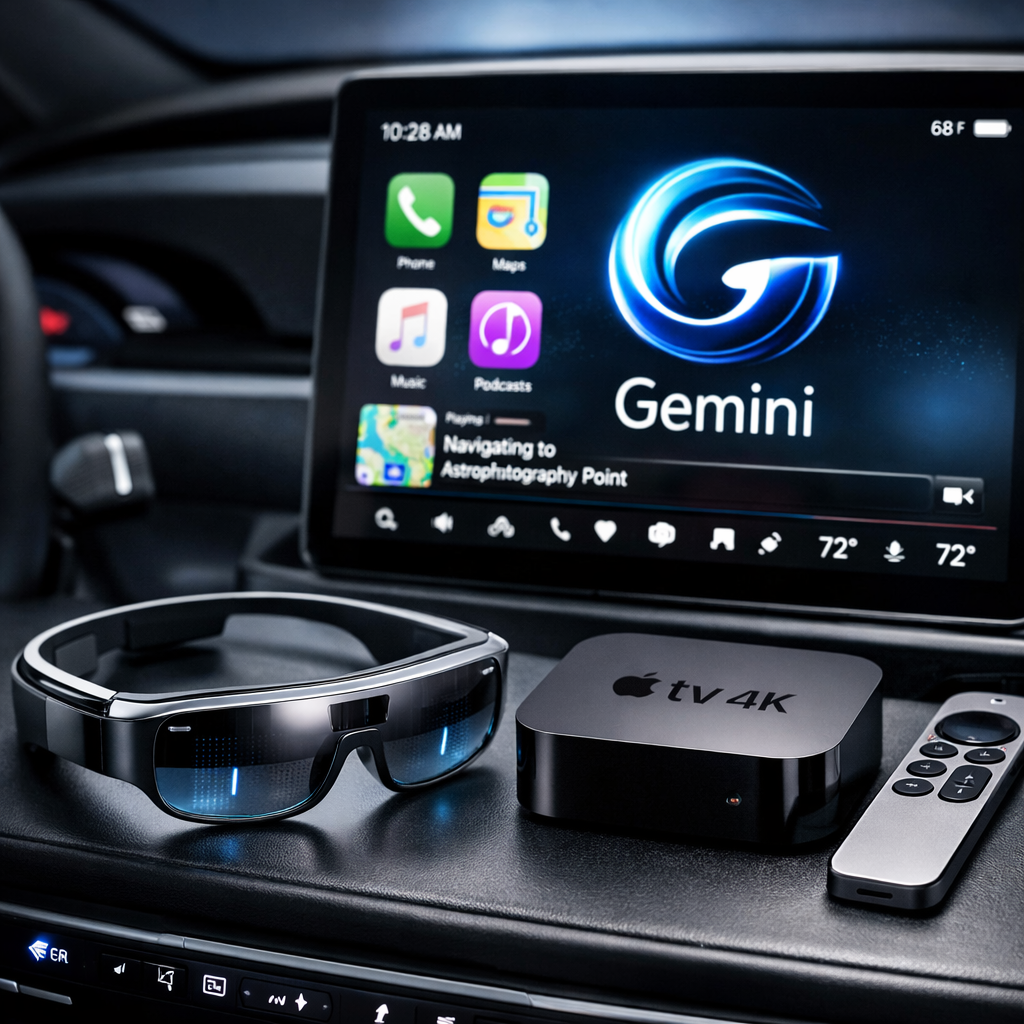
Today’s top developments out of Apple and its ecosystem include the global launch of Gemini on CarPlay, fresh details on the new Apple TV 4K’s upgraded hardware but frustrating app limits, and a better picture of the upcoming Siri-powered smart glasses.
Google’s Gemini Rolls Out on Apple CarPlay
Google has officially brought its Gemini chatbot live to Apple CarPlay worldwide. Gemini’s full Live conversation experience is now accessible via CarPlay—once users update the Gemini app on their iPhone, grant microphone permissions, and use Gemini Live at least once. From there, the Gemini icon shows up in CarPlay’s display, ready for both new chats and ongoing conversations. Previously, CarPlay offered limited Gemini support through Google Maps, but not via the full app until now. With this move, CarPlay now supports nearly every major AI chatbot—including ChatGPT, Meta AI, Claude, Perplexity, and Copilot—making this one of the biggest expansions of voice and assistant tech in the car.
Apple TV 4K Gets Hardware Boost—But Software Holds It Back
The 2026 Apple TV 4K ships with double the RAM of the previous generation—8 GB—and a new A19 chip paired with 128 GB of storage. Sounds like a leap forward, especially for gaming. But the reality for developers and gaming fans is more mixed. Apple’s tvOS continues to enforce a 2 GB RAM limit per app; exceeding that causes the system to force-quit the app. The same cap applied to the older 4 GB model. Streaming apps generally fly by under this limit, but resource-hungry games hit the ceiling too soon.
Storage has limits, too: apps must stay below ~4 GB bundles, though extra game assets can hang around as background assets amounting to ~20 GB. Despite guesses that the extra RAM might be reserved for Siri AI features or future software updates, there’s no indication that Apple acknowledges a planned lift of these limits—yet.
Siri Smart Glasses: First Look, Timeline & Designs
Apple’s long-rumored smart glasses, designed around Siri AI and the Apple ecosystem, are expected next year. The current plan is to introduce them at WWDC 2027, with retail availability slated for late 2027. While they won’t run apps directly, the glasses will lean on nearby iPhones for most app-driven functions. Wi-Fi support may offer some standalone functionality, but only as a fallback.
Design-wise, prototypes are reportedly thinner than Meta’s second-gen Ray-Bans. Camera modules are housed flush in oval openings within the frame, avoiding protrusions. A front-facing LED will show when the device is active or charging, with extra privacy features under exploration. On the audio front, Apple is pushing for “industry-leading” sound. A key part of the package is broad third-party app integration powered by updates in iOS 27.3—Apple’s latest steps toward opening up Siri beyond shortcuts.
Why These Moves Matter
Wheels in the AI & wearables landscape continue to turn—and fast. Gemini’s CarPlay arrival closes one of the last major gaps in hands-free conversational AI behind the wheel. The Apple TV story illustrates a familiar tension: bridging hardware capabilities with the software policies that limit them. And the smart glasses preview shows Apple doubling down on a world where the voice and AI replace screen-based interaction.
For developers and users, what to watch in the coming year: will Apple lift the RAM caps to unlock true gaming vision for Apple TV? Can third-party software on the glasses hit the same level of polish as what’s expected in headset AR? How effective will Siri become under pressure from rivals already moving aggressively into wearable AI? These builds are a reminder that in today’s Apple world, progress isn’t just about what you ship—it’s about what you actually enable.