Apple recently revealed that over 100,000 apps have been developed using the iOS 27.1 SDK, which means they’re built specifically with the iPhone Duo in mind. But for many users, that number doesn’t necessarily translate into seamless, fully optimized experiences across both displays. Dive in to see where the apps truly stand.
Three Categories, Three Experiences
On the iPhone Duo, apps fall into one of three camps:
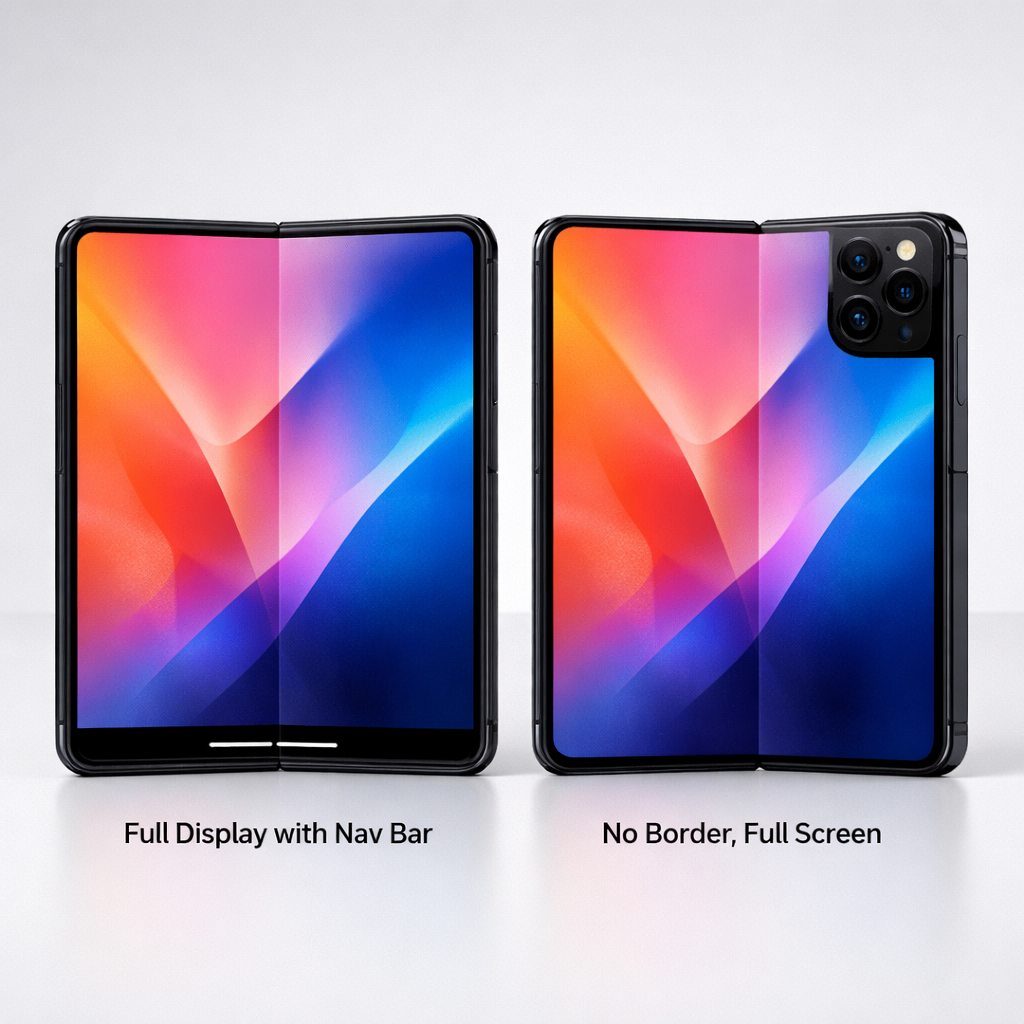
- Best-case scenario: Apps here are using the iOS 27.1 SDK. They span both displays fully—inner and outer—and include vertical navigation bars placed along the side for convenient one-handed use. These apps also play nicely with features like Split View for multitasking. Google Maps is one example that’s adjusted perfectly for the full Duo experience.
- Middle ground: This group includes apps built with the iOS 27 SDK. They can fill most of the inner display, but fall short of reaching full potential. Navigation controls won’t shift to the side, and you’re likely to see a black vertical bar where the status bar remains. Their outer display presence might also be cramped or uneven.
- Poorly optimized: Apps built with older SDKs or ones unupdated recently fall here. They either ignore the Duo entirely or display like legacy iPhone apps—surrounded by large black borders or showing up primarily on one screen. Big-name apps like PlayStation, Xbox, Nintendo, and even Football Manager 27 are among them. Some essential tools, like NHS’s app (in the UK), still haven’t adapted.
SDK Choices Shape the Future
Apple made its iPhone Duo SDK support available with Xcode 27.1 in mid-September 2026, slightly more than a month before the device hit shelves. Apps developed using that SDK are the ones pulling off the “best-case” visuals and control layouts. Meanwhile, apps using iOS 27 are better than pre-27 versions but still often feel like compromises.
The driver behind these differences isn’t just technical capability—it’s incentives. Many major developers and companies haven’t updated their apps for Duo, likely due to its relatively small user base compared to standard iPhones. So lots of apps remain stuck in that middle or even low tier, simply because there’s no urgency or resource allocation to prioritize Duo-specific adjustments.
Why the Count Doesn’t Tell the Whole Story
Saying “100,000 apps are Duo-ready” sounds impressive, and it is a solid start. But that number only reflects apps built with the newest SDK—not how they perform day to day. For users, what matters is how many of their everyday apps offer the polished experience that took advantage of the Duo’s unique hardware: edge-to-edge displays, adaptive layouts, navigation shifted to the side when appropriate.
Apps stuck in the middle or worse create a disconnect: everything from viewing content to using navigation tools ends up feeling underwhelming. And unless developers make further updates—especially those in middle and poorly optimized tiers—there’s the risk of the Duo being perceived as a device with great potential waiting to be unlocked.
The road ahead matters because early impressions can define whether the iPhone Duo becomes a beloved new form factor like Apple Vision Pro promises or just another niche experiment. To reach its potential, the Duo needs more than just SDK compliance—it needs every major app to make full use of its displays and interface unique features.