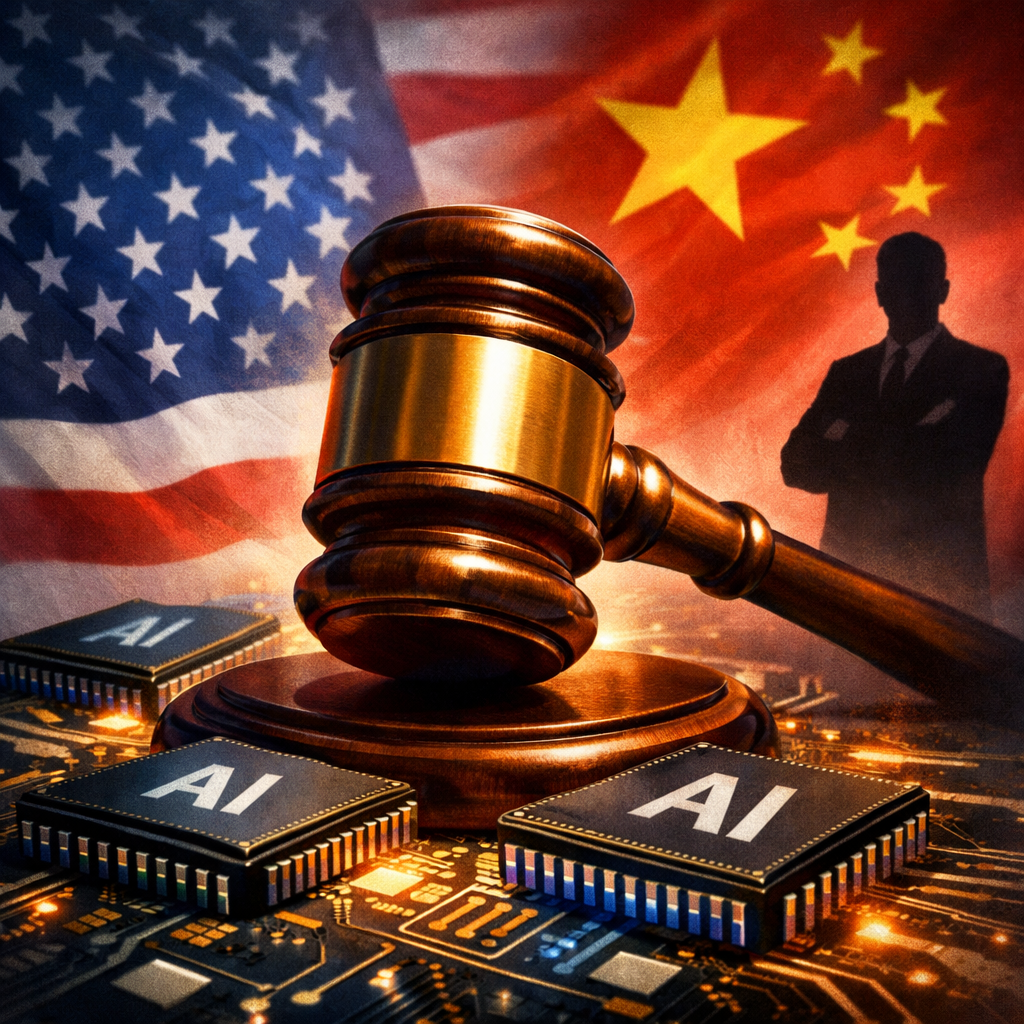
A group of senior Senate and House Democrats has initiated a formal inquiry into how Nvidia’s chip exports to China were approved during the Trump administration, accusing the administration of enabling a revenue-sharing deal that may have violated federal law.
What sparked the investigation
The inquiry stems from allegations that a deal between Nvidia and President Trump allowed sales of the company’s H200 chips to China, so long as the chips—manufactured in Taiwan—were first shipped to the United States. Once on U.S. soil, the administration reportedly imposed a tariff, effectively extracting a portion of Nvidia’s revenue from those sales. Afterward, the Commerce Department, under Secretary Howard Lutnick, issued an export license facilitating the transaction.
Adding to the controversy are recent revelations concerning Nvidia co-founder and former CEO Jensen Huang’s personal life. He resigned after admitting to an extramarital affair—purportedly with Alice Huang, who U.S. officials believe may have acted as a Chinese spy. Accusations surfaced that White House officials were informed of this prior to approving further chip sales involving her employer, Megaspeed—a Singapore-based Nvidia customer alleged to play a role in channeling Nvidia hardware into China.
What the Democrats’ letter alleges
Representatives Richard Neal (D-Mass.) and Senator Ron Wyden (D-Ore.) are leading the investigation. As top Democrats on their respective tax and finance committees, they’ve sent a letter to Commerce Secretary Lutnick demanding he preserve documents related to the deal. They question various facets of the arrangement, including whether export licenses were granted despite knowledge of potential espionage risks related to Alice Huang, and whether entities without legitimate addresses were still approved for chip purchases.
The letter also probes whether Nvidia’s sizable financial backers of Trump’s personal projects played a role. Specifically, it notes that after the affair came to light and Megaspeed’s involvement was scrutinized, Nvidia allegedly donated $26 million toward Trump’s initiatives—raising questions about whether those dollars were tied to influence or suppression of public scrutiny.
Concurrent Republican-led investigation
This Democratic inquiry joins an earlier, Republican-led probe. Multiple House committees focused on China, foreign affairs, and intelligence have already requested that Jensen Huang testify in closed-door sessions. After resigning earlier in the week, he has now agreed to do so, avoiding a subpoena.
The Democrats emphasize that while export licenses and revenue sharing were publicly disclosed—Nvidia and AMD reached a deal in August 2025 to share 15% of China-bound chip revenue with the U.S. government—the timing and conditions of these arrangements, along with what knowledge Trump’s administration had at each step, are under intense scrutiny.
Why this matters
The unfolding investigations touch on several alarming issues: the integrity of export licensing processes, potential influence or quid pro quo in politics, national security risks posed by possible espionage, and whether constitutional limits on revenue collection were breached. Questions also loom around how corporate transparency and personal misconduct intersect with policymaking.
Background context: Nvidia, founded by Jensen Huang, is one of America’s leading AI hardware companies. Its chips—especially advanced AI accelerators—are critical both for tech advancement and national security. Recent U.S. export controls have sought to limit China’s access to technologies with military applications. Meanwhile, export licenses are tightly controlled by the Commerce Department.
Democrats in Congress do not currently have subpoena power here—but preserving records and conducting thorough oversight could expose legal or ethical violations. The investigation’s findings could affect future administrations’ regulations on export taxes, foreign influence, and corporate-government relations.
What to watch: how Secretary Lutnick responds, whether documents are preserved, and whether the Justice Department or intelligence agencies become involved. Future hearings—public or closed-door—may shape not just Nvidia’s path forward, but U.S. policy tying export licensing with national security. The growing overlap of personal conduct and public responsibility remains a defining front in tech oversight.