Googlebook’s app lineup may still be modest since its launch, but engineers at Google are already pushing the platform forward with clever utilities that borrow heavily from macOS design staples. Three standout apps—BentoBox, Booklight, and Wayfinder—seen in a Reddit thread developed by Googlers via Antigravity, are pushing Googlebook’s desktop experience in new directions.
Making the Status Bar Actually Useful
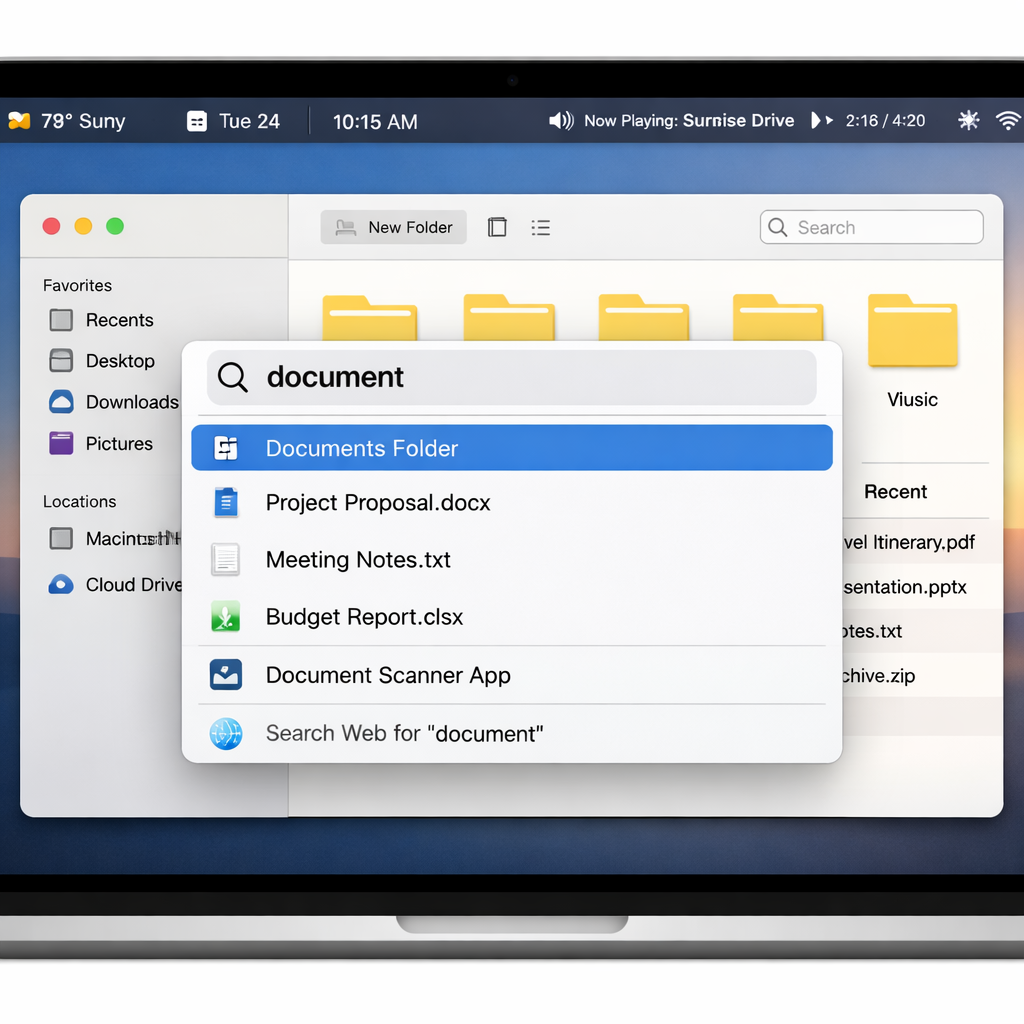
BentoBox is a powerful new utility that turns Googlebook’s status bar into more than just a place for basic icons. Users can populate it with shortcuts, mini-apps, and informative widgets—think weather updates, battery charging speed, and timers. Even clipboard history is tucked in. Though it requires permissions like accessibility overlays to function, the app runs smoothly. BentoBox is available for free via the Play Store.
Search and File Browsing, Levelled Up
Booklight acts as a Spotlight-style launcher tailored for Googlebook. It lets users search across apps, settings, and the web, supports shorthand commands in a single sentence, resolves quick math on the fly, and helps find special symbols without needing to know their formal codes. While Googlebook already offers a search bar in the app drawer, Booklight adds polish and customization. It showed up on the Play Store but was removed in recent days.
The third tool, Wayfinder, is a more advanced file manager. It brings desktop-grade features like network file access for NAS systems, paired with a more capable UX than Googlebook’s built-in Files app. Wayfinder rounds out this trio by tackling functionality gaps in Googlebook’s storage and navigation tools.
Behind These Apps & What They Signal
BentoBox and Booklight were created by Alexander Kuscher, Google’s VP of Laptops & Tablets. Wayfinder is also a Googler build. Their efforts demonstrate not just what the hardware is capable of, but also where Googlebook could go as third-party developers begin building more robust utilities.
That said, Googlebook’s app ecosystem is still thin. Key features are missing out of the box, and many users raise concerns about whether the platform has what it takes to attract a broad developer base—especially while sales are still scaling. It’s a chicken-and-egg problem.
These tools point toward Googlebook’s capable future: BentoBox makes the status bar a dynamic workspace, Booklight offers speedy, powerful search, and Wayfinder upgrades the way users access files. What remains to be seen is whether Google can push enough adoption, both from users and developers, to turn this promise into a rich, functional OS alternative.
Why it matters: These innovations aren’t just niceties—they address real gaps that limited Googlebook’s appeal. If third-party tools become a norm, they may redefine what users expect from lightweight laptop systems. What to watch: how Googlebook’s roadmap matches these dev-led advances, and whether similar utilities begin appearing beyond internal projects.