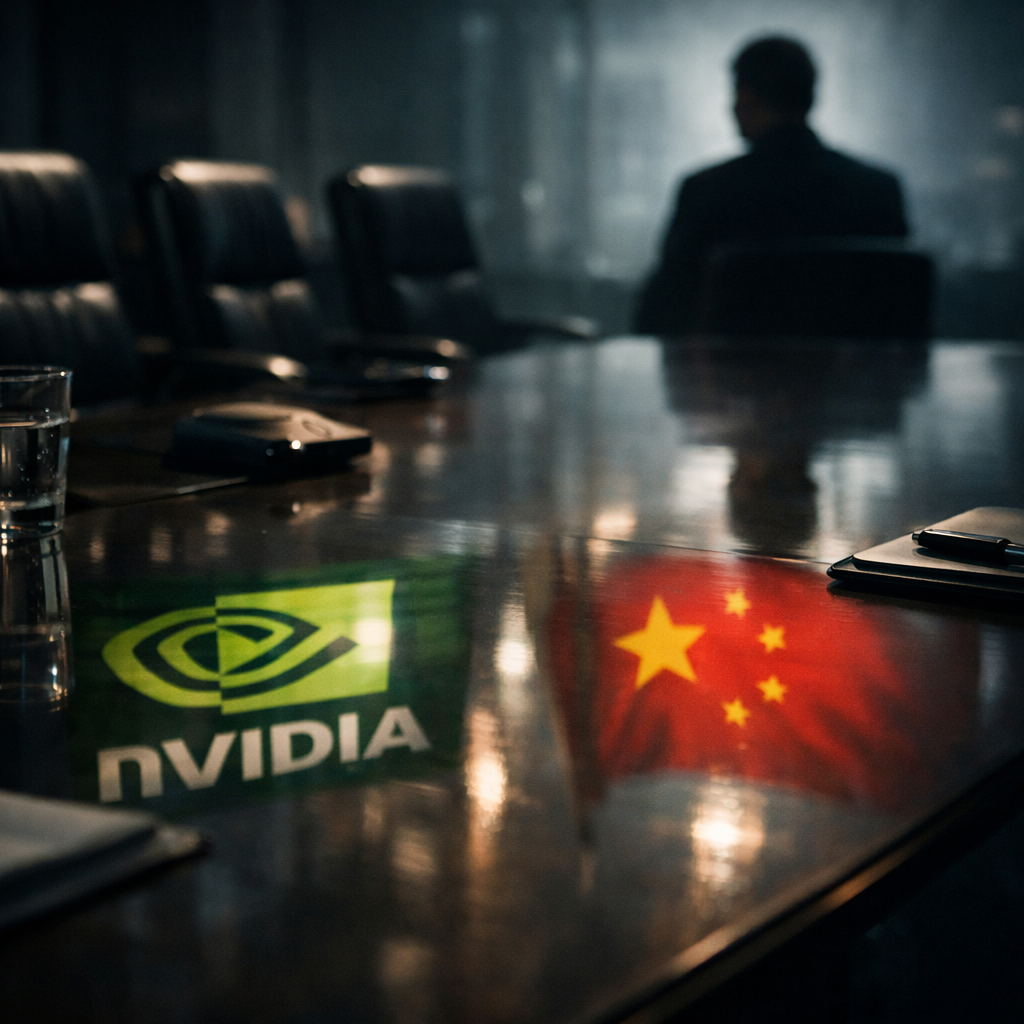
Nvidia CEO Jensen Huang faces what may be the biggest personal and professional storm of his career. The company’s board has launched an independent investigation after Huang admitted to being unfaithful to his wife—but the twist is that the affair was with Alice Huang, a Megaspeed executive whom U.S. officials believe has been acting as a spy for China. The scandal raises concerns not just about personal reputation, but about national security given Nvidia’s central role in the AI ecosystem.
Yale professor Jeffrey Sonnenfeld, a specialist in leadership and corporate governance, thinks the odds of Huang retaining his job are about even. He described the situation as “remarkably poor judgment,” and said that even in corporations where mistakes are less high-profile, such conduct would typically lead to termination. Sonnenfeld pointed out how much trust Huang had built over decades, saying it will take something akin to being deceived—and demonstrably so—for that trust to be salvageable.
Ghosts of Precedents and Leadership Gaps
Cases like Mark Hurd’s at HP—who resigned over a personal relationship misrepresented in expense filings, then entered a new CEO role outside that company—provide some analogues. But Nvidia offers no obvious fallback: Huang co-founded the company, has kept its leadership hierarchy extremely flat, and his family—including his children—is deeply involved in senior roles. Internally, there is no clear heir apparent.
The board of Nvidia—excluding Huang as a non-independent member—now faces a complex task. It must determine whether company secrets or high-tech know-how were compromised, and whether any such breach involved Megaspeed. U.S. intelligence believes Alice Huang may have fed information to China. The board will also need to review whether any hardware or IP passed through countries like Singapore in ways that might violate export controls. Meanwhile, the U.S. government, lawmakers, employees and major customers are watching closely.
What’s at Stake and What Comes Next
Nvidia isn’t just a semiconductor firm: it’s a linchpin in the AI infrastructure of countless companies. The firm is invested in or financially connected to many major AI organizations, including OpenAI, Anthropic, and others. In addition, Nvidia committed to backing large pools of capital—hundreds of billions of dollars over time—with global financial firms. A crisis at the top could cascade through funding, supply chains, customer trust—and the entire AI economy.
For now, Huang remains in place, as Nvidia made clear. Key dates loom: congressional demands for closed-door briefings and the release of quarterly earnings in mid November will add scrutiny. Sonnenfeld believes Huang may have to surrender control over daily operational tasks during this process. Adding to complexity: Huang does not hold special super-voting shares, which means he doesn’t have structural insulation from removal.
This moment may be remembered not just as a personal crisis but a turning point in how AI companies are expected to safeguard secrets and uphold trust. CEOs at edge tech firms are often unregulated relative to defense sector players. An incident involving an engineer at OpenAI—which involved a hidden recording device—underscores how exposed even the most advanced firms are.
Analysis: What happens next hinges on whether Huang convincingly demonstrates that he was misled—if he can show he was naive rather than complicit. The lack of a succession plan leaves Nvidia exposed if removal becomes unavoidable. The board’s decisions in the coming weeks around what was shared, what was hidden, and how to manage fallout among employees and partners will test whether a revered CEO can survive when reputation, security, and trust all meet what might be the ultimate breach of both personal and national norms.