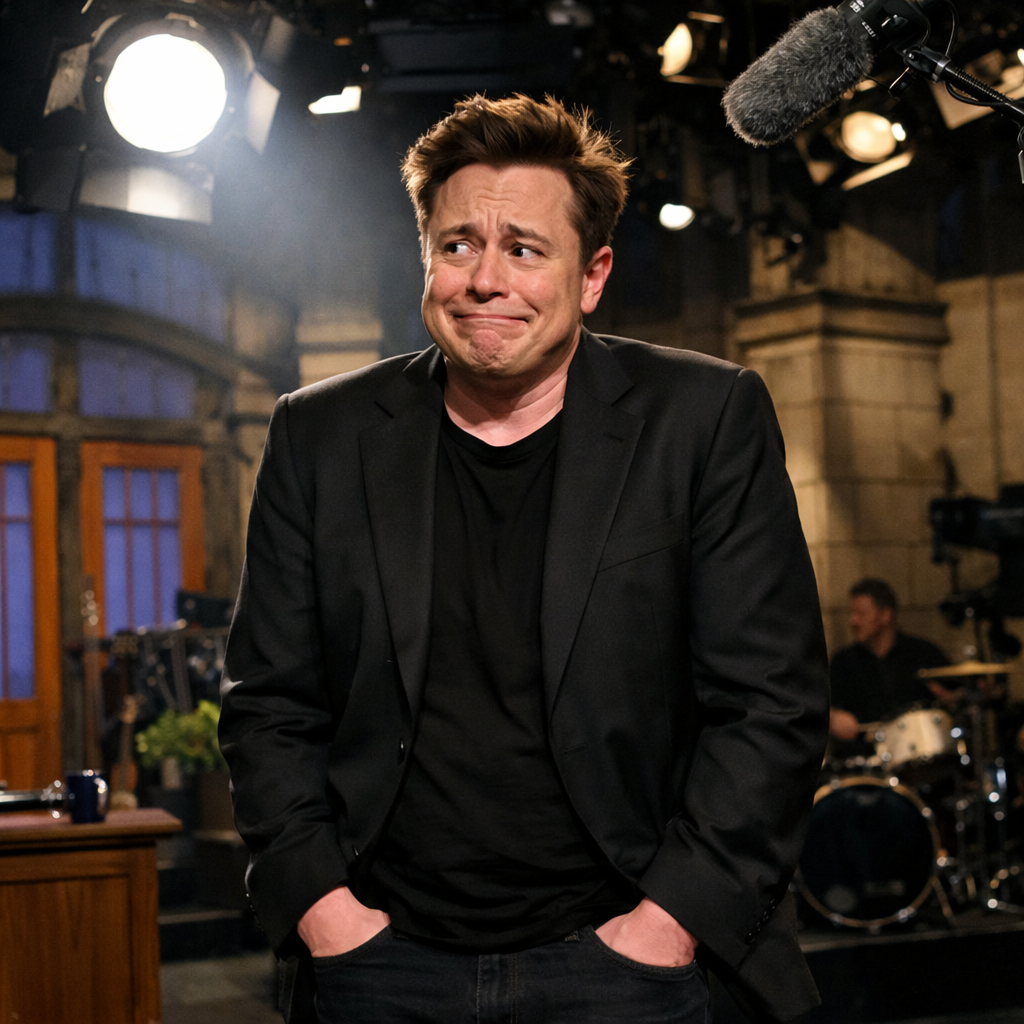
Last night, Saturday Night Live introduced a fresh take on Elon Musk, portrayed by Jeremy Culhane. Instead of Musk as an unapologetically egotistical figure, this version comes off as awkward, yearning for validation much more than fear. It follows a week stacked with missteps—including heavy campaign spending in the midterms and Musk’s decision to pause Cybertruck production. Culhane’s Musk staggers through Weekend Update, tries hard to laugh things off, and—yes—claims his car flipped.
Culhane’s Clumsy, Cringeworthy Musk
In a sketch, Colin Jost lays out Musk’s recent choices: relocating to Texas to escape California’s taxes, physically moving his companies there, even creating a town in Texas—only to find out it’s now run by Democrats. Musk’s reaction is simple: bad. But that’s just the setup. Later, Musk asks his own AI chatbot, Grok, to deliver a scathing roast. Grok obliges, calling Musk “the worst thing South Africa has ever done” and adding that with 100 more kids, he might finally get someone to actually talk to him.
SNL’s Broader Tech Roast Season
This isn’t the first time SNL has turned its comedic lens on tech executives. Earlier this season, Jane Wickline dropped an impression of Anthropic’s Dario Amodei as an AI doom prophet. Then came James Austin Johnson’s take on Kevin O’Leary, who, in character, defended data centers by joking about wanting to buy up swaths of pristine land and fill them with loud computers that threaten your job.
The new impression of Musk shifts the tone. Where previous depictions leaned more toward caricature, this one is tinged with vulnerability and desperation. The essence of the joke isn’t just Musk’s ego—it’s what happens when it’s bruised and falls short.
What this means: In a year where tech leaders have increasingly become punchlines, SNL’s fresh portrayal of Musk reinforces a trend away from admiration, toward skepticism. Audiences are beginning to expect less swagger and more scrutiny. As Musk continues to orbit headlines with broken promises, lawsuits, and social media blows, this version keeps it real—and sharply critical. Going forward, expect more of this tone: less idolization, more accountability.