Apple’s CEO John Ternus is reportedly pressing Craig Federighi, who oversees software engineering, to accelerate the pace at which Apple develops its software. These internal discussions come amid growing concerns that Apple is lagging behind competitors in the race to build advanced AI-powered tools and features. The push aims to shift Apple’s software strategy from incremental updates toward more ambitious, forward-looking projects.
Federighi, known for his detail-oriented and hands-on leadership style, has in recent weeks reportedly been asked to move beyond tidy improvements to Siri and place greater emphasis on strategic, long-term AI products. Ternus perceives a need for more urgency to match or exceed advances by rival tech giants already making strides in generative AI, large language models, and other emerging fields.
Management Style Under Scrutiny
Some engineers and designers at Apple feel that Federighi’s strong influence over major decisions limits opportunities for alternatives to rise. His approach tends to favor in-depth debates and close engagement with teams, which has been credited with consistency but also criticized as making room for fewer new voices. Ternus appears intent on loosening that tight grip to allow other leaders within Apple’s software org more autonomy.
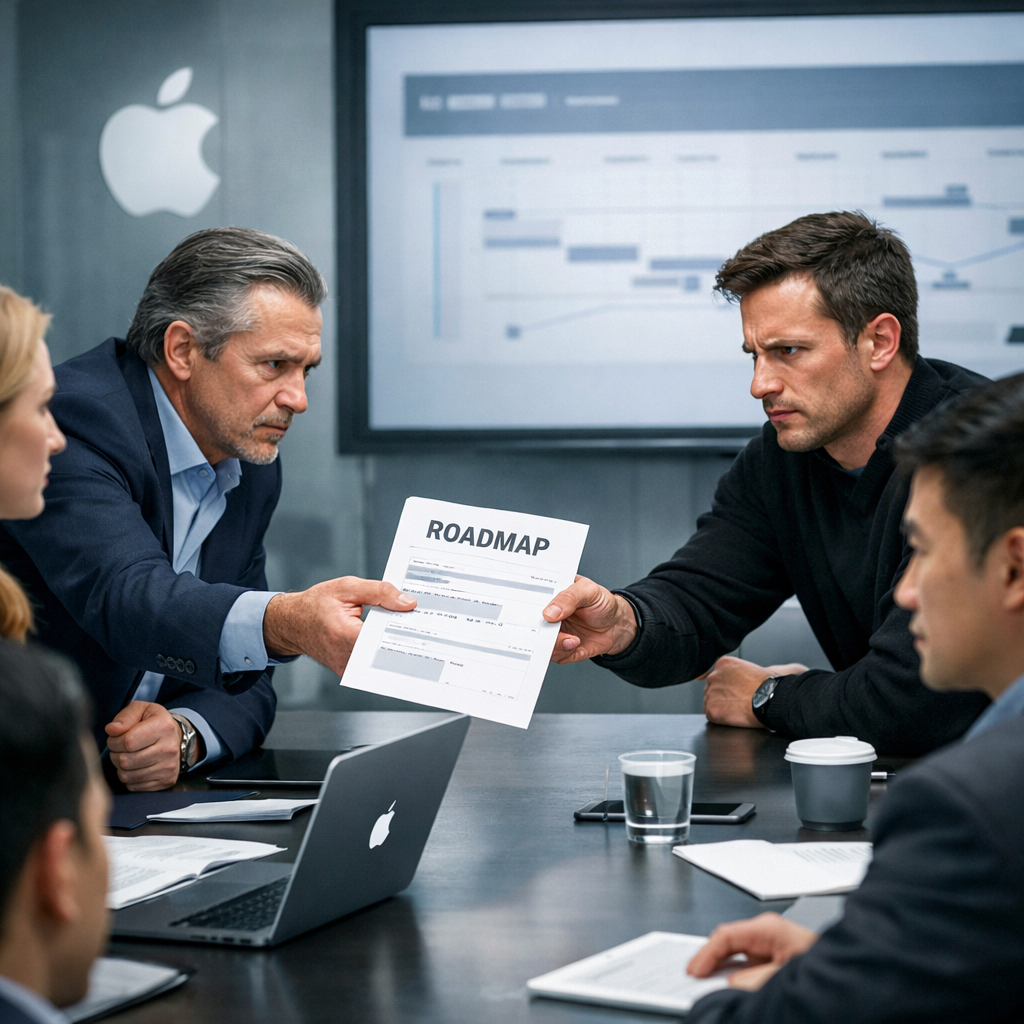
Another issue cited by insiders is the difference in planning horizons: Federighi reportedly focuses on 12- to 18-month roadmaps, while hardware engineering looks several years ahead. That narrower window, critics say, may stifle ambitious software breakthroughs. Enhancing the pipeline to facilitate longer-term projects could be part of the coming changes.
Other Shifts: Rockwell’s Possible Departure & Process Changes
Alongside this leadership tension, Mike Rockwell, who played a large role in both Vision Pro and Siri AI, is said to be seriously considering stepping down from his VP role—or leaving Apple altogether—sometime in the coming year. Rockwell’s departure could accelerate changes to Apple’s AI efforts, especially after delays in delivering new Siri features.
One idea under consideration is giving engineers more freedom and extra time to explore, particularly by reducing burdens associated with integration and dependency management. According to internal reports, Apple is testing a revamped engineering pipeline that could provide around 50 percent more coding time to unlock greater experimentation. This may help drive more innovative outcomes rather than incremental risk mitigation.
Ultimately, these shifts could lead Federighi to relinquish some control over key decisions, enabling a broader set of leaders to shape Apple’s software strategy. The goal seems to be balancing Federighi’s technical rigor with more muscle and speed in delivering AI and software across Apple’s platforms.
Why this matters: Software is increasingly central to Apple’s competitive position. As rivals rush to cement leadership in generative AI, control over software architecture, feature velocity, and talent has never been more strategic. If Apple fails to speed up, it risks ceding ground in next-generation AI assistant, voice agent, and related technologies—areas its customers are watching closely.