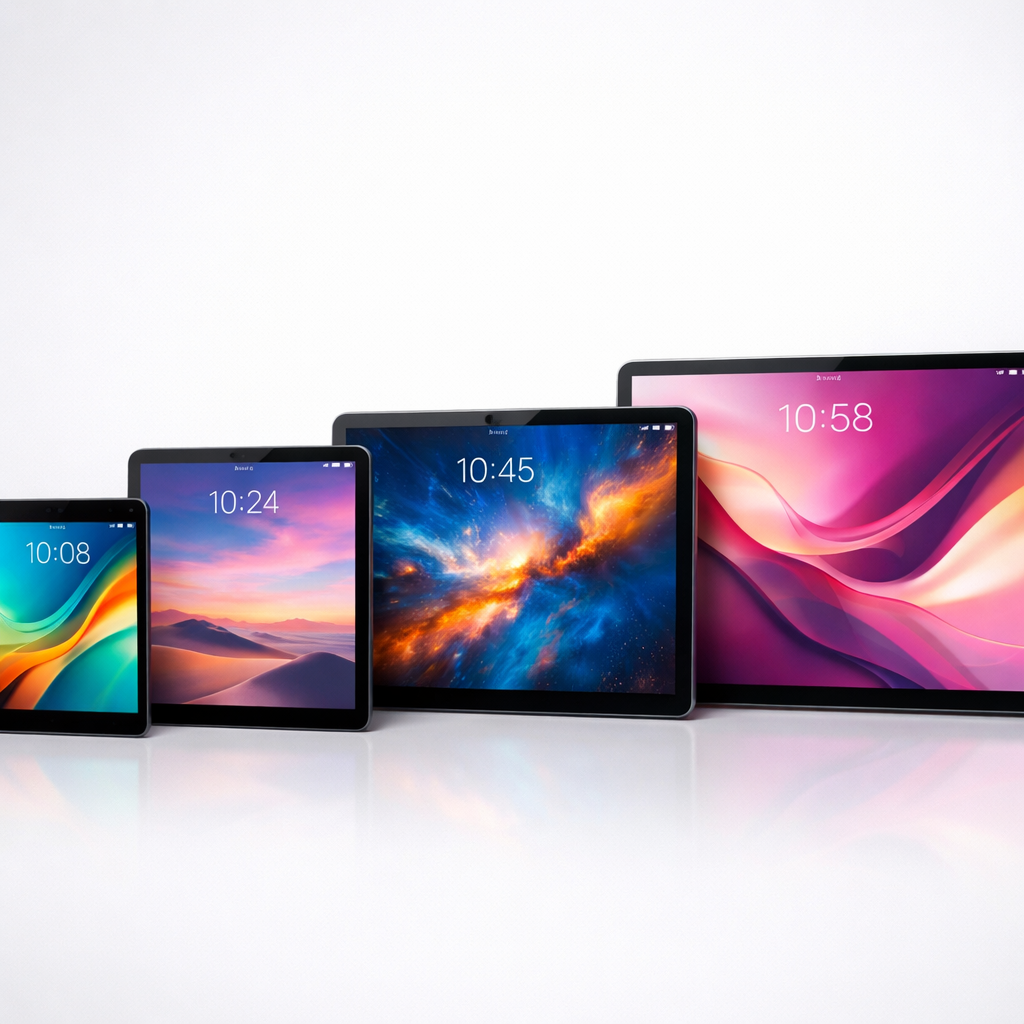
Android tablets, after years of feeling sidelined by supersize phones and dominant iPads, are showing signs of resurgence. Recent flagship launches from Samsung, Lenovo, Amazon and others point to renewed industry faith in the tablet as a viable form factor. But for many users, the question isn’t just whether tablets are back — it’s whether today’s Android slates actually match their use cases.
What’s Changed in the Tablet Landscape
The Android tablet category is undergoing something of a renaissance. Despite past perceptions that tablets were stagnating, device makers have unveiled high-end slates with powerful components, better displays, and fresh designs. Sales data show growth across the sector before supply issues (often dubbed “RAMageddon”) tightened production. While Apple continues to dominate mindshare, Android brands are capturing more market share than in past years.
Recent launches have skewed toward larger screen sizes. Samsung’s Galaxy Tab S Ultra line stays alive with even bigger displays, and Lenovo’s offerings tend to favor high-end tablet models for its larger zones. Amazon’s Alexa Tablet family leans into the large “Pro” model with premium display features, while the smaller models in its line fall noticeably behind in build and screen quality.
Who These Bigger Tablets Are Good For — and Who Still Prefers Small
For many users, a big Android tablet is no substitute for a laptop — too heavy, less portable, and often misaligned with powerful multitasking or desktop-class productivity. Those who travel lightly tend to favor 10- or 11-inch tablets: large enough for reading and media, small enough to carry.
But some recent Android tablets offer legitimate value when used in place of a laptop. Devices like the Alexa Tablet 12 Pro, priced around $550, and the Lenovo Yoga Tab Plus Gen 2—modeling a premium 4K screen at $799—bring big-screen experiences without charges of overpaying if size and features match your priority. Others, like the flagship Galaxy Tab S12 Ultra paired with accessories, jump to premium laptop price brackets.
What Users Are Asking
Are you buying one of these large tablets? Which size feels right for you? Many are using Android tablets for media, reading, and watching videos. Some with models like the Tab S Ultra cite using them as laptop replacements thanks to their screen real estate and performance. But heavier weight and higher costs push some users back toward smaller devices or traditional laptops.
The trade-offs between screen size, portability, and price remain central. Smaller tablets offer better travel convenience; larger models offer more productive workspace but demand higher spending and more commitment to lugging one around.
What this means going forward: Android tablets may no longer be niche, but they’re still finding their identity. If you value portability, a mid-sized display supports most casual use. But if you want creative work, drawing, editing, or laptop-like setups, newer Ultra and Pro models are becoming compelling. Brands seem to believe in the big-screen future. Now the question is whether users believe in it too.