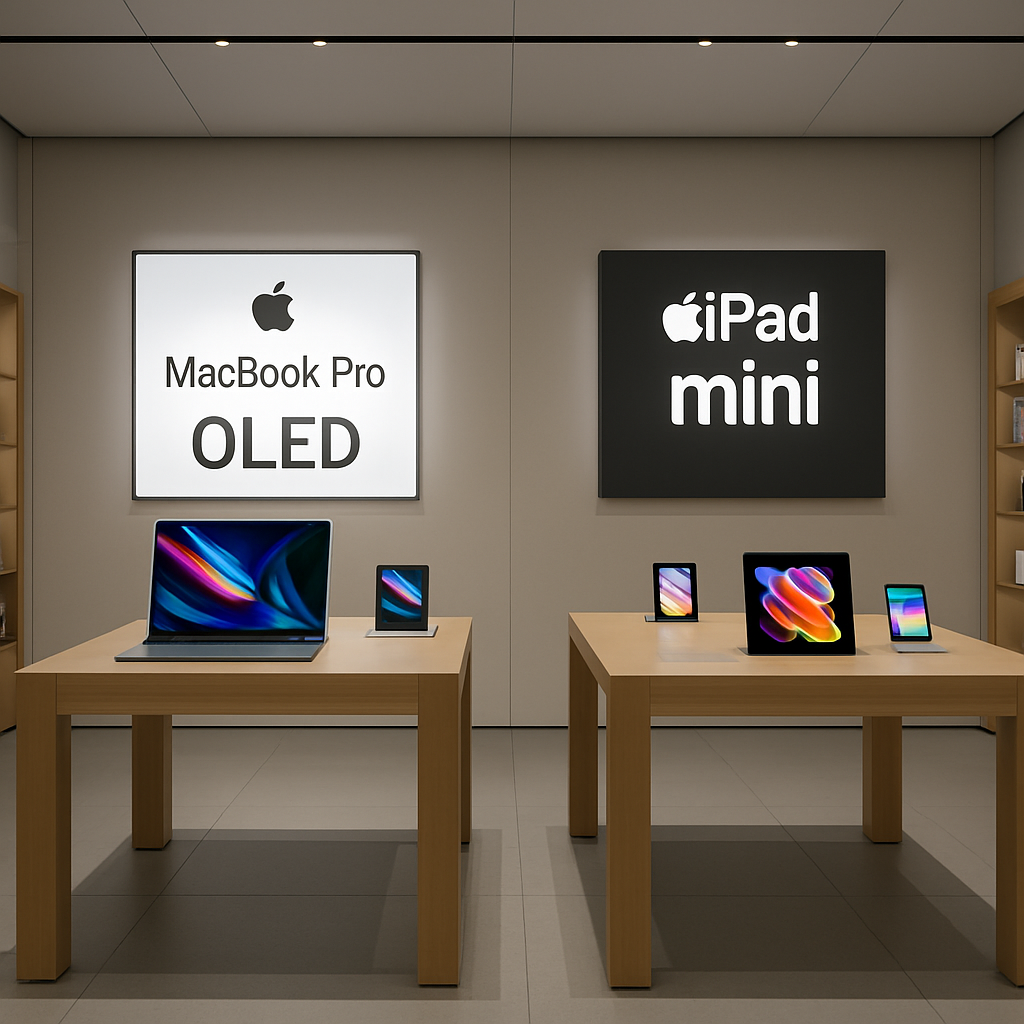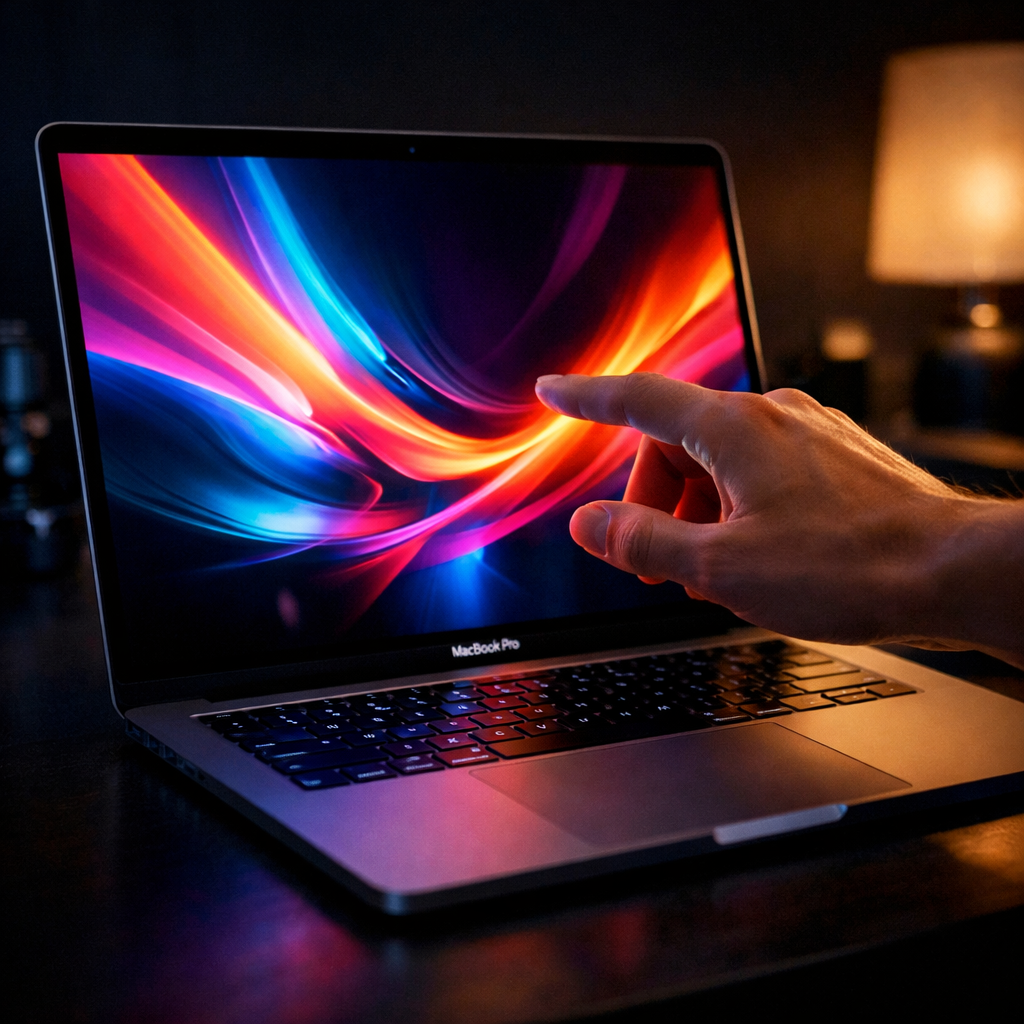
Apple’s new PROLED MacBook Pro lineup, now on sale, adds touchscreens to its premium tier—but it’s unclear who will benefit enough to invest. These machines start at $2,899 for the 14-inch and $3,399 for the 16-inch model, yet share core components like the M5 Pro or M5 Max chips, memory, and SSDs with standard MacBook Pros. The biggest hardware upgrade is the PROLED OLED panel and the inclusion of touch support. Even then, subtle changes to things like speakers and cooling are among the few differences distinguishing them from their predecessors or equivalents.
Marketing Touches: Who They’re Aimed At
In Apple’s promotional material, these laptops are shown in action by videographers, musicians, graphic artists—and notably, creators indulging in AI tools. All of them interacting directly with the screen, swiping, tapping, scrubbing through video or audio timelines. The message is clear: touch is now part of the product’s identity. But while these demos look polished, they raise the question—how many users actually want to ditch trackpad gestures and keyboard shortcuts in favor of touch behavior?
Some argue Apple is targeting younger users who’ve grown up swiping on iPads or editing content on iPhones. The idea is that this generation expects touch in everything. But that logic runs into a hard truth: these models are far from affordable. For many, a MacBook Air, MacBook Neo, or an entry-level MacBook Pro makes more sense. It’s doubtful that a teenager or casual user will spend nearly $3,000 for a touch display when lighter, less costly laptops offer many of their needs.
Feature, or Gimmick?
Touch on the PROLED MacBook Pro is optional—you can choose not to use it. It coexists with macOS’s current interface, which hasn’t been redesigned to rely on touch. Things like closing windows or opening menus via touch are possible, but they require adapting to controls and interactions built for keyboard and trackpad. For many users, these will be novelty features rather than daily tools.
What remains unshakeable is that, aside from the touchscreen addition, the PROLED MacBook Pro is everything we expect: strong performance, excellent OLED visuals, powerful chips, and a sleek build. For demanding workflows—video editing, high-end creative work, AI applications—these machines will be among Apple’s best. But for most people, including many creatives, the question becomes whether touch is mission-critical enough to justify the premium over existing MacBook Pros.
Right now, saying someone should buy a PROLED MacBook Pro feels like catering to a small slice of users: those who truly will use the touchscreen long term, appreciate its display upgrades, and can afford the price. The rest will likely stick with what they have—or wait until the next generation delivers touch more meaningfully integrated.
Why this matters: Apple isn’t just adding a feature, they’re testing customer appetite. If touch becomes more central in future designs, workflow tools, and macOS itself, this model could be a stepping stone. But as things stand, the PROLED touch MacBook Pro sits in a limbo—impressive tech, premium cost, uncertain demand. What to watch: reviews that focus on usability long term, whether Apple updates macOS with touch-first interactions, and whether this partition between standard and PROLED models widens.