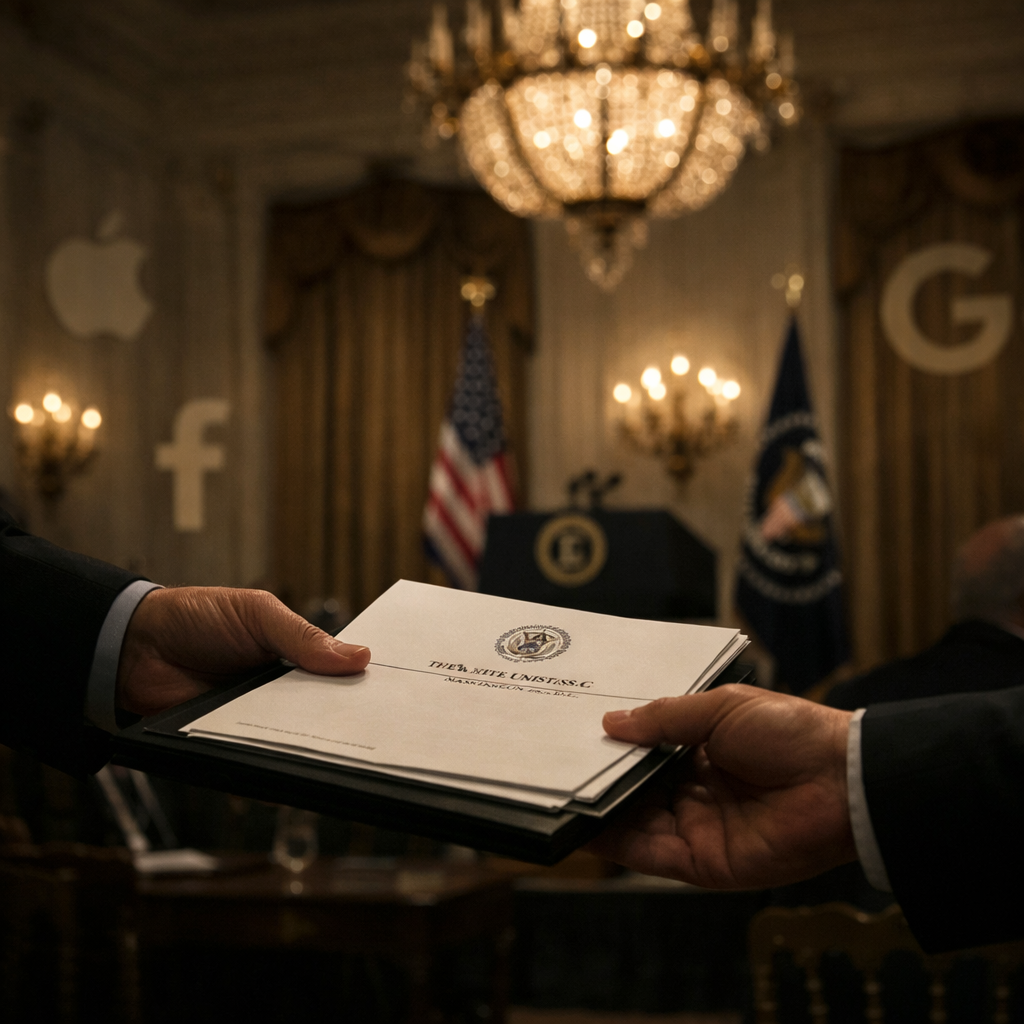
A newly empowered Senate committee is pressing Apple—and several other major tech firms—to hand over all documentation related to a $25 million donation to a proposed ballroom at the White House. The request comes from Senator Richard Blumenthal, who will assume leadership of the Permanent Subcommittee on Investigations in January 2027. The firms have been asked to comply voluntarily now, with subpoenas likely to follow if they resist.
What’s at Stake
The donation, initially reported earlier, has triggered renewed scrutiny with the shift in congressional power after the midterms. Alongside Apple, other tech giants like Amazon, Google, Meta, Microsoft, and Nvidia have also been pulled into the review. The subcommittee is specifically seeking internal records, communications, and any other materials tied to the donation and decision-making process.
Senator Blumenthal previously sent letters in 2025 requesting the same firms disclose similar donations, arguing that many donors might also have considerable financial or business interests before the administration. To date, the companies reportedly did not respond. The requests have likewise not drawn a response from the administration.
Next Moves & Implications
Once Blumenthal steps into his role in 2027, the subcommittee will have greater power to issue subpoenas, which could force tech companies to provide the documents. Should Apple or others fail to comply voluntarily, legal enforcement is expected. The review aims not just to confirm the donation amount—already reported at $25 million—but to uncover any conditions attached to it or motivations behind the contribution.
Despite reported groundwork already underway on the ballroom’s construction, the project appears poised to proceed rather than be canceled. If donors were to return the funds, public sources would need to cover the costs. Senior tech leaders have also come under broader scrutiny for how they interact with regulatory bodies, particularly around federal mandates they may feel pressured to comply with.