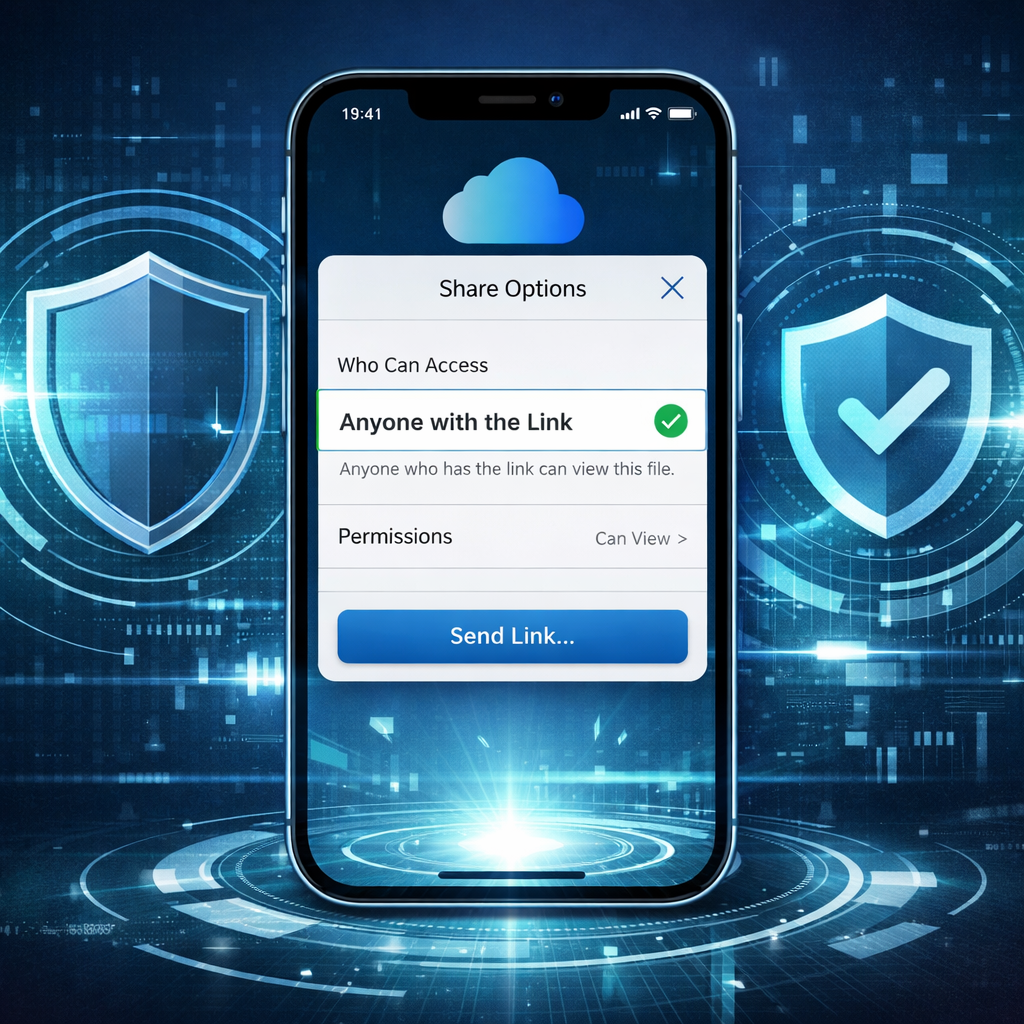
With its upcoming version 27.3 of iOS, iPadOS, macOS and visionOS, Apple plans to begin scanning photos and files that users share via public iCloud links—those labeled “Anyone with the Link.” This scanning will apply to content in iCloud Photos and files kept in iCloud Drive. The update, detailed in Apple’s support documents published November 3, 2026, stops short of inspecting every file in iCloud storage.
The distinction lies in how content is shared. Files set to “People You Choose” (which limits access to explicitly invited users) are exempt from these scans. Only items made accessible to anyone holding the link will be analyzed. This expands Apple’s surveillance of iCloud-stored material when it’s shared beyond a private circle—even if users have enabled Advanced Data Protection on their accounts.
How the Scanning Works and What Is at Stake
What constitutes as “harmful content” hasn’t been defined in Apple’s policy, nor has the company clarified how it will identify violations—whether via automated tools, human reviewers, or some combination. It’s also unclear if scanning occurs immediately upon link creation or only once someone attempts to open the shared link.
When content gets flagged, Apple claims it has broad powers. Items identified as harmful may be removed, modified, or blocked entirely. The company also reserves the right to disable user accounts, ban them from creating new ones with the same phone number or email, or even bring law enforcement into it. What’s still missing is detail on appeals, review thresholds, or how account restrictions will be enforced should false positives arise.
Privacy, Encryption, and Sharing Choices
Under the new policy, anything shared publicly via link won’t be protected by end-to-end encryption—even for users who have activated Advanced Data Protection. That security upgrade otherwise safeguards private content in iCloud. But once content is shared publicly, it becomes visible to Apple’s content scanning systems.
Users concerned about privacy are advised to select sharing options with more stringent controls. The “People You Choose” setting restricts access to invited or approved individuals and isn’t subject to scanning under this policy. It’s also not clear whether public links made before version 27.3 will be retroactively scanned or remain untouched.
This move addresses ongoing debates about how cloud providers balance user privacy and security responsibilities. Apple frames this only as a measure tied to public sharing, not a broad expansion into private storage. That said, the policy hinges heavily on users adjusting their sharing behaviors if they want to maintain strict privacy protections.
What this means going forward is that public sharing via iCloud links now carries more risk—not just from external visibility, but from Apple’s own content moderation infrastructure. Users should review sharing settings before distributing any public link. Looking ahead, more transparency is needed on what gets flagged, how false positives are challenged, and what rights users retain when Apple exercises these new powers.