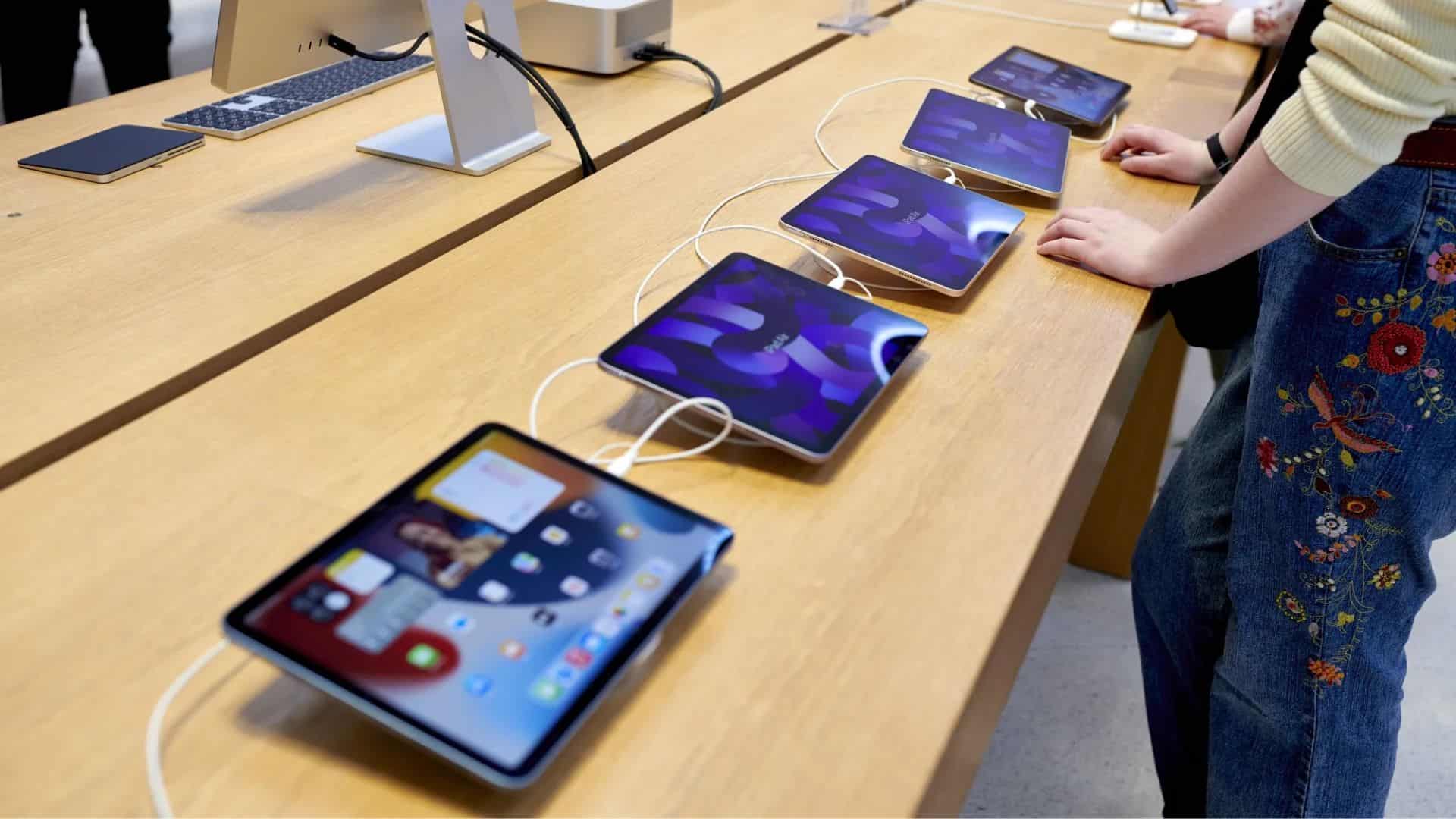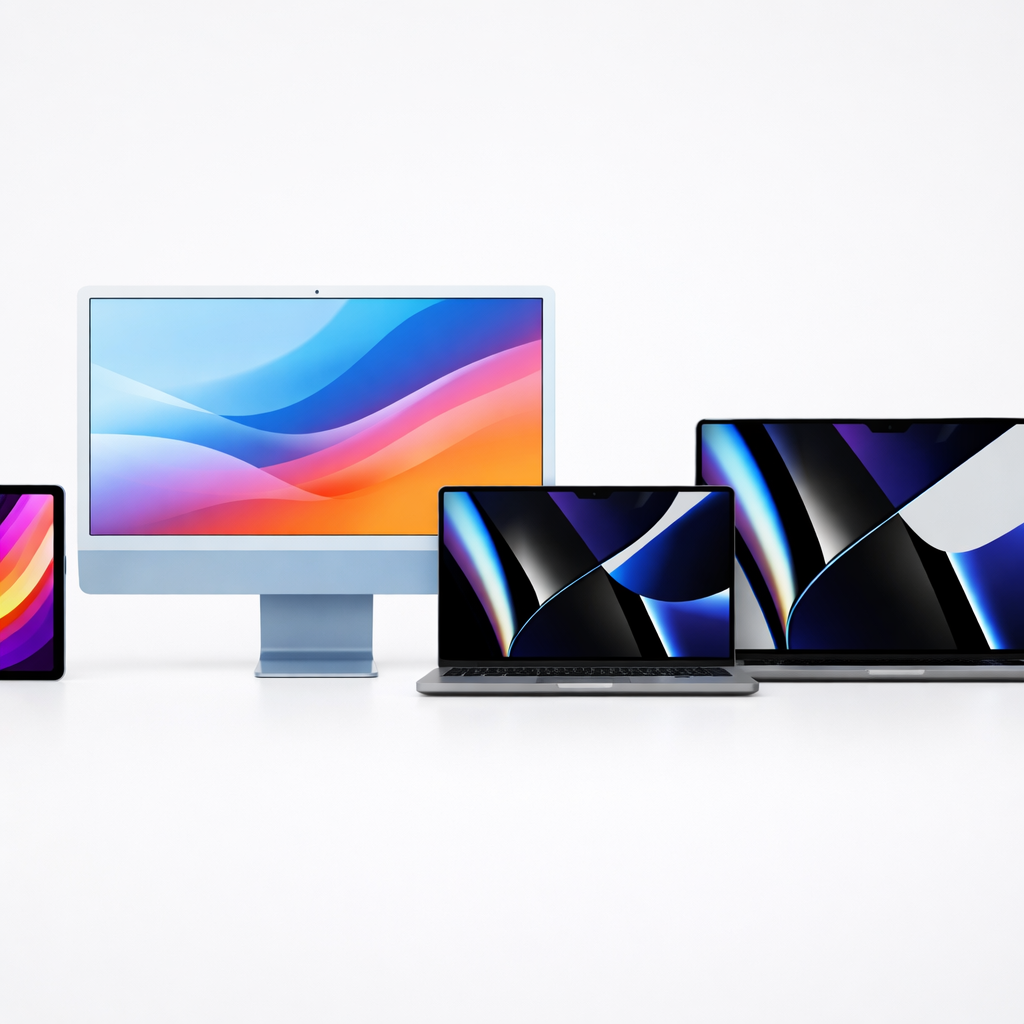
Apple is poised to launch five new devices tomorrow, November 6, marking a key upgrade across its Mac lineup and bringing fresh tech to the iPad mini. These releases follow pre-orders that opened last week and include Apple’s first ever touchscreen MacBook Pro models.
New Products Arriving Tomorrow
The slate of new launches includes:
- An OLED iPad mini featuring the new A20 Pro chip.
- An iMac refreshed with Apple’s latest M6 silicon.
- A 14-inch MacBook Pro that also gets the M6 chip.
- A 14-inch MacBook Pro with an OLED touchscreen display.
- A 16-inch MacBook Pro with an OLED touchscreen display.
Pricing and Availability Details
Prices range from $699 for the entry-level iPad mini to $3,399 for the upscale 16-inch OLED touchscreen MacBook Pro. Specifically, the iMac starts at $1,499, the standard 14-inch MacBook Pro with M6 begins at $1,999, while the 14-inch OLED touchscreen model is priced at $2,899. The 16-inch OLED touchscreen MacBook Pro rings in at $3,399.
Pre-orders remain open, and most models are expected to ship already on launch day. However, some exceptions apply: the base version of the 14-inch OLED touchscreen MacBook Pro in Space Black will ship in 3-4 weeks, and its Silver counterpart in 7-10 business days.
Why This Matters
This wave of new releases is notable for several reasons. First, Apple is introducing its first MacBook Pros with touchscreen OLED panels—a significant design shift for its professional laptop offering. Second, the move to the M6 chip for both the iMac and one of the 14-inch MacBook Pros signals a continued push toward performance and efficiency gains. Finally, updating the iPad mini with OLED and the A20 Pro chip reinforces Apple’s commitment to its smaller tablet form factor, offering premium advances to a model often overlooked between flagship iPads and the larger form-factors.
Altogether, these launches suggest Apple is doubling down on hardware innovation as we head into the holiday season. With higher-end Macs now offering touchscreen OLEDs and the power of M6 across more devices, consumers will have to balance feature trade-offs against rising prices. How customers respond to these changes—especially in terms of demand and satisfaction—will help shape Apple’s product strategy going forward.