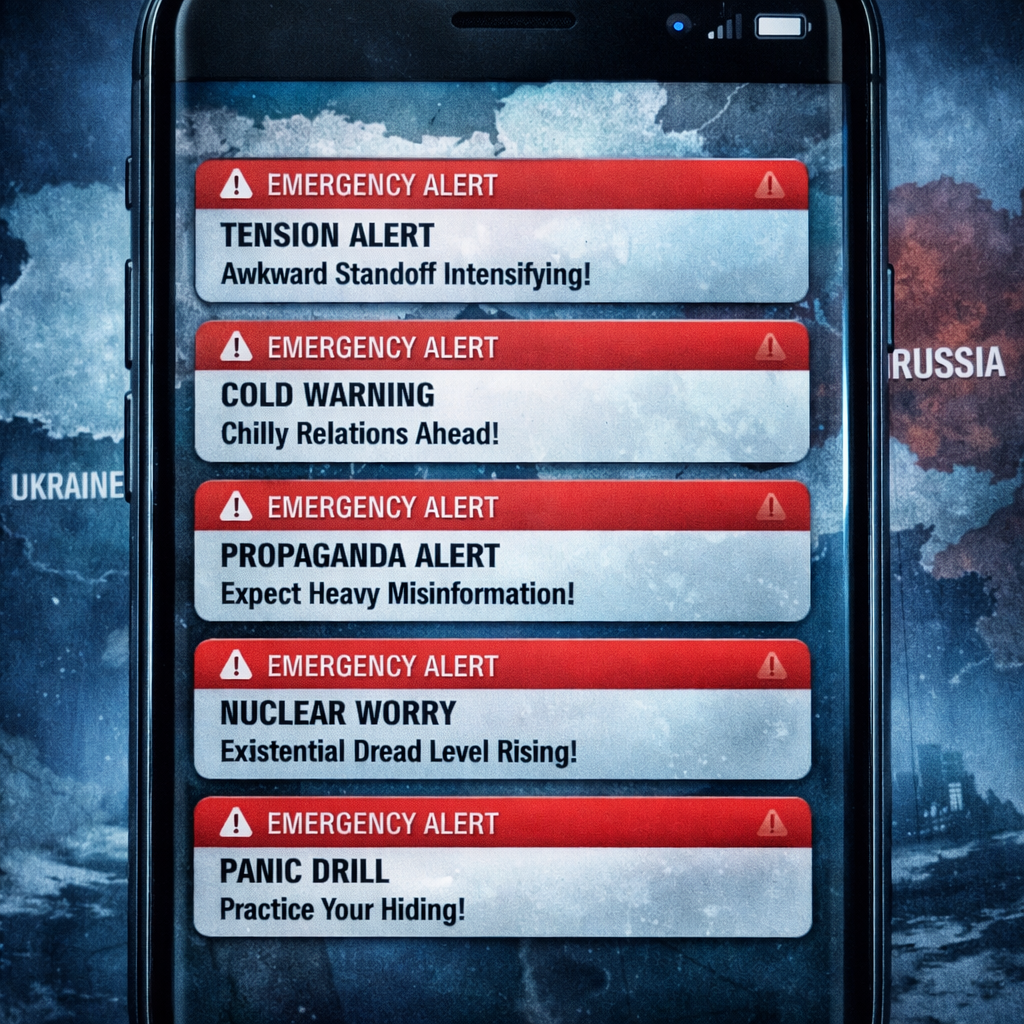
On the night of November 1 into November 2, emergency alert apps in Ukraine and Russia were breached and used to deliver misleading messages about nuclear attacks, chemical hazards, and radiation. The attacks tampered with public safety systems already under strain due to ongoing conflict, though officials confirmed that primary warning networks remained intact.
False alarms in Ukraine and Russia
Ukraine’s “Air Alert” app began dispatching erroneous alerts late Sunday. Kiev residents received notifications warning of elevated radiation, chemical dangers, and combat activity, some in broken English, others mixed with Russian and Ukrainian. The Ukrainian Air Force quickly reassured the public that no radiation risk existed. App operators acknowledged the intrusion and shut off push alerts while temporarily halting service. Citizens were urged to avoid clicking dubious links and to follow official channels instead.
Later, Russia’s Emergencies Ministry disclosed its own mass cyberattack against its mobile alert platform. Hackers used it to send false warnings that nuclear warheads had launched in Russia, advising sheltering in basements and stocking supplies for an alleged multi-week crisis. Despite the alarm, authorities stated that alternative alert systems—such as SMS, sirens, broadcasts, and loudspeakers—remained functional.
Who’s responsible — and what’s unclear
No credible evidence has yet linked these attacks to any particular hacking group. In Ukraine, national communications officials suggested Russian involvement, though no independent confirmation has emerged. The similarity in timing between the Ukrainian and Russian breaches raises speculation about coordination, but that remains unverified.
The precise method used to compromise the apps is also unknown. There’s no public information on which software versions were affected, how access was gained, or whether stolen credentials, malware, or exploitation of vulnerabilities played a role.
Impact & public response
Following the breach in Ukraine, the Air Alert app’s operators disabled alerts and resumed service after overnight restoration efforts. Officials emphasized that while the digital channels were compromised, operations for military defense were not affected because those systems are separate.
The event underscores how sensitive trust in emergency alerts is—once shaken, lives may be put at risk. Authorities encouraged citizens to rely on traditional alert methods until systems recover fully, and to remain vigilant against misleading notifications.
These incidents are part of a broader trend of cyberattacks targeting civilian digital infrastructure, following earlier disruptions in Ukrainian telecoms and government networks. Each episode heightens concern over how warfare increasingly includes information warfare as a frontline. The stakes are especially high when lives depend on credible alerts.
This breach confirms that digital emergency systems are not immune. The real danger isn’t just in the hack—it’s in the erosion of trust. Authorities, app developers, and national defense structures must now prioritize both technical security and public confidence. Moving forward, identifying the vector of these intrusions and strengthening secondary warning channels will be critical signs that lessons have been learned.