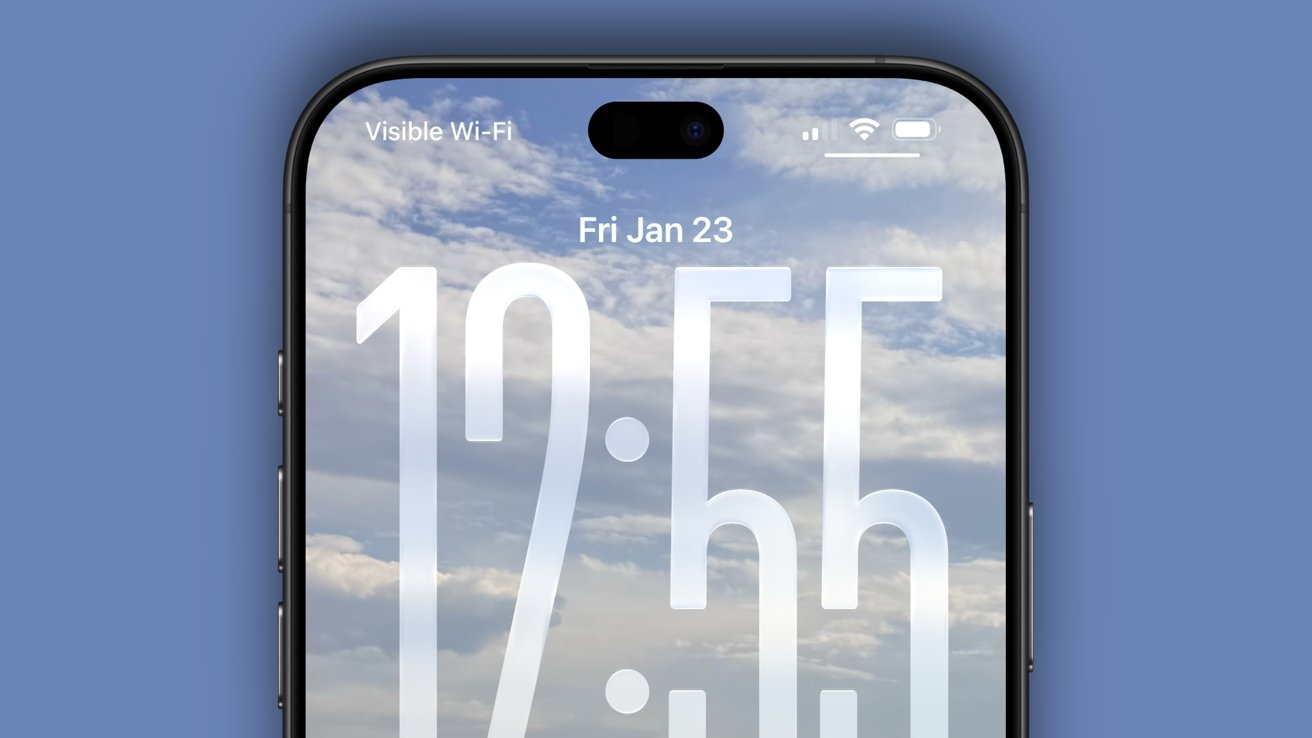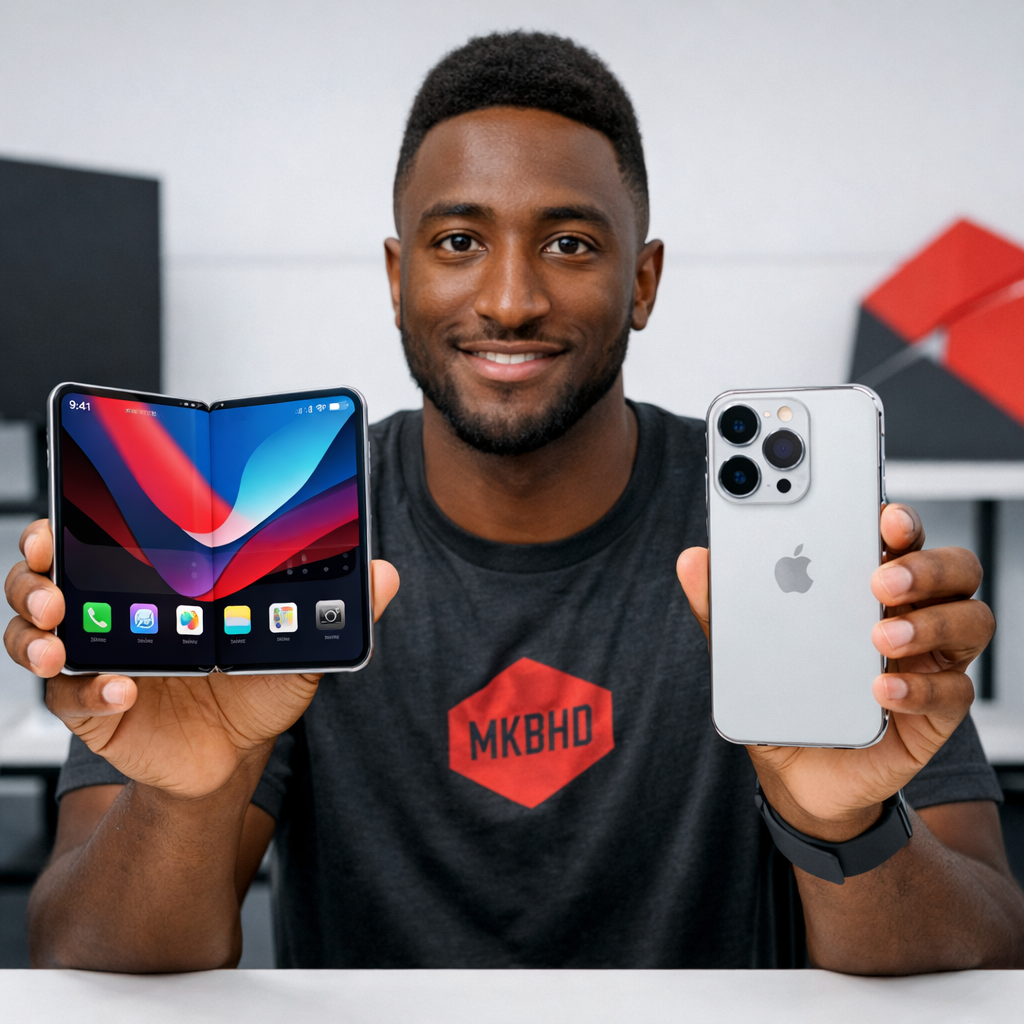
YouTuber Marques Brownlee has officially reverted to using the iPhone 18 Pro after over two weeks with Apple’s foldable iPhone, the Duo. On his latest Waveform podcast, he explained that the Duo’s camera limitations, lack of Face ID, and missing Action button left him longing for the experience his Pro model delivers. Brownlee also noted he’ll miss certain features unique to the Duo, like opening it up for reading or using it in portrait mode.
Why the Foldable Couldn’t Replace the Pro
While the iPhone Duo introduces Apple’s first folding display and several new software modes tailored for its dual screens, it sacrifices some hardware and usability staples that many expect from the flagship line. The Duo lacks a dedicated telephoto lens, does not support Face ID, and doesn’t have the Action button found on the Pro models—a trio of omissions that Brownlee said were dealbreakers.
Even though the Duo shares the A20 Pro chip with the 18 Pro and 18 Pro Max, and packs a large 7.6-inch inner display plus a 5.4-inch cover screen for extra flexibility, the compromises become hard to overlook when the phone is used daily. Users have noted that Touch ID, built into the side button on the Duo, can’t match the speed or natural feel of Face ID.
Features Brownlee Didn’t Leave Behind
Despite the drawbacks, Brownlee admitted the Duo does many things right. The large, foldable display offers a unique reading and multimedia experience. He said he’ll miss the larger screen area for portrait reading and the novelty of unfolding the device in public, even if it sometimes felt performative.
Still, the Pro’s camera system held the edge: better optical zoom, the familiar Face ID unlock, and the more versatile set of hardware buttons pulled him back. For someone who uses their phone heavily for photography and secure access, the trade-offs of the Duo didn’t pay off.
Brownlee also touched briefly on durability concerns. While he didn’t list screen cracking or hinge issues among his primary reasons for switching back, the Duo’s inner display has already shown a tendency in some units to develop a visible line near the hinge shortly after use. Apple has acknowledged these faults and encouraged affected owners to contact support.
Brownlee’s shift back to the 18 Pro underscores a larger question for Apple’s foldable: whether its new design introduces too many compromises for the core Pro audience. For buyers who prize photographic performance, Face ID, and ergonomic features, the 18 Pro remains the safer pick. If the Duo can address the missing hardware in future iterations, it could narrow the gap—but Apple will need to prove it can balance innovation with the essentials.