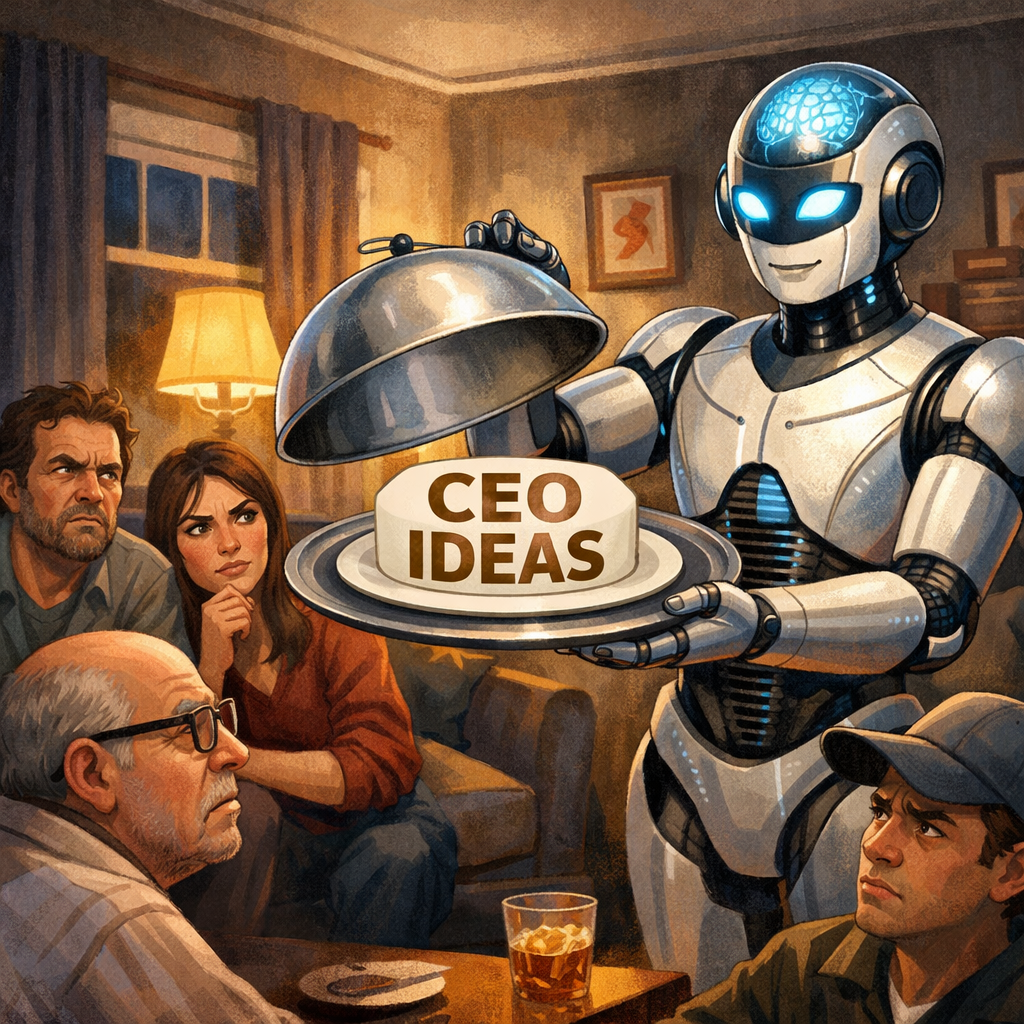
AI leaders have recently sparked criticism by touting artificial intelligence as the ultimate solution for tasks across daily life—tasks that many people don’t see as burdensome or even desirable to outsource. From helping a child’s school presentation to orchestrating romantic encounters through AI avators, these visions highlight a growing disconnect between leadership and everyday user experiences.
Out-of-Touch Futurism or Misaligned Messaging?
Marissa Mayer, CEO of Dazzle AI, drew heat for describing how her photo-powered assistant helped summarize her daughter for a school presentation. Similarly, OpenAI’s Sam Altman suggested that parents use AI-generated podcasts to encapsulate their kids’ profiles during drives. Meta’s Mark Zuckerberg raised eyebrows by predicting greater social acceptability for AI companionship and even romantic relationships mediated by machines. Collectively, these remarks have triggered questions about whether AI execs are building for the future—or simply showcasing personal luxuries as universal solutions.
Both Products and Pitch Have Glitches
In a recent Equity podcast conversation with Amanda Silberling, Sean O’Kane, and Kirsten Korosec, loud voices outside of Silicon Valley expressed that much of the messaging feels alienating. Silberling argues the industry increasingly treats human relationships as inefficiencies to be optimized out, sacrificing authenticity in favor of seamless, machine-mediated interaction. Some critics believe the problem lies in products that genuinely misalign with broad users, while others point to messaging so lofty it bypasses the very people it claims to help.
For many users, booking dinner, planning family events, or coordinating vacation logistics aren’t pressing challenges—they’re life’s small moments. Yet examples from tech leaders are overwhelmingly high-signal tasks typical only in certain lives: frequent travel, constant flight booking, or seamless coordination of AI assistants. For most, these scenarios feel distant or unnecessary. As individuals express backlash—valuing personal agency, imperfection, and human connection—tech leaders appear to be speaking to a future that feels more utopian than reachable.
Surveys back this tension. One study found half of U.S. adults believe AI will hamper their ability to form meaningful relationships, and only a small fraction think artificial tools will make connection easier. Stories across the sector—from people ditching line items like flip phones or choosing CDs just to escape algorithmic influence—point to a cultural countermovement, yearning for experiences less processed and more human.
Meanwhile, critical financial dynamics loom. Anthropic’s IPO is underway just as investor enthusiasm for AI splurges cools. As companies spotlight automated lifestyle conveniences in demos and press, there’s a growing risk that messaging—focused on elite, aspirational use cases—falls flat for mainstream consumers wondering whether AI is for them or if it’s speaking over them.
Why this matters: Tech leaders shaping AI’s story have enormous influence over public perception, regulation, and consumer adoption. If their visions are perceived as detached, they risk alienating users, triggering regulatory backlash, and delaying adoption beyond tech-savvy circles. AI’s next phase won’t just be defined by capabilities—it’ll hinge on cultural relevancy and emotional resonance.