Apple is set to launch Apple Intelligence in China, more than two years after unveiling the feature globally. Starting November 4, the artificial intelligence features will reach Chinese iPhone users through an open beta, bringing tools that have already been available in many other regions. The move comes with regulatory considerations and alterations tailored for the Chinese market.
What’s Arriving in China
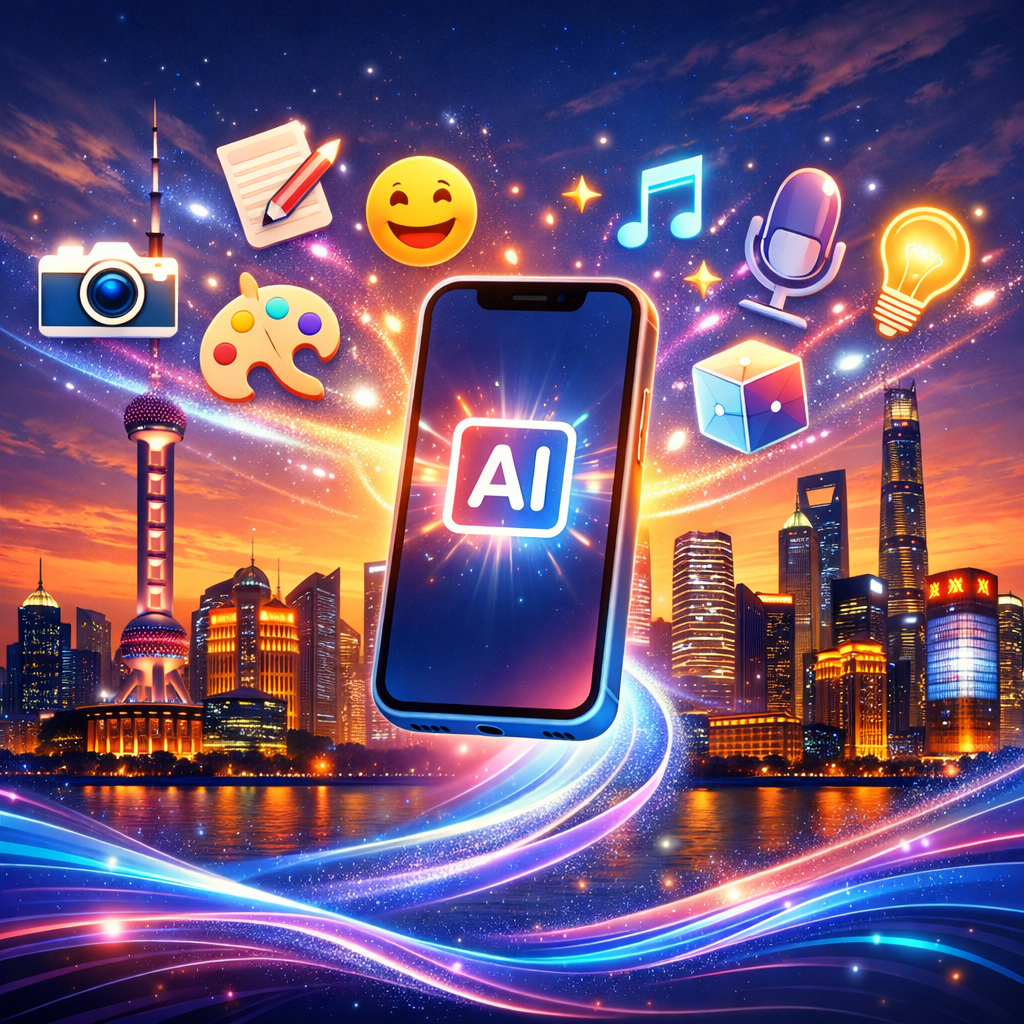
The rollout includes several core AI tools for Photos, such as a feature to remove unwanted items from images, memory videos, and enabling natural language search. Users will gain access to Visual Intelligence via the iPhone camera, along with smart emoji generation. Language and writing tools will allow for proofreading, rewriting, and summarizing text. Additional capabilities include summarizing notifications and emails, Smart Reply for messages, audio transcription in Notes, and call transcription and summary.
However, Siri AI — which has already been extended to international users in other areas during 2026 — will not yet accompany the initial launch. Some AI enhancements in China will involve collaboration: Apple confirmed it’s working with Alibaba to integrate “Qianwen” support within Siri.
Timing, Versions, and Challenges
The China launch opens with an open beta starting November 4. Following that, a developer beta will also begin on the same date, with a full release in December tied to iOS 27.3. Bringing Apple Intelligence into China wasn’t straightforward; the company had to navigate local regulations by partnering with authorized entities to ensure compliance and to source permissible models to power those AI services.
This development marks a shift from when Apple Intelligence introduced its suite of generative models outside China after debuting in 2024. China was one of the major holdout markets until this week’s announcement.
China’s AI regulations have historically required foreign tech firms to use vetted local partners, and Apple’s adherence to this reflects those ongoing legal and regulatory demands.
With support from Alibaba’s Qianwen, China will eventually see Siri’s AI capabilities expand. But for now, most tools will be delivered via updates to iOS outside Siri’s domain.
What this means: Apple’s arrival of Apple Intelligence in China could unlock a large new user base for features that redefine how people interact with AI on their devices. It also shows how Apple is adapting to global regulation, prioritizing local compliance over uniform global rollouts. Going forward, all eyes will be on how quickly Siri AI makes its full debut in China, how well Apple navigates the country’s regulatory environment, and whether this paves the way for more advanced generative AI features in the Chinese market.