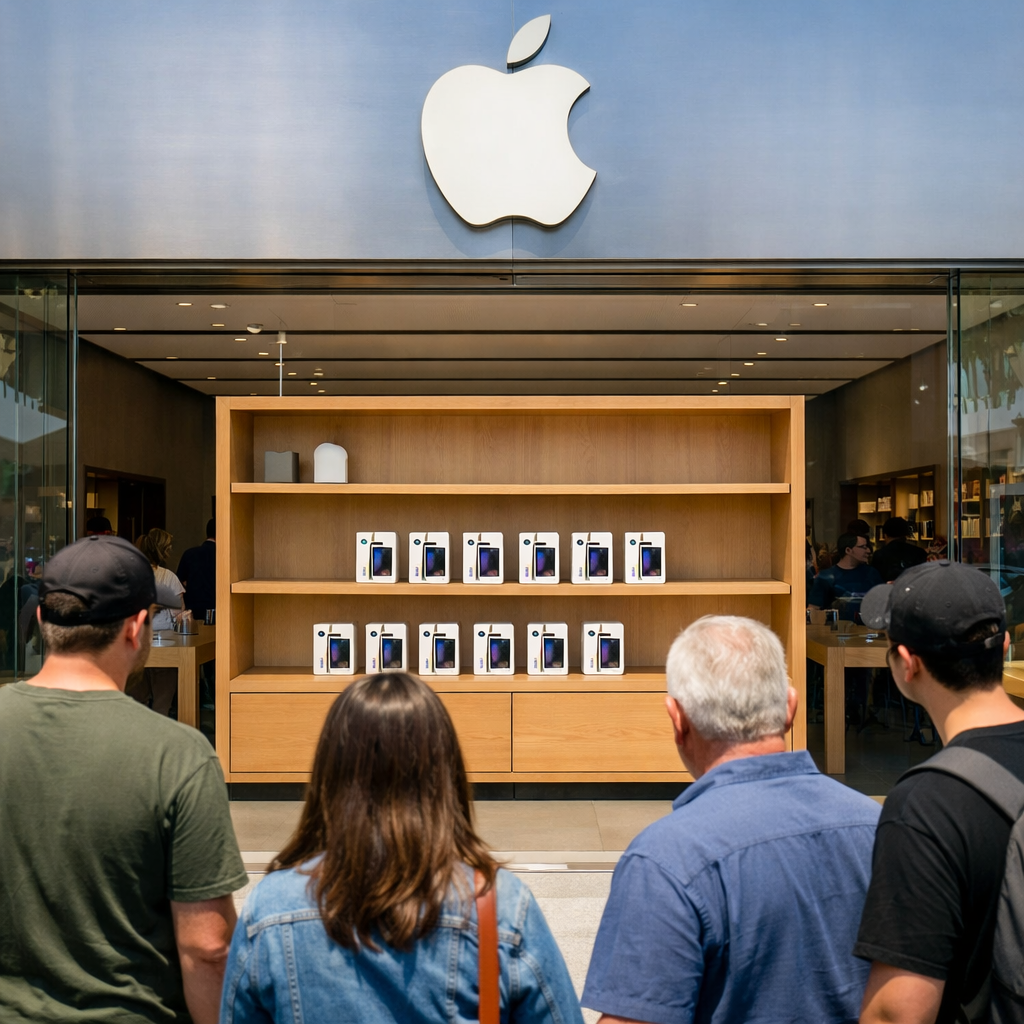
At launch, Apple allocated a striking majority of iPhone Duo units to physical Apple Stores—around 80%—reserving just 20% for online orders, including pickup. Despite this generous allocation to walk-in buyers, demand proved overwhelming, leaving many locations quickly sold out. The limited stock strategy made pre-orders disappear almost instantly.
How Many Were in Stores Really?
Though Apple never released exact sales numbers, reports suggest individual stores received modest quantities: typical outlets may have seen about 50 units, while flagship locations possibly got up to 250. By comparison, previous releases like the iPhone 18 Pro or models in the iPhone X generation often got much larger stock pallets—hundreds or even thousands of units. Such small numbers make Apple’s 80/20 split feel dramatic in practical terms.
The majority of stock was funneled to stores for walk-in customers rather than reserved for online orders. The result: pre-orders were filled so fast that no one could blink. Even pickup online—essentially reserving units online but collecting in-store—was counted under the slim 20% share.
Why the Unusual Distribution?
Apple cited the iPhone Duo’s “extraordinary” demand and has reportedly pushed its manufacturing partner, Foxconn, to scale up production across its global facilities in response. But industry analysts say the decision to tilt inventory toward stores is rare—and possibly risky. Most product launches balance online and offline channels more evenly to manage both demand and logistics.
Company spokespeople declined to provide grounded figures, despite repeated requests. Numbers never showed up. What did emerge is a pattern: very constrained supply despite the apparent attempt to satisfy in-person buyers. Even stores that received stock found it insufficient to meet demand.
In Stores vs. Online: The User Experience
Walk-in shoppers struggled. Smaller stores quickly ran dry. Flagship locations, despite higher stock, saw lines and shortages. Online shoppers didn’t fare better—pre-orders were gone almost immediately. The experience varied widely depending on location, with some customers having a better chance if they could arrive in person early.
The iPhone Duo rollout illustrates an ongoing tension for Apple between supporting its brick-and-mortar retail presence and managing the convenience-driven expectations of its online customers. Factory constraints, production scaling, and logistics all play into the final mix.
What to Watch For Next: Whether Apple can match demand with increased production from Foxconn—and how this allocation strategy will evolve for future launches. Will future iPhones keep favoring in-store stock so heavily? That’s a trend worth monitoring.