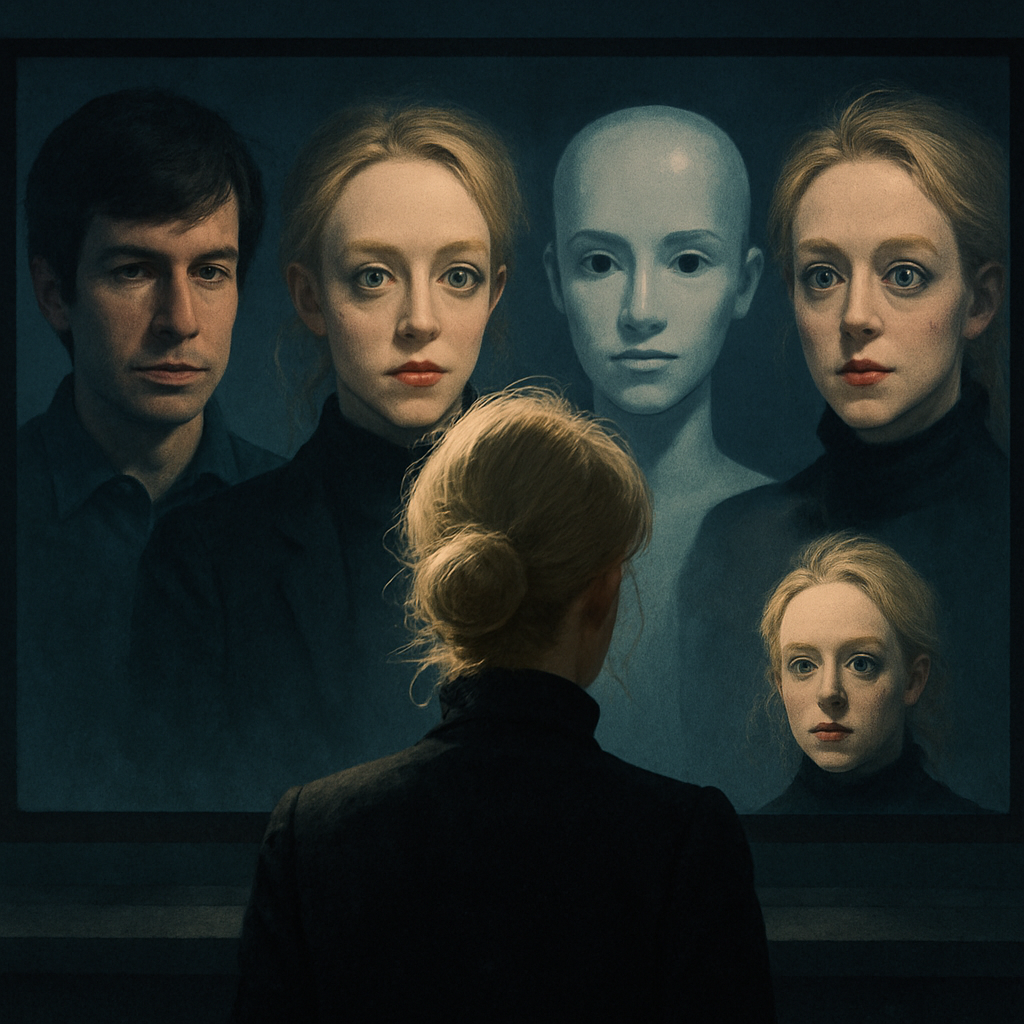
It’s tempting to view Elizabeth Holmes as the defining figure in high-profile fraud — before Nathan Fielder stepped in. In the new documentary You Can See Everything, Fielder joins forces with director Lance Oppenheim to attempt the nearly impossible: to figure out who Holmes really is. Beginning filming in the final weeks before Holmes surrendered to serve her prison sentence, Fielder probes the personas she’s built — and those constructed around her.
The Setup: Seeing who we thought we knew
Holmes and her husband reached out to a major studio, hoping to host a film crew in Holmes’ final moments of freedom, aiming to reshape her story. Fielder, known for blurring truth and fiction, pounces on the opportunity. His past work — especially Nathan for You — used comedic interventions and awkward encounters to ask uncomfortable questions. Now he turns that bracing mix back on Holmes, forcing us to choose: where does fact stop and performance begin?
Holmes insists she never broke the law, and keeps pointing out that her public image — the villain, the fraudster, the made-up character — is not who she truly is. Fielder presses against those claims, asking her to produce proof, offering up the idea of misattributed quotes and distorted reporting as evidence of the personas she’s been assigned.
Layered performances: who’s acting and why it matters
A major thread in the film: the ways people close to Holmes — her husband, friends, even public portrayals — act as signatories to her myth. Her husband builds a full-scale AI avatar of her — a screen presence wheeled into family dinner — inviting the audience to question whether this is comfort or further fiction. Meanwhile, actress Amanda Seyfried, known from the series The Dropout, is brought in not just as actor but investigator, confronting Holmes on how the former’s portrayal has affected her life.
In one scene, Holmes breaks down while watching a reenactment of her life, unable to watch a scene involving her former business partner. She weeps, not just at what was said or filmed, but at how layered the truth has become. Fielder, after Holmes enters prison, struggles to capture the precise language of a conversation — words that carry legal and emotional weight. Seyfried then steps into Holmes’ shoes in mock reenactments, reading scripts from memory, pushing the idea that even portrayal is performance — perhaps as real as “reality” itself.
Evans, Holmes’ husband, also emerges as performer. Some moments suggest he might be deliberately playing the bad guy: deflecting criticism, feeding sympathy for Holmes, or manipulating how the audience sees her. The film leaves it unclear whether he’s defending her, indicting her, or simply crafting his own persona in this high-stakes public narrative.
What You Can See Everything makes painfully clear is this: Holmes isn’t the only one performing. Everyone involved — the film crew, the interviewers, even the legal system — becomes part of a chorus of performances, each with stakes and each wielding a narrative power.
At its core, this documentary forces a reckoning with truth in the age of persona. Holmes built a legend, yes — but Fielder’s film reminds us just how much of modern life is performed. The uncomfortable question isn’t just whether Holmes’ breaches were criminal, but how much her entire life, and ours, is mediated through screens, artifice, and narrative framing. And if everyone is acting, what do we lose when the truth is edited out?