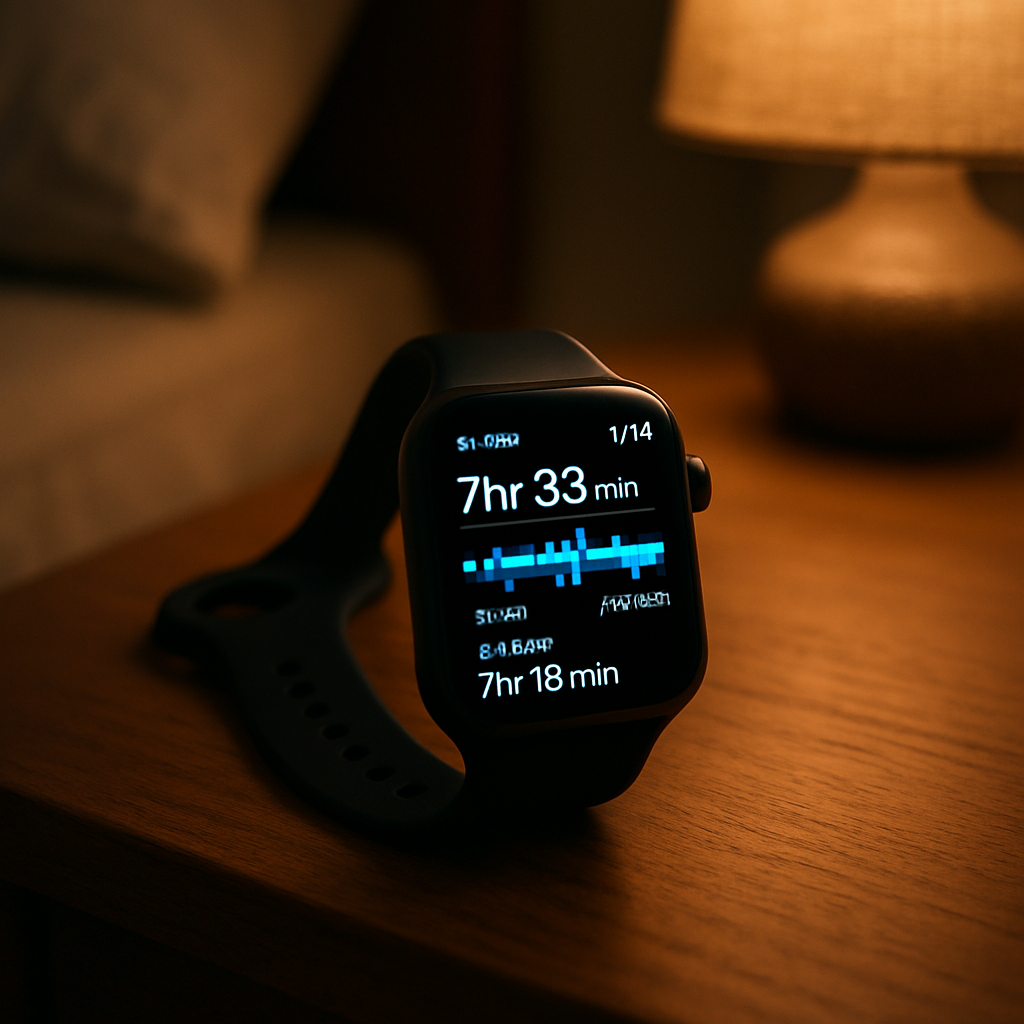
Apple has just activated a new health feature in mainland China: sleep apnea notifications on the Apple Watch. Endorsed by China’s National Medical Products Administration, it’s now available on Series 9, Ultra 2, SE 3, and later models.
How It Works
Using the accelerometer, these models track breathing disruptions while the wearer sleeps. The watch reviews sleep data over 30-day intervals, seeking indicators of moderate to severe sleep apnea. When the watch identifies such signals, it sends a notification to the user. Additionally, it provides an option to export a PDF report that can be taken to a healthcare provider for diagnosis and treatment consideration.
What This Means in China
The timing is notable: this marks the first time the feature has gained official regulatory clearance in China. It aligns with Apple’s broader push to expand its health-related capabilities into markets with strict medical device scrutiny. For users, it means an added layer of health monitoring—especially relevant in a region where sleep disorders are gaining awareness.
While the technology doesn’t replace medical advice or diagnostic tools, the watch can facilitate early detection, which could lead to earlier intervention for those at risk. Because the analysis is monthly and based on motion data, it’s not as precise as a clinical sleep study; but it could act as a wake-up alert—both literally and figuratively—for those unaware of their risk.
Behind this update lies a broader trend: wearables becoming tools for health detection and preventive care, not just fitness tracking. Apple’s obtaining approval for features like this underscores how regulators are adapting—and sometimes creeping closer—to medical oversight of consumer electronics. The exportable reports bridge the gap between personal tracking and professional medical use.
For users in China who own a compatible Apple Watch, activation should be automatic through a recent software update; they’ll want to check their Health settings if they don’t yet see notifications. Globally, this may hint at upcoming approvals in other regions still awaiting similar health-feature approvals.
Closing Thoughts: This rollout reflects a deepening intersection of consumer tech and medical regulation. As Apple stacks health capabilities into devices like the Watch, regulators’ scrutiny and approval processes become pivotal in where—and how—features can go live. What to watch next: how Apple navigates regulatory diversity globally, and whether future Watch health tools—like glucose monitoring, stress detection, or blood pressure estimation—can achieve similar approvals in broader markets. Also worth tracking is how accuracy and privacy evolve as these sleep-based features proliferate.