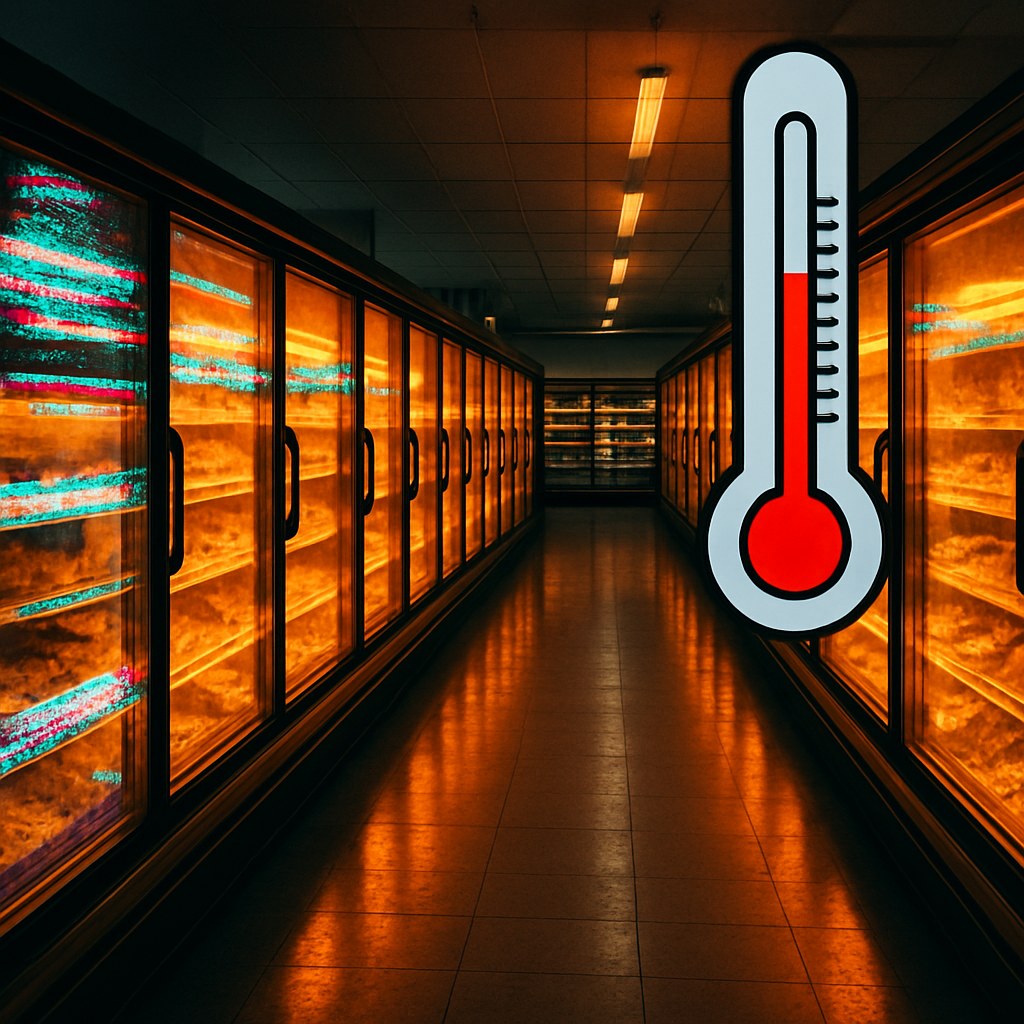
French grocery chains are battling a severe cybersecurity breach after attackers remotely manipulated refrigeration-control systems, causing freezers and chilled cabinets to spike to an estimated 50 °C instead of cooling products. The incident, impacting stores from Intermarché, E.Leclerc, and Système U, unfolded overnight between October 11 and 12. The systems reportedly targeted are manufactured by Danfoss, a Danish industrial technology provider. Its controls—used for freezers, meat displays, dairy units, compressors, and temperature alarms—were allegedly adjusted to trigger constant defrosting rather than cooling. The result: food safety compromised as fresh and frozen products were exposed to dangerously high temperatures.
Retailers have been forced to assess spoilage and discard items that no longer meet food-safety standards. An estimated hundreds of thousands of euros in losses may be at stake for some locations, with preliminary reports indicating around 150 Intermarché branches may have been hit.
How the Attack Happened & Vulnerability Details
Preliminary information suggests the defrost feature in the software—intended to clear ice buildup—was misused to run continuously or be set to unsafe values. In such configurations, the cooling systems fail to maintain low enough temperatures to preserve perishables. The exact entry point or exploit remains unverified: it’s unclear whether obsolete software, weak authentication, or a specific vulnerability was leveraged. No responsible party has been publicly named.
This isn’t an isolated risk: earlier research revealed 23 flaws in Copeland XWEB Pro refrigeration controllers, including the ability to adjust temperature readings or silently disable cooling. Though these issues involve a different brand than Danfoss, they underline the potential disaster when OT (operational technology) systems—including those managing refrigeration—are insecure.
Response & What Needs to Change
Leaders at Coopérative U confirmed that several of their stores have refrigeration systems under cybercriminal control. They’ve engaged refrigeration specialists to help restore safe cooling conditions and are investigating the root cause. Organizations using Danfoss systems—or similar industrial cooling gear—are being urged to verify their software versions, ensure remote access is strictly secured, and check vendor or third-party accounts.
Key recommendations include using VPNs, applying multi-factor authentication, and restricting remote-access points so they aren’t directly exposed to the internet. Also, refrigeration networks should be isolated from point-of-sale, guest Wi-Fi, and corporate systems. Monitoring for abnormal behavior—such as unexpected defrost cycles, temperature spikes, or out-of-hours configuration changes—should trigger alerts.
This case demonstrates how OT breaches aren’t just data risks—they can translate into physical, health, and financial damage. Changes in software settings turned vital refrigeration units into heat sources, resulting in widespread food spoilage and major financial losses.
Why this matters: The attack shows that operational technology—long seen as separate from cybersecurity—has become a frontline issue. As retailers lean heavily on connected refrigeration for supply chains, the potential for abuse is growing. This event should serve as a wake-up call: outdated software, lax network segmentation, and exposed remote access are flashes pointing straight at what attackers exploit. Watch for how deeply the breach penetrates—and whether regulatory bodies or public health agencies demand stricter controls for industrial refrigeration security.