Apple’s Executive Chair Tim Cook has kicked off his third trip to China in 2026, this time emphasizing the company’s intention to deepen its ties in the country by expanding manufacturing, sales, and local engagement. While he no longer holds the CEO role, Cook is leaning into his political and strategic mandate as executive chair, making clear that Apple has big plans for growth in China.
Strengthening Ties in Guangdong
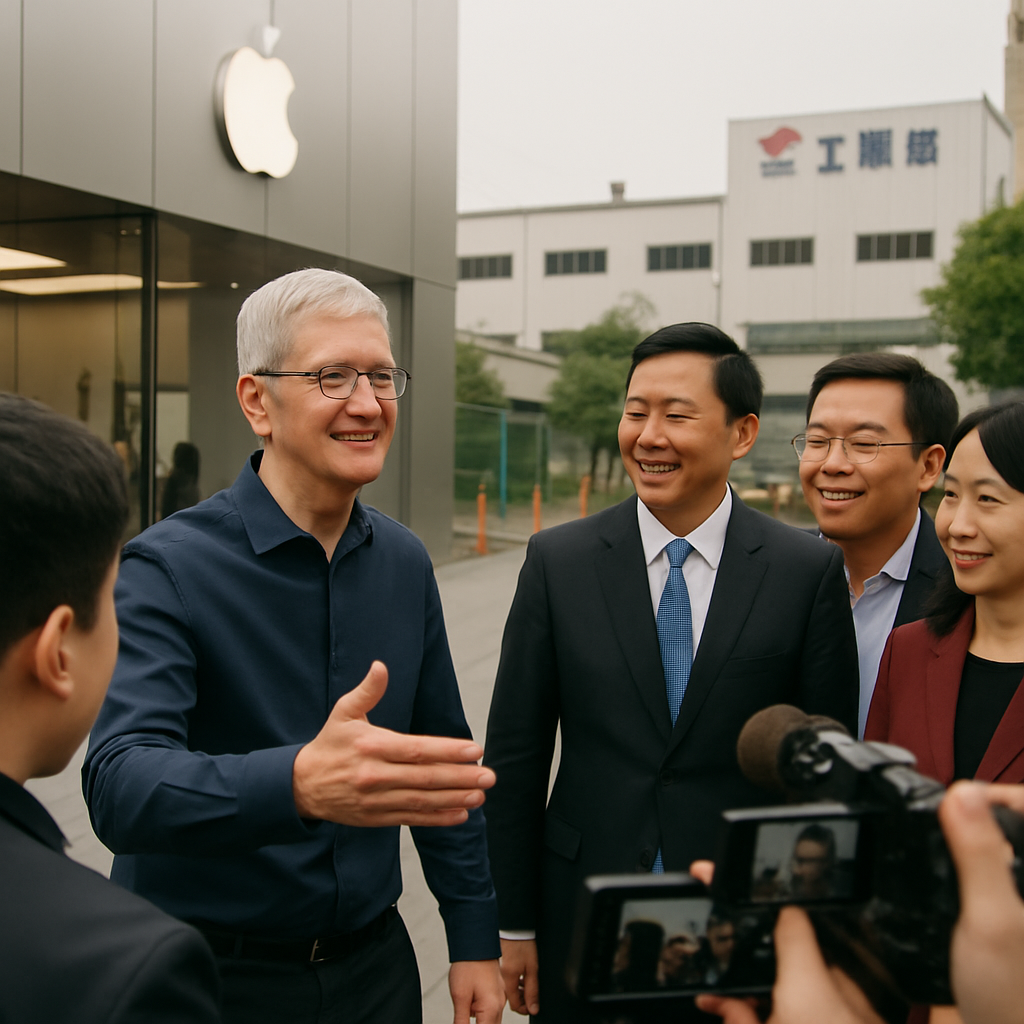
One stop on Cook’s visit was Guangdong, a province heavily populated with Apple’s suppliers and manufacturing partners. There, he met with Governor Meng Fanli to discuss Apple’s future commitments in the region. Cook expressed interest in enhancing smart manufacturing efforts and broadening Apple’s sales infrastructure across Guangdong. Meng welcomed the outreach, committing to foster what he described as a “first-class business environment” to support Apple’s expanded presence.
High-Profile Engagements & Symbolism
Outside the political meetings, Cook also made public appearances aimed at reinforcing Apple’s cultural and consumer footprint. In Guangzhou, he visited an Apple Store and watched a local content creator shoot a martial arts video with an iPhone 18 Pro—an undeniable nod to Apple’s flagship hardware being used in everyday creative storytelling. He also posted a warm message on Weibo, underscoring his personal connection to the country.
Why This Trip Matters
Though Cook visited China twice already in 2026—as CEO in March for Apple’s 50th anniversary, and in May as part of a U.S. business delegation—the latest journey marks his first as executive chair. That’s significant, as it signals a transition in how Apple is conducting its external affairs. Whereas earlier visits centered more around celebration and diplomacy, this one places more emphasis on concrete business strategy.
Cook’s renewed focus on China comes amid global manufacturing shifts and increasing geopolitical scrutiny. For Apple, strengthening manufacturing pipelines in Guangdong helps buffer against potential supply chain disruptions while maintaining an established ecosystem. Meanwhile, reinforcing sales channels directly furthers revenue goals in one of Apple’s biggest markets.
This visit also highlights the evolving role of an executive chair in large tech firms—not just ceremonial, but active, hands-on in strategy, diplomacy, and regional operations.
In short, this isn’t a status ceremony—it’s a play for influence, operations, and long-term stability in China, arguably more vital now than ever for Apple’s global ambitions. Keep an eye on how Apple’s expanded sales networks and manufacturing upgrades in Guangdong develop—moves there could ripple across its global supply chain.