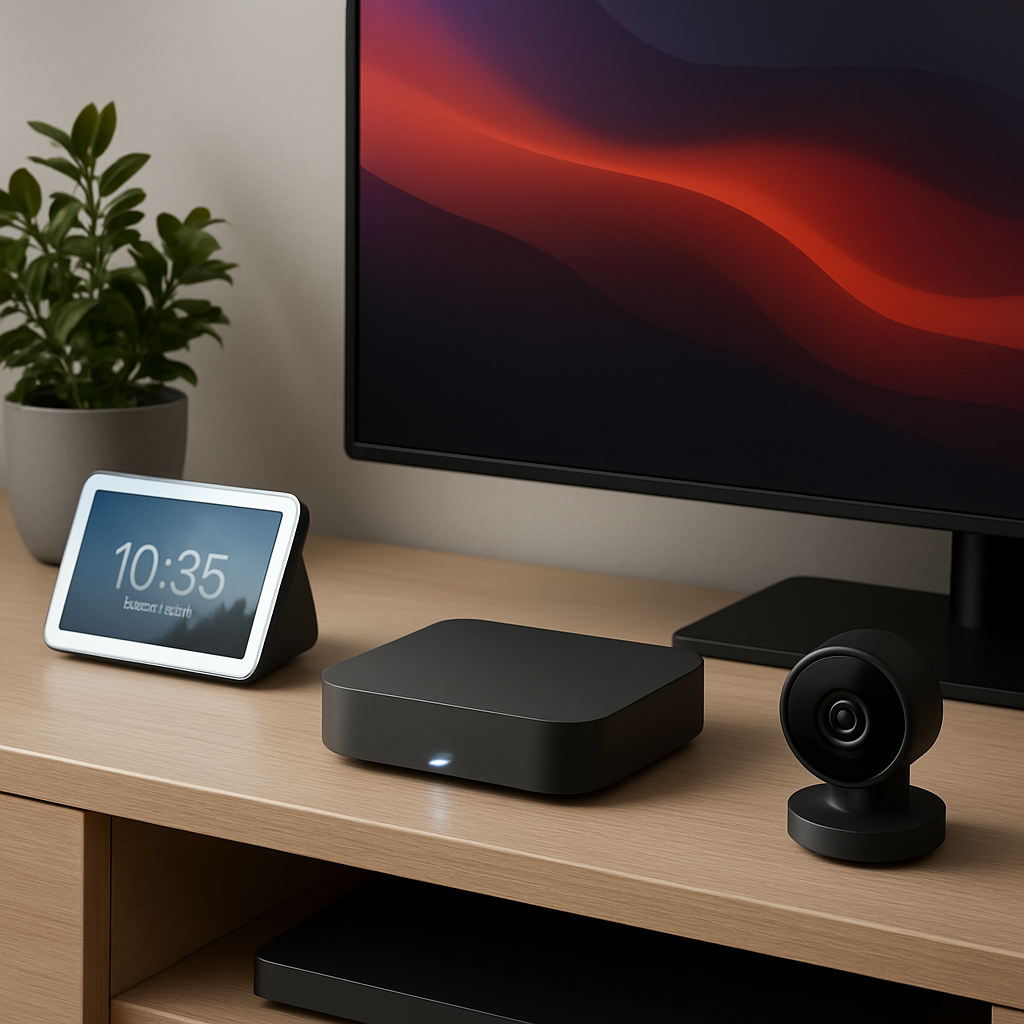
Google is preparing to launch a new TV Streamer, equipped with far-field microphones, presence detection, and an updated remote. While the upgrade may appear modest, it shines a light on the larger cracks showing in Google’s smart home hardware ambitions. The company has done notable work—but critical elements of its first-party ecosystem seem to be falling behind.
Where Google’s Smart Home Hardware Stands Now
In recent years Google’s smart home releases have been uneven. The 2021 reboot of its Nest camera line drew interest—but updates slowed after that. More recently, the wired Nest cameras did get improved to 2K resolution, but the battery-powered models remained largely unchanged. Meanwhile, the Nest Hub Max has not been updated for some time—despite becoming one of the pillar devices in many connected homes. Earlier this year Google released some audio gear and streaming gadgets, but the overall hardware roadmap appears unfocused and unpredictable.
The upcoming TV Streamer seems to carry some valuable features, especially for voice and presence detection. Yet, observers point out that many of the other products in the lineup are more overdue for attention: the Nest Hub Max among them, and battery-powered cameras that don’t yet match their wired counterparts. The additions to the TV Streamer feel incremental rather than transformative—useful, but not game-changing.
Facing Competitive Pressure & Ecosystem Gaps
Google’s smart home ecosystem has seen growth in third-party device compatibility—locks, alarms, cameras built by other brands—but the integrations often lack the tightness found in platform-owner hardware. In comparison, Apple is pushing deeper into the space: they’re launching the “HomePad” smart display, and partnering with LG for closely integrated hardware that ties into their smart home platform. That sort of collaboration and cohesion is something many feel Google should match more aggressively.
While some progress is being made—work with companies like Yale, First Alert, and certain camera makers helps—critics say Google’s focus should shift toward its own hardware pieces that define the user experience. The delay on updating big signature items like the Nest Hub Max, and improving battery-powered camera quality, suggests Google’s priorities may be misaligned. A refreshed TV Streamer is welcome, but many believe it’s not the hardware most deserving right now.
Overall, Google is not failing, but its smart home strategy feels caught between promise and execution. There’s a foundation for a strong ecosystem, but key hardware pieces are aging, and its product rollout feels reactive rather than visionary.
What this means is that Google’s upcoming TV Streamer will likely receive praise for its added features—but it won’t silence concern about what’s missing elsewhere. The smart home race is heating up, and competitors aren’t waiting. For Google, aligning first-party device prestige with third-party breadth, and deciding which devices deserve priority updates, will be crucial in staying relevant in the connected home market.