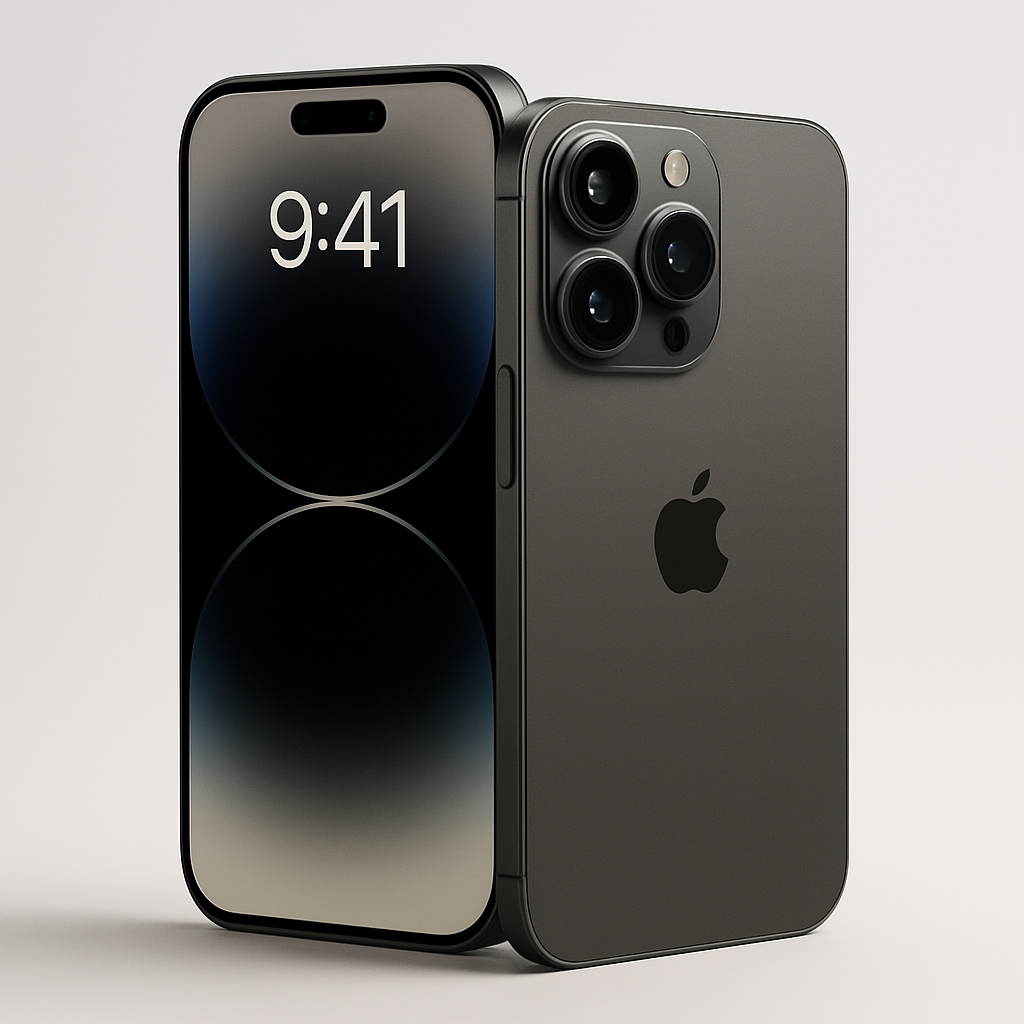
Apple has instructed its suppliers to reduce production of components for the iPhone 18 Pro lineup, after demand reportedly fell short of expectations amid steep price increases. The move reportedly affects component orders for October, which have been scaled back by at least 15% relative to what was initially requested.
Why demand cooled
The iPhone 18 Pro and Pro Max start at $1,199 and $1,299 respectively—each $100 more than their predecessors. According to Apple, rising memory-chip costs, driven by increased demand for AI technologies, are a major factor behind the price hikes seen not just in its iPhones but also across MacBooks, iPads, and other products.
The report notes demand has softened between late August and October. Some of that slack may stem from Apple’s shift in its release cadence—from announcing all major phones at once to staggering launches. Under the new strategy, the base iPhone 18, a lower-cost iPhone 18e, and the super-thin iPhone Air 2 are expected to arrive in spring 2027, leaving the iPhone 18 Pro variants carrying the burden through the current cycle.
Upgrade plans altered—and memory speculation
Originally, the iPhone 18 Pro models were reported to be slated for 16GB of RAM, but in the end, Apple stuck with 12GB—matching last year’s Pro and Pro Max models. The speculation is that the high cost of RAM factored into this decision.
The demand slowdown appears also to be affecting Apple’s supply chain decisions in real time. Component order cuts in October reflect a precautionary approach as Apple balances elevated supply costs with actual market appetite.
Apple’s move to reduce orders isn’t just about financial discipline—it highlights tensions between innovation, elevated hardware costs, and consumer willingness to pay. The company’s new split-launch strategy could spread risk over a longer period, but only time will tell whether this staggered rollout helps cushion demand shocks or fractures excitement among buyers accustomed to annual flagship events. Keep an eye on how the pricing of future iPhone 18 variants evolves—and whether Apple adjusts specs or supply again in response.