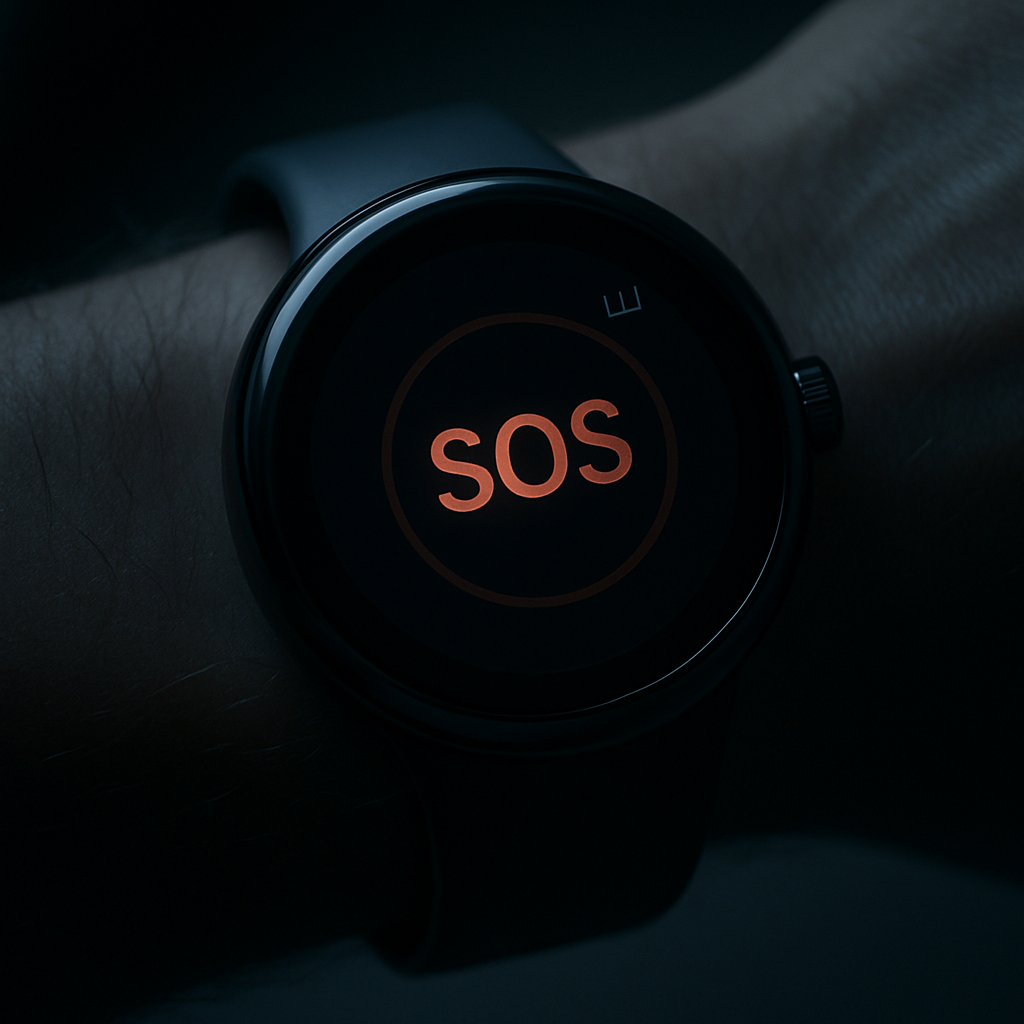
Google is discontinuing the Safety Signal feature on Pixel Watch LTE models, effective December 12, 2026. This change removes the ability for eligible Pixel Watches to engage Emergency SOS or Safety Check without a phone or mobile plan—features that until now relied on a fallback LTE connection called Safety Signal. Users whose experience depends on this setup will need a phone nearby or an active internet connection to access Google’s emergency tools.
What’s Changing for Pixel Watch Users
The Safety Signal system has allowed Pixel Watch users—specifically LTE variants of the Pixel Watch 2 and 3—to summon help even when there’s no phone or active cellular plan tied to the watch. It served as a lifeline in dire situations by activating emergency services via LTE. Starting December, this fallback LTE service goes away. All emergency tools like Safety Check, Emergency SOS, Emergency Sharing, and Fall Detection will still work—but only via a phone or another internet connection.
Google is giving users a 30-day notice ahead of the December 12 shutdown. Those subscribed to Google Health Premium will receive an email reminding them about the end of Safety Signal service. Until then, LTE fallback remains functional.
Why It Matters
Originally, Safety Signal was a stand-in for emergency connectivity when normal channels failed. It ensured that even without Bluetooth, a mobile plan, or Wi-Fi, users could still request help. With Google pulling the plug, those who relied on this feature will now need to plan differently—either by keeping their phone nearby or maintaining some kind of internet access. For people using LTE-only models of Pixel Watch 2 or 3, this signifies a substantial reduction in emergency readiness.
Google hasn’t completely eliminated life-saving tools—just the LTE fallback layer. Safety Check, Fall Detection, Emergency Sharing, and Emergency SOS will still be available when a connection is present. But that condition removes much of the independence that tied these features to a smartwatch without external devices.
For those considering the bigger picture: this seems to be another example of tech companies reevaluating support for auxiliary features that are expensive or complex to maintain, especially those overlapping with premium services. Google appears to be steering more users toward Google Health Premium with this shift, consolidating emergency capabilities through connected ecosystems rather than standalone watch-based solutions.