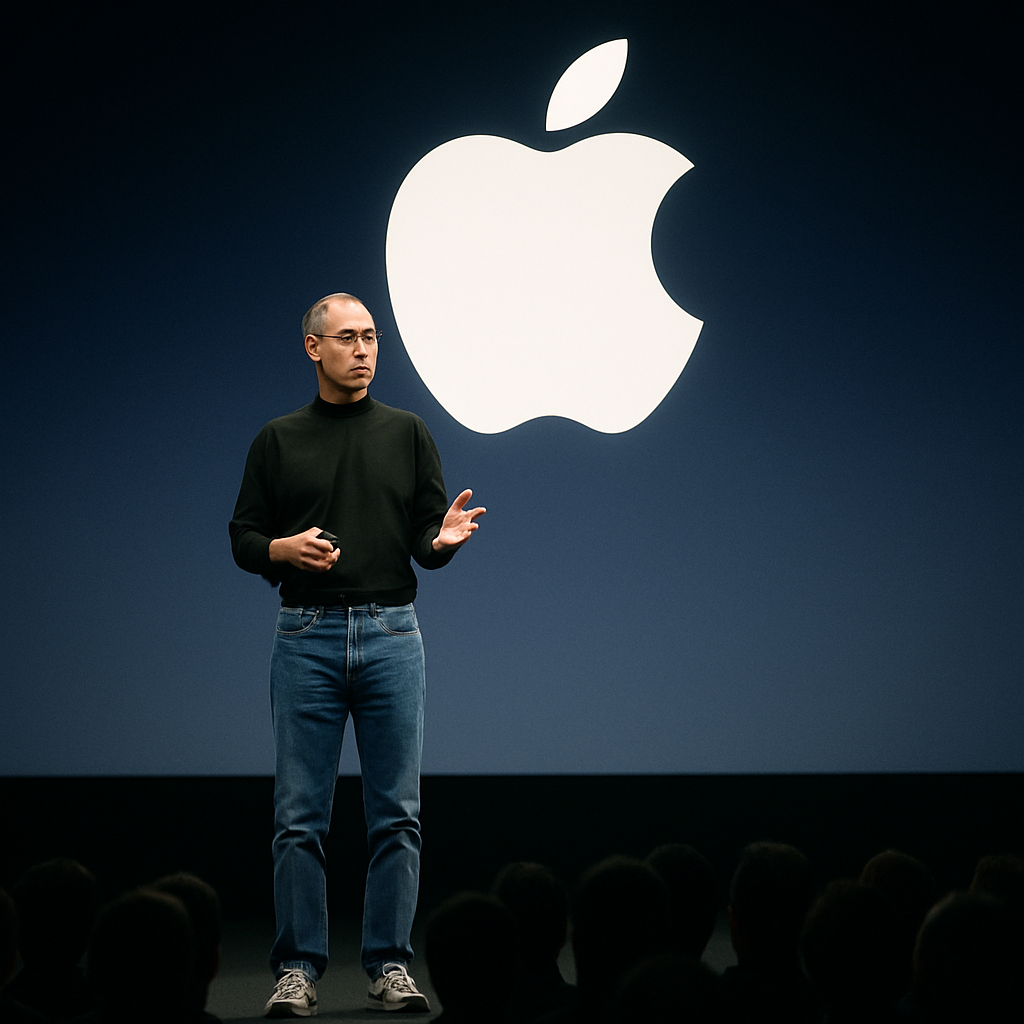
Steve Jobs didn’t simply introduce new gadgets—he crafted compelling narratives. A recent video from the Art of Storytelling YouTube channel takes a deep dive into how Jobs built stories around his product launches and kept refining that skill over his lifetime.
Throughout his career, from the earliest Apple product unveilings to his final keynote addresses, Jobs employed a consistent approach to presentation: teasing what was to come, clarifying what it meant for everyday users, and then inspiring how it changed lives. Rather than opening with specs, he often began with problems—both recognizable and emotional—before presenting Apple’s solutions as inevitable.
Building Drama Without Drama
Jobs understood timing and pacing like few others. His presentations featured pauses that made audiences lean forward. He used comparisons—this old versus that new—making innovations feel both concrete and monumental. His stagecraft wasn’t about spectacle alone; it was about guiding attention and emotion. When the crowd gasped at a thinner design or marveled at battery life, it wasn’t just about the product—it was about the narrative leading them there.
In the video, we see a pattern: every major Apple launch under Jobs started with something users wanted, but didn’t yet know they needed. The language moved from deficit—what they didn’t have—to abundance—what was possible. Words like “amazing,” “magical,” and “revolutionary” were deployed sparingly but effectively, elevating what might have been just another phone or computer into an aspiration.
Rewriting the Rules of Product Launches
Jobs didn’t treat product unveilings as mere specs sessions. Features were woven into the larger story: of change, ambition, and vision. Rather than listing specs, he spotlighted what users could do—for example, shoot better photos, carry less weight, save time—and then retrofitted features into these outcomes. Design, battery, software—they weren’t separate talking points but pieces of a puzzle showing how life could be better.
His final messages were always clear: this product matters not just because it exists, but because it changes you. That insistence on consequences—on impact—elevated Jobs’ presentations from pitches to storytelling masterpieces. His legacy in this regard is why so many current keynotes fall short: they mimic style without grasping substance.
Steve Jobs’ storytelling wasn’t an afterthought; it was the backbone. His showmanship had meaning, his vocabulary was chosen for resonance, and his structure felt both familiar and surprising.
Why this matters: In a world awash with product launches, Jobs’ model still serves as a master class. For marketers, founders, or anyone speaking on stage, the real lesson isn’t in emulation—it’s in understanding the story arc. Start with the problem, position your solution, craft the journey, and let people see themselves in it.يمين