Almost every organization using AI is flying blind—shoving tools into service without first auditing the knowledge sources behind them. That’s the picture MacPaw paints in its new “AI at Work” report, and now the company is launching a platform designed to solve this problem.
Survey finds widespread trust issues around AI in the workplace
MacPaw’s latest research reveals that 90% of companies employing internal AI systems haven’t properly vetted their knowledge bases. Because of this gap, AI tools end up drawing on outdated documents, redundant policies, or even dusty Slack threads—leading to misinformation and risk for employees who rely on them. More strikingly, six out of ten IT leaders believe there’s a major mismatch between their executives’ expectations of what AI can do and the safe, accurate output their teams are actually delivering.
Leebry: MacPaw’s answer to enterprise chaos
Born out of an internal MacPaw hackathon in 2025, Leebry was created to cut down on duplicate support requests at the company—many of which asked questions that already had answers documented somewhere. An initial Slack bot reduced about 30% of level 1 help tickets by directing employees to existing answers. That success led to the decision to build Leebry into a full-blown solution.
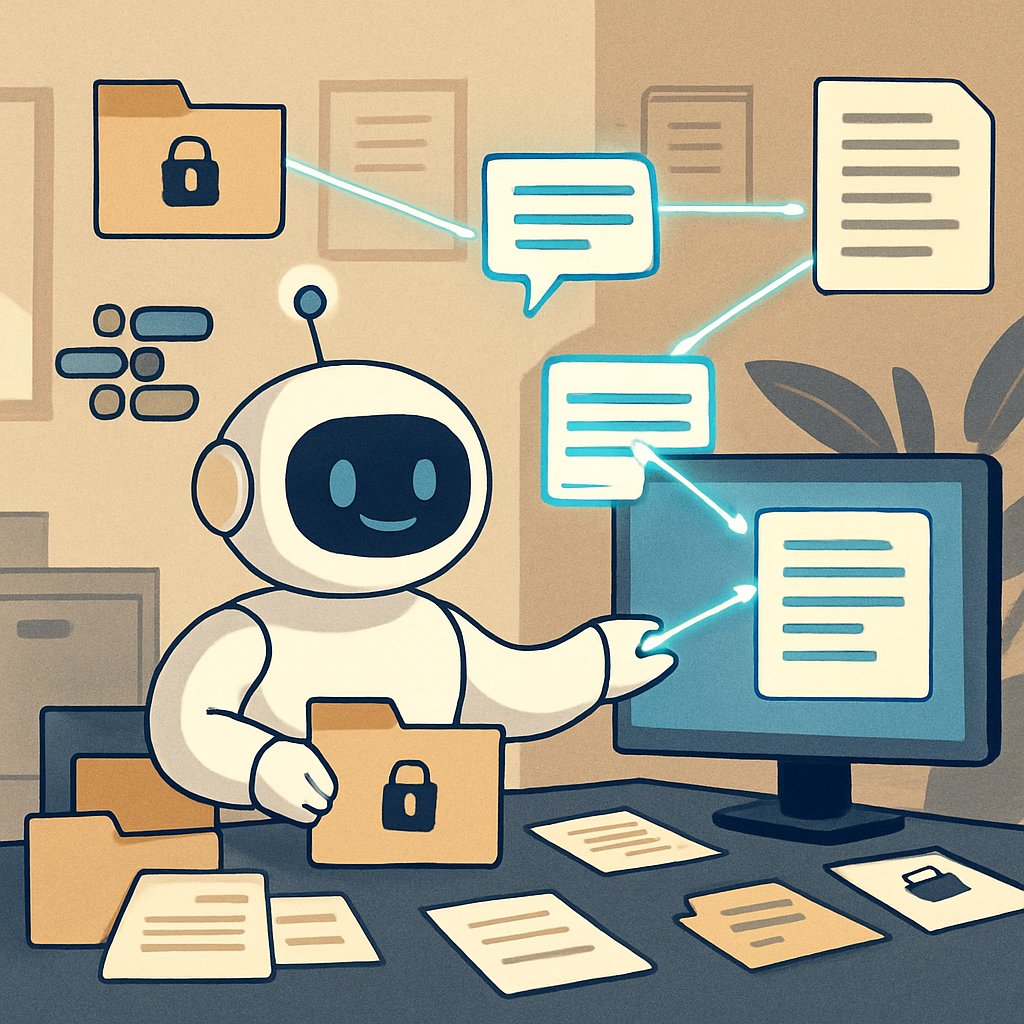
Today, Leebry automates basic IT tasks like level 1 ticket resolution, manages onboarding/offboarding and internal role changes, and answers employee queries across tools like Slack and intranet portals. Every response links back to its original documentation so users can verify sources and flag outdated info. Leebry also respects user permissions—employees only see information they’re cleared for—and includes an admin-controlled server for device management tasks so AI agents can act without compromising oversight.
This level of automation is especially appealing for small and medium businesses that may not have dedicated identity access management teams. Automating access revocation, role transitions, and departure cleanups can eliminate manual errors and delays that plague many organizations.
While MacPaw’s background is in consumer tools—CleanMyMac being its flagship app—Leebry was built first to solve its own internal pains rather than to chase profits. Because of that internal-first origin, the product is grounded in real use cases rather than theoretical enterprise demand.
Organizations everywhere tend to scatter knowledge in various places—Slack, intranets, file servers, archaic documents—and often waste time rediscovering what’s already there. Leebry aims to unite that fragmented knowledge into a trustworthy, permission-aware layer that helps both users and support teams.
For IT leaders looking to deploy AI responsibly, Leebry offers a template: audit your knowledge bases; automate what’s repetitive; link responses to their sources; build guardrails; and ensure access control. Whether Leebry becomes the go-to enterprise tool or simply a warning bell for what happens without proper internal AI hygiene, the message is clear: AI can only be as good as the information it’s built on.
What this means going forward: The trust gap between what executives expect and what IT can deliver won’t close without proper infrastructure. For companies betting on AI, that means investing in tools that bring transparency, oversight, and verification—not just flashy promises. Keep an eye on how Leebry evolves, especially in real-world rollouts, partnerships, and integrations. If it delivers, it could set a new standard for internal AI tools.